Kategorie: Personal development

  • Twin Flames and Destiny: The Mystical Dance of Two Souls

    Twin Flames and Destiny: The Mystical Dance of Two Souls

    Understanding Twin Flames: A Unique Soul Connection

    1. What Are Twin Flames?
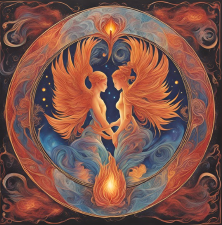
    Twin flames are often described as two parts of a single soul that have been split and reside in two different individuals. Unlike soul mates, who are deeply connected souls that come together for mutual growth and companionship, twin flames represent a singular soul that has been divided, with each half embarking on its own journey until they are ready to reunite. This reunion is believed to be intense, transformative, and often tumultuous, as each twin flame reflects the other’s strengths, weaknesses, and unresolved issues.

    2. The Purpose of Twin Flames
    The purpose of the twin flame relationship goes beyond the personal. It is not just about romantic love or companionship; rather, it is about spiritual growth, healing, and fulfilling a higher mission. Twin flames are believed to come together to achieve something significant that serves not only their personal evolution but also contributes to the greater good of humanity. Their union is seen as a powerful force that can bring about change, enlightenment, and spiritual awakening.

    3. The Signs of a Twin Flame Connection
    Many people who believe they have met their twin flame describe an overwhelming sense of familiarity, as if they have known each other for lifetimes. This connection is often characterized by a magnetic pull, intense emotions, and a deep, unspoken understanding. However, the twin flame relationship is also marked by challenges and conflicts, as the intense connection forces both individuals to confront their deepest fears, insecurities, and unresolved issues.

    Destiny and the Role of Twin Flames

    1. The Fated Nature of Twin Flame Unions
    The concept of destiny plays a crucial role in the twin flame journey. It is believed that the reunion of twin flames is preordained and is part of a divine plan. According to spiritual beliefs, twin flames are destined to meet in a particular lifetime when both individuals are ready to face the intense process of spiritual growth and transformation. This meeting is not something that can be forced or hurried; it happens at the right time, when both are prepared to embrace the challenges and rewards of the twin flame journey.

    2. The Role of Free Will in Twin Flame Relationships
    While the meeting of twin flames may be destined, the choices they make within the relationship are guided by free will. The twin flame journey is not always smooth; it often involves periods of separation, inner work, and healing. Both individuals must choose to commit to the process of growth and to overcome the obstacles that arise. This interplay between destiny and free will emphasizes the importance of personal responsibility in the twin flame journey, as each partner must be willing to face their inner demons and evolve together.

    3. Twin Flames as Catalysts for Spiritual Evolution
    One of the key aspects of the twin flame relationship is its transformative power. Twin flames are seen as catalysts for each other’s spiritual evolution. The intense connection between them brings to light unresolved karmic issues, deep-seated fears, and aspects of the self that need healing. This process is often painful but necessary for the growth of both individuals. The challenges faced by twin flames are viewed as part of their destiny, meant to push them toward higher states of consciousness and spiritual enlightenment.

    The Twin Flame Journey: A Path of Challenges and Growth

    1. The Stages of the Twin Flame Journey
    The twin flame journey is often described as a series of stages, each with its own challenges and lessons. These stages typically include the initial meeting and recognition, a period of intense connection, conflicts and challenges, separation, and eventual reunion. Each stage serves a purpose in the twin flame journey, helping both individuals to grow, heal, and prepare for the ultimate reunion. The separation stage, in particular, is often the most difficult, as it forces both individuals to confront their own issues and work on themselves independently.

    2. The Importance of Inner Work and Healing
    The twin flame journey emphasizes the importance of inner work and healing. Before twin flames can fully reunite, both individuals must address their own emotional wounds, fears, and insecurities. This process often involves deep introspection, spiritual practices, and a commitment to personal growth. The twin flame relationship acts as a mirror, reflecting each individual’s unresolved issues and pushing them toward healing and self-love. Only when both individuals have done the necessary inner work can they come together in a harmonious and balanced union.

    3. The Twin Flame Reunion: Fulfillment of Destiny
    The reunion of twin flames is seen as the fulfillment of their destiny. This reunion is not just about being together in a romantic sense; it is about achieving a state of spiritual harmony and fulfilling their shared mission. The reunion signifies the completion of the twin flame journey, where both individuals have evolved, healed, and are now ready to work together for a higher purpose. This purpose often involves contributing to the spiritual awakening of others, spreading love and light, and serving the greater good of humanity.

    The concept of twin flames and destiny offers a profound understanding of the nature of soul connections and the spiritual journey. Twin flames are not just romantic partners; they are spiritual counterparts who come together to fulfill a divine mission. Their journey is marked by challenges, growth, and transformation, all of which are guided by the forces of destiny. The twin flame relationship serves as a powerful reminder of the interconnectedness of souls, the importance of personal and spiritual evolution, and the role of love as a catalyst for change and enlightenment. Ultimately, the twin flame journey is a testament to the belief that some connections are truly meant to be, driven by a destiny that transcends time, space, and the material world.


  • Soul Mates and Destiny

    Soul Mates and Destiny

     The Spiritual Interplay of Love and Fate

    The concepts of soul mates and destiny have long captured the human imagination, appearing in myths, literature, and spiritual traditions across cultures. These ideas offer profound insights into the nature of human relationships and the belief that certain connections are fated or preordained. Exploring the notion of soul mates within the framework of destiny allows us to consider how love, spirituality, and the forces of the universe intertwine to shape our lives.

    Understanding Soul Mates: The Search for Deep Connection

    1. What Are Soul Mates?
    A soul mate is often described as a person with whom one shares a deep, innate connection that transcends the ordinary experiences of relationships. This connection is not solely romantic; it can be found in friendships, family bonds, and even in relationships that challenge us profoundly. The essence of a soul mate relationship lies in the mutual growth, understanding, and unconditional love that the individuals share. It is believed that soul mates recognize each other on a soul level, leading to a sense of familiarity and ease when they meet.

    2. The Spiritual Significance of Soul Mates
    Soul mates are often viewed as spiritual partners who are meant to help each other fulfill their life purpose. They bring out the best in one another and encourage personal and spiritual growth. The relationship with a soul mate is not always easy; it can involve significant challenges and learning opportunities. However, these difficulties are seen as necessary for personal evolution and are approached with a sense of shared destiny.

    3. The Quest for Soul Mates in Culture and Mythology
    The idea of soul mates appears in various cultures and myths. For instance, the ancient Greeks believed that humans were originally androgynous beings who were split in two by the gods, and ever since, each half has been seeking its other half to become whole again. This myth illustrates the universal longing for connection and the belief that soul mates complete one another. In many spiritual traditions, the meeting of soul mates is considered a part of a divine plan, where their union serves a higher purpose.

    The Concept of Destiny: The Hand of Fate in Our Lives

    1. What Is Destiny?
    Destiny refers to the idea that certain events or outcomes in life are predetermined by a higher power or universal force. It suggests that the course of our lives is guided by forces beyond our control, often leading us to experiences and people who are meant to be part of our journey. Destiny is often linked to the idea of fate, where certain things are meant to happen, regardless of the choices we make.

    2. The Role of Free Will in Destiny
    While destiny implies a preordained path, many spiritual traditions also emphasize the importance of free will. This creates a dynamic interplay between destiny and the choices we make. While certain events or meetings might be destined, how we respond to them is a matter of free will. The concept of destiny does not negate personal responsibility; instead, it suggests that our choices influence how we navigate our destined path and the lessons we learn along the way.

    3. Destiny and the Spiritual Journey
    In the context of spirituality, destiny is often seen as the soul’s journey towards enlightenment or self-realization. The people and experiences we encounter along the way are viewed as part of this larger plan, helping us to fulfill our soul’s purpose. Soul mates, in this context, are seen as key players in this journey, guiding us towards greater understanding, love, and spiritual awakening.

    The Intersection of Soul Mates and Destiny

    1. The Fated Encounter of Soul Mates
    The meeting of soul mates is often described as a destined event, where two individuals are drawn together by a force greater than themselves. This meeting is not random; it is believed to be orchestrated by the universe to fulfill a higher purpose. Many people describe a sense of “knowing” when they meet their soul mate, as if they were always meant to be together. This sense of destiny reinforces the idea that their relationship is part of a divine plan.

    2. Soul Mates as Catalysts for Personal Growth
    One of the core purposes of a soul mate relationship is mutual growth. The intense connection between soul mates often brings to the surface unresolved issues, fears, and insecurities that need to be addressed. Through their relationship, soul mates help each other heal and evolve. This growth is seen as part of their destiny, where the challenges they face together lead to greater self-awareness and spiritual maturity.

    3. Love Beyond Time and Space
    The connection between soul mates is often viewed as transcending time and space. Some spiritual beliefs suggest that soul mates have shared past lives and will continue to meet in future incarnations until they have fulfilled their shared destiny. This eternal bond reflects the idea that their love is part of a greater cosmic plan, and their journey together is not limited to a single lifetime.

    The concepts of soul mates and destiny invite us to view our relationships through a spiritual lens, where love is not just an emotion but a powerful force that shapes our lives and guides our evolution. Soul mates, as spiritual partners, play a crucial role in helping us fulfill our destiny by challenging us, supporting us, and loving us unconditionally. Whether one views these ideas as literal truths or metaphorical expressions of human longing, they offer a rich framework for understanding the deep connections we share with others and the mysterious ways in which the universe orchestrates our lives. Ultimately, the belief in soul mates and destiny encourages us to trust in the journey, embrace the lessons of love, and recognize the profound interconnectedness of all beings.

  • Sufletele Pereche și Karma: Legătura Spirituală dintre Destin și Renaștere

    Sufletele Pereche și Karma: Legătura Spirituală dintre Destin și Renaștere

    Conceptul de suflete pereche și karma sunt două teme centrale în filozofiile spirituale care subliniază conexiunea dintre indivizi și interdependența acțiunilor noastre. În esență, aceste două concepte explorează ideea că relațiile umane, fie ele romantice sau platonice, sunt guvernate de un plan spiritual mai înalt, care este modelat de acțiunile noastre anterioare și de scopurile sufletului nostru.

    Sufletele Pereche: O Căutare Eternă

    1. Ce sunt sufletele pereche?
    Un suflet pereche este adesea definit ca o persoană cu care avem o conexiune profundă și inexplicabilă, care transcende simplele interacțiuni umane. Această persoană este văzută ca fiind destinată să joace un rol major în viața noastră, ajutându-ne să ne înțelegem mai bine, să evoluăm și să ne îndeplinim destinul spiritual. În multe culturi și tradiții spirituale, sufletele pereche nu sunt neapărat partenere romantice; ele pot fi prieteni apropiați, membri ai familiei sau chiar persoane cu care avem conflicte, toate acestea având un rol esențial în călătoria noastră spirituală.

    2. Mituri și credințe despre sufletele pereche
    Ideea de suflete pereche este adânc înrădăcinată în multe culturi. În mitologia greacă, de exemplu, se credea că ființele umane erau inițial complete, dar au fost despărțite de zei, iar acum fiecare jumătate își caută cealaltă jumătate pentru a se simți completă din nou. Acest mit subliniază ideea că sufletele pereche nu sunt doar un partener romantic, ci o parte din noi care ne îndeamnă să căutăm unitatea și împlinirea spirituală.

    3. Rolul sufletelor pereche în evoluția spirituală
    În călătoria noastră spirituală, întâlnirea cu un suflet pereche este adesea văzută ca un pas esențial în dezvoltarea noastră personală și spirituală. Aceste relații pot aduce bucurie și împlinire, dar și provocări și lecții importante. Sufletele pereche ne ajută să ne confruntăm cu aspectele mai întunecate ale personalității noastre, ne învață să iubim necondiționat și să ne înțelegem mai profund misiunea în această viață.

    Karma: Legea Cauzei și Efectului

    1. Ce este karma?
    Karma este un concept central în religii și filozofii orientale precum hinduismul, budismul și jainismul. Ea se referă la legea cauzei și efectului, care afirmă că fiecare acțiune pe care o facem are consecințe inevitabile. Aceste consecințe nu se limitează doar la viața actuală, ci se extind pe parcursul mai multor vieți, influențând ciclul renașterii și natura experiențelor noastre viitoare.

    2. Karma și relațiile interpersonale
    Karma nu se aplică doar acțiunilor individuale, ci și interacțiunilor noastre cu ceilalți. Relațiile pe care le avem pot fi influențate de karma acumulată în viețile anterioare. De exemplu, o relație tensionată din viața actuală poate fi văzută ca o oportunitate de a rezolva conflictele karmice dintr-o viață anterioară. În mod similar, întâlnirea cu un suflet pereche poate fi rezultatul unei conexiuni karmice puternice, în care ambele suflete au convenit să se ajute reciproc în evoluția spirituală.

    3. Karma și lecțiile de viață
    Karma nu este doar o lege de recompensă și pedeapsă, ci și un mijloc prin care sufletul învață și evoluează. Evenimentele și relațiile din viața noastră sunt adesea văzute ca lecții karmice menite să ne învețe compasiunea, iertarea, răbdarea și alte virtuți esențiale. În acest sens, karma este un instrument pentru creștere și auto-descoperire, care ne îndeamnă să ne asumăm responsabilitatea pentru acțiunile noastre și să trăim în armonie cu legile universale.

    Legatura dintre Sufletele Pereche și Karma

    1. Sufletele pereche ca agenți karmici
    Sufletele pereche sunt adesea considerate a fi agenți ai karmei. Prin relațiile și interacțiunile cu aceste suflete, avem oportunitatea de a echilibra karma acumulată și de a ne îndeplini destinul spiritual. De exemplu, un suflet pereche poate intra în viața noastră pentru a ne ajuta să depășim o traumă dintr-o viață anterioară sau pentru a ne învăța o lecție esențială. În acest sens, sufletele pereche nu sunt doar parteneri de călătorie, ci și catalizatori ai transformării noastre spirituale.

    2. Recunoașterea și reîntâlnirea sufletelor pereche
    Se crede că sufletele pereche se recunosc instantaneu la nivel de suflet, chiar dacă, la nivel conștient, nu există o memorie a vieților anterioare. Această recunoaștere este adesea însoțită de un sentiment profund de familiaritate și conexiune, ca și cum ne-am reîntâlni cu o persoană cunoscută de mult timp. Această reîntâlnire nu este întâmplătoare, ci este orchestrată de karma, care ne aduce împreună pentru a îndeplini scopurile noastre spirituale comune.

    3. Iertarea și eliberarea karmică prin sufletele pereche
    Una dintre cele mai mari provocări și daruri ale relațiilor cu sufletele pereche este iertarea. Prin iertare, ne eliberăm de karma negativă și permitem sufletului nostru să evolueze. Relațiile cu sufletele pereche, care pot fi pline de provocări, sunt oportunități pentru a practica iertarea profundă și pentru a ne elibera de legăturile karmice care ne țin captivi în ciclul suferinței.

    Sufletele pereche și karma sunt două concepte interconectate care ne ajută să înțelegem mai bine natura relațiilor noastre și scopul spiritual al vieților noastre. Ele ne învață că fiecare întâlnire și fiecare acțiune au un sens mai profund, contribuind la evoluția noastră ca suflete. În acest sens, viața devine nu doar un șir de întâmplări întâmplătoare, ci o călătorie spirituală ghidată de legile universale ale iubirii și responsabilității karmice. Prin recunoașterea și respectarea acestor legi, putem trăi în armonie cu noi înșine și cu ceilalți, îndeplinindu-ne destinul spiritual și atingând adevărata împlinire.


    Diverse sisteme energetice  de atragere, vindecarea relațiilor cu sufletele pereche/karmice in sectiunea SHOP. Enjoy!

  • Vampirii și Strigoii în Folclorul Românesc: Creaturi ale Întunericului și Misterului

    Vampirii și Strigoii în Folclorul Românesc: Creaturi ale Întunericului și Misterului

    Vampirii și strigoii sunt două dintre cele mai fascinante și înfricoșătoare creaturi din folclorul românesc, având rădăcini adânci în mitologia și credințele populare ale acestei regiuni. Aceste figuri mitice sunt reprezentări ale fricii de moarte, ale necunoscutului și ale forțelor supranaturale care pot influența viața cotidiană. Prin explorarea acestor concepte, putem înțelege mai bine cum ele reflectă valorile, temerile și credințele oamenilor din comunitățile tradiționale românești.

    Originea și Caracteristicile Vampirilor și Strigoilor

    În mitologia românească, vampirii și strigoii sunt deseori confundați sau folosiți interschimbabil, dar există diferențe notabile între aceste creaturi.

    1. Vampirii:
    Vampirii sunt creaturi supranaturale care au devenit cunoscute pe scară largă prin literatura și cinematografia occidentală, dar au rădăcini adânci și în folclorul românesc. În tradiția românească, vampirul este un mort viu, care se întoarce din mormânt pentru a se hrăni cu sângele celor vii. Acești vampiri sunt adesea asociați cu oamenii care au murit în circumstanțe nefirești sau care au fost blestemați. Vampirii sunt descriși ca având capacitatea de a-și schimba forma și de a se transforma în animale, cum ar fi liliecii, pentru a se deplasa neobservați.

    2. Strigoii:
    Strigoii sunt spirite ale morților care fie nu și-au găsit liniștea, fie au fost blestemați să rămână între lumi. Există două tipuri principale de strigoi în folclorul românesc: strigoii vii și strigoii morți. Strigoii vii sunt persoane care, în timpul vieții, pot ieși din trupul lor în timpul nopții pentru a provoca pagube, fie în comunitatea lor, fie în rândul celor dragi. Strigoii morți sunt acei indivizi care, după moarte, se întorc sub formă de spirit sau umbră pentru a teroriza vii, fie luându-le viața, fie aducându-le nenorociri.

    Ritualuri și Credințe Legate de Vampiri și Strigoi

    Frica de vampiri și strigoi a dat naștere la o varietate de ritualuri și credințe menite să protejeze comunitatea de influența acestor ființe malefice.

    1. Protecție și Prevenire:
    În cultura populară românească, există numeroase ritualuri pentru a preveni transformarea unei persoane în vampir sau strigoi. Una dintre metodele cele mai cunoscute este îngroparea morților cu obiecte religioase sau cu anumite ierburi protectoare, precum usturoiul sau pelinul, care se crede că pot alunga spiritele malefice. De asemenea, se obișnuia să se înfigă un țăruș de lemn în inima decedatului suspectat că ar putea deveni vampir sau strigoi, pentru a preveni învierea acestuia.

    2. Exorcizare și Vindecare:
    În cazul în care un strigoi sau vampir era suspectat că provoacă pagube, se organizau ritualuri de exorcizare pentru a-i îndepărta. Aceste ritualuri implicau adesea preoți și bătrâni ai comunității, care foloseau rugăciuni, aghiasmă și alte practici religioase pentru a purifica locul și a restabili ordinea. În unele cazuri, mormântul suspectului era deschis, iar corpul era supus unor practici menite să asigure că spiritul nu se va mai întoarce.

    3. Mituri și Legende:
    Folclorul românesc este bogat în povești despre vampiri și strigoi, care variază de la regiune la regiune. Aceste legende servesc nu doar ca avertismente pentru a respecta tradițiile și obiceiurile religioase, dar și ca mijloc de explicare a evenimentelor inexplicabile, cum ar fi moartea subită sau bolile neînțelese. În multe dintre aceste povești, vampirii și strigoii sunt învinși prin curajul și înțelepciunea oamenilor din comunitate, subliniind importanța solidarității și a credinței în fața răului.

    Relevanța Culturii Contemporane

    Deși credințele tradiționale despre vampiri și strigoi s-au diminuat în intensitate în contextul modernizării și al dezvoltării științifice, ele continuă să fascineze și să influențeze cultura contemporană.

    1. Vampirii în Literatura și Cinematografia Modernă:
    Vampirii au devenit figuri emblematice în literatura și cinematografia modernă, datorită cărților și filmelor care au popularizat mitul vampirului. Personaje precum Dracula, bazat pe figura istorică a lui Vlad Țepeș, au transformat vampirul dintr-o creatură a folclorului într-un simbol universal al fricii și al misterului.

    2. Strigoii și Identitatea Culturală:
    În ciuda modernizării, strigoii rămân o parte importantă a identității culturale românești, fiind evocați în tradiții, sărbători și chiar în poveștile spuse la gura sobei. Ei reprezintă o legătură cu trecutul și cu credințele străvechi, oferind un sentiment de continuitate și rădăcini în cultura populară.

    Vampirii și strigoii sunt mai mult decât simple personaje mitologice; ei reprezintă temeri profunde, legate de moarte, de forțele necunoscute ale naturii și de supranatural. Prin intermediul acestor creaturi, folclorul românesc ne oferă o fereastră către mentalitatea și valorile strămoșilor noștri, demonstrând cum frica de necunoscut poate fi transformată în povești și ritualuri care dau sens lumii. Într-o lume modernă, deși aceste credințe sunt adesea privite cu scepticism, ele continuă să captiveze imaginația și să inspire reflecții asupra naturii umane și a misterelor care încă ne înconjoară.

    Există diverse sisteme reiki și neoreiki în Shop-ul atașat acestui site pentru a ține departe aceste entități și pentru a ne proteja de atacurile lor. De asemenea, pe canalul de youtube dezbatem despre frici in multe videoclipuri. Enjoy!


  • Buddhism, Hinduism, and Usui Reiki

    Buddhism, Hinduism, and Usui Reiki

    Buddhism, Hinduism, and Reiki Usui, although distinct in their origins and practices, share a deep connection through their focus on energy, healing, and spiritual growth. These three traditions emphasize the importance of cultivating inner peace, aligning with universal energy, and fostering compassion. By exploring the parallels between these spiritual paths, we can gain a deeper understanding of their shared principles and the unique ways they contribute to the quest for personal and collective enlightenment.

    The Concept of Universal Energy

    One of the most significant parallels between Buddhism, Hinduism, and Reiki Usui is the concept of universal energy, which forms the foundation of these spiritual traditions.

    1. Hinduism: Prana as Life Force
    In Hinduism, the concept of prana is central. Prana, meaning „life force“ or „vital energy,“ is believed to flow through all living beings and the universe itself. This energy is carried by the breath and is responsible for life and vitality. Hindu practices such as yoga and pranayama (breath control) focus on balancing and enhancing the flow of prana to promote physical, mental, and spiritual well-being. The chakras, or energy centers within the body, are also fundamental to Hinduism, serving as focal points where prana is concentrated and distributed throughout the body.

    2. Buddhism: The Flow of Energy and Mindfulness
    While Buddhism does not explicitly use the term „prana,“ it shares a similar understanding of the importance of energy flow within the body and mind. In Buddhism, the practice of mindfulness and meditation is crucial for cultivating samadhi (concentration) and vipassana (insight). These practices help practitioners align with the flow of energy in the body, leading to the development of samatha (tranquility) and panna (wisdom). Buddhist teachings also highlight the importance of balancing the mind’s energies through ethical living, meditation, and wisdom, which ultimately leads to enlightenment or Nirvana.

    3. Reiki Usui: Universal Life Energy
    Reiki, particularly the Usui system, is founded on the belief in a universal life force energy known as ki (in Japanese, similar to prana in Hinduism and qi in Chinese philosophy). Reiki practitioners channel this energy through their hands to promote healing and balance within the body. The practice of Reiki involves attunement, where the practitioner is connected to the universal energy, allowing them to serve as a conduit for healing. The goal of Reiki is to remove blockages in the flow of energy, restore harmony, and support the body’s natural ability to heal itself.

    Healing and Compassion

    Another key parallel between these traditions is their emphasis on healing and compassion as central to spiritual practice.

    1. Hinduism: Healing Through Devotion and Ritual
    In Hinduism, healing is closely tied to devotion (bhakti) and ritual practices. Hindus believe that connecting with the divine through prayer, mantra chanting, and rituals can bring about physical, emotional, and spiritual healing. The act of devotion, especially in forms like seva (selfless service), is seen as a way to purify the heart and mind, promoting healing on all levels. Compassion, or karuna, is also a vital virtue in Hinduism, guiding individuals to act with kindness and empathy toward others, which in turn fosters spiritual growth.

    2. Buddhism: The Path of Compassionate Healing
    Buddhism places great emphasis on compassion (also karuna) as one of the essential qualities of an enlightened being. The Bodhisattva ideal in Mahayana Buddhism embodies the ultimate expression of compassion, where a practitioner vows to attain enlightenment not just for their own liberation but for the benefit of all sentient beings. Healing in Buddhism is often associated with the practice of loving-kindness (metta) and compassion meditation, where practitioners focus on generating and sending out positive, healing energy to themselves and others. This practice is believed to alleviate suffering and promote spiritual well-being.

    3. Reiki Usui: Healing Through Compassionate Touch
    Reiki is inherently a practice of compassionate healing. The very act of channeling universal life energy to heal oneself and others reflects a deep commitment to compassion. In Reiki, the practitioner’s intent is crucial; a healing session is most effective when conducted with a loving, compassionate heart. Reiki principles, such as „Just for today, I will be kind to all living things,“ echo the teachings of both Buddhism and Hinduism in their focus on compassion as a path to spiritual growth and healing.

    Spiritual Growth and Enlightenment

    The ultimate goal of Buddhism, Hinduism, and Reiki Usui is spiritual growth, leading to enlightenment, liberation, or a higher state of consciousness.

    1. Hinduism: Moksha and Liberation
    In Hinduism, the ultimate spiritual goal is moksha, or liberation from the cycle of birth, death, and rebirth (samsara). Moksha is achieved through self-realization and the dissolution of the ego, aligning oneself with the divine essence (atman), which is identical to the universal soul (Brahman). This process involves spiritual practices like meditation, yoga, and devotion, which purify the mind and lead to the realization of the oneness of all existence.

    2. Buddhism: Nirvana and the Cessation of Suffering
    Buddhism teaches that the ultimate goal is the attainment of Nirvana, a state of perfect peace and freedom from suffering. Nirvana is reached by following the Noble Eightfold Path, which includes right understanding, right intention, right speech, right action, right livelihood, right effort, right mindfulness, and right concentration. This path leads to the cessation of desire, the end of suffering, and the realization of the true nature of reality. In Buddhism, the dissolution of the ego and the cultivation of wisdom and compassion are essential for achieving enlightenment.

    3. Reiki Usui: Spiritual Growth Through Energy Alignment
    While Reiki is often viewed primarily as a healing modality, it also offers a path to spiritual growth and enlightenment. The practice of Reiki encourages self-reflection, mindfulness, and a deep connection with universal life energy. Through regular practice, Reiki practitioners aim to align their energy with the universal flow, leading to greater awareness, inner peace, and spiritual awakening. Reiki also teaches the importance of living in harmony with the principles of compassion, gratitude, and humility, which are vital for spiritual evolution.

    Integration and Synthesis

    Although Buddhism, Hinduism, and Reiki Usui have different origins and practices, they converge in their understanding of the importance of universal energy, healing, compassion, and spiritual growth. Each tradition offers unique insights and methods for connecting with the divine, healing oneself and others, and progressing on the path to enlightenment.

    1. Shared Practices and Teachings:
    The practices of meditation, mindfulness, and energy alignment are common threads that weave through all three traditions. Whether it’s through Hindu yoga, Buddhist meditation, or Reiki healing sessions, the focus is on achieving inner balance, clearing energy blockages, and aligning with the universal flow.

    2. Compassion as a Universal Principle:
    Compassion, a core tenet in Buddhism, Hinduism, and Reiki, serves as a universal principle guiding practitioners toward selflessness, healing, and spiritual growth. This shared emphasis on compassion highlights the interconnectedness of all beings and the importance of acting with kindness and empathy.

    3. Spiritual Evolution and Enlightenment:
    The ultimate goal of spiritual evolution—whether it is termed moksha, Nirvana, or spiritual awakening in Reiki—reflects the shared aspiration to transcend the ego, realize the true nature of reality, and achieve a state of oneness with the universe. This journey requires discipline, dedication, and a deep commitment to inner transformation.

    Conclusion

    Buddhism, Hinduism, and Reiki Usui, though distinct in their practices and cultural contexts, are deeply interconnected in their spiritual philosophies. They each emphasize the flow of universal energy, the importance of healing and compassion, and the pursuit of spiritual growth and enlightenment. By exploring these parallels, we can gain a deeper appreciation of the universal principles that guide these traditions and how they can be integrated into our lives to foster inner peace, healing, and spiritual fulfillment.


  • The Power of Fear

    The Power of Fear

    The Destructive Power of Fear: Breaking the Soul, Stifling Desire, and Inviting Illness

    Fear is a powerful and pervasive emotion that can have profound effects on every aspect of our lives. It is an intrinsic part of the human experience, designed to protect us from harm by triggering our fight-or-flight response in the face of danger. However, when fear becomes overwhelming or chronic, it can have the opposite effect, breaking our souls, preventing us from pursuing our desires, and even making us physically ill. Understanding how fear operates and learning to overcome it is essential for living a fulfilling and healthy life.


    The Destructive Power of Fear: Breaking the Soul, Stifling Desire, and Inviting Illness

    Fear is a powerful and pervasive emotion that can have profound effects on every aspect of our lives. It is an intrinsic part of the human experience, designed to protect us from harm by triggering our fight-or-flight response in the face of danger. However, when fear becomes overwhelming or chronic, it can have the opposite effect, breaking our souls, preventing us from pursuing our desires, and even making us physically ill. Understanding how fear operates and learning to overcome it is essential for living a fulfilling and healthy life.

    Fear and the Soul

    The soul, often considered the essence of our being, is where our deepest desires, passions, and sense of purpose reside. It is through the soul that we connect with our higher selves, find meaning in life, and experience true joy. However, when fear takes root in our consciousness, it can suffocate the soul, stifling our inner light and disconnecting us from our true selves.

    1. Fear as a Soul Crusher: Fear can break the soul by eroding our sense of self-worth and identity. When we live in fear—whether of failure, rejection, or the unknown—we begin to doubt our abilities, our value, and our potential. This doubt weakens the soul, leading to a loss of confidence and a diminished sense of purpose. Over time, the soul becomes fragmented, as we suppress our true desires and conform to the expectations or limitations imposed by our fears.

    2. Disconnecting from Passion: Fear can also cause us to abandon our passions and dreams. The soul thrives on the pursuit of what we love, but fear creates barriers that prevent us from following our heart. Whether it’s the fear of judgment, fear of change, or fear of not being good enough, these mental blocks keep us stuck in a life that feels unfulfilled and stagnant. As a result, the soul becomes restless and discontented, yearning for the expression and freedom that fear denies it.

    Fear as a Barrier to Action

    One of the most destructive aspects of fear is its ability to paralyze us, preventing us from taking action and achieving our goals. Fear can manifest in many forms—fear of failure, fear of success, fear of the unknown—and each can be equally debilitating. When fear takes control, it robs us of the courage and motivation needed to pursue our ambitions and live life to its fullest.

    1. The Fear of Failure: The fear of failure is one of the most common and powerful fears. It can stop us from even attempting to pursue our goals, as the prospect of not succeeding becomes more daunting than the desire to try. This fear often stems from a perfectionist mindset, where anything less than success is seen as a personal shortcoming. Consequently, we choose inaction over the possibility of failure, which ultimately leads to missed opportunities and unfulfilled potential.

    2. The Fear of Success: Paradoxically, the fear of success can be just as paralyzing as the fear of failure. Success often brings with it increased responsibilities, higher expectations, and the pressure to maintain a certain standard. For some, the prospect of these changes can be overwhelming, leading them to sabotage their own efforts to succeed. This fear keeps us trapped in mediocrity, afraid to step into the full potential of who we could be.

    3. The Fear of the Unknown: The unknown is inherently frightening because it is unpredictable and beyond our control. Fear of the unknown can prevent us from taking risks, trying new things, or making changes in our lives. We cling to the familiar, even if it is unsatisfying, because the alternative—venturing into the unknown—feels too risky. This fear keeps us in a state of inertia, preventing personal growth and the exploration of new possibilities.

    The Physical Manifestations of Fear

    Beyond its impact on the soul and our ability to take action, fear can also have serious physical consequences. Chronic fear triggers a constant state of stress, which over time can lead to a range of health problems. The mind and body are deeply interconnected, and when fear dominates our thoughts, it can manifest as physical illness.

    1. Stress and Anxiety: When we live in a state of fear, our bodies respond by releasing stress hormones like cortisol and adrenaline. While these hormones are helpful in short bursts, chronic exposure can lead to anxiety, insomnia, and other stress-related conditions. Over time, this constant state of heightened alertness can wear down the body’s systems, leading to burnout and fatigue.

    2. Immune System Suppression: Chronic fear and stress weaken the immune system, making us more susceptible to illness. The body’s natural defense mechanisms are compromised, leading to increased vulnerability to infections, diseases, and other health issues. The more we live in fear, the more our bodies become a breeding ground for illness, as the immune system struggles to keep up with the constant state of tension.

    3. Psychosomatic Illnesses: Fear can also manifest as psychosomatic illnesses—physical symptoms that arise from psychological distress. Common examples include headaches, stomach issues, and chronic pain, all of which can be triggered or exacerbated by fear and anxiety. These symptoms are the body’s way of expressing the unresolved fears that weigh on the mind, and they often persist until the underlying emotional issues are addressed.

    Overcoming Fear and Reclaiming Power

    While fear can be incredibly destructive, it is not insurmountable. By confronting our fears and learning to manage them, we can reclaim our power, heal our souls, and restore our health. This process requires self-awareness, courage, and a commitment to personal growth.

    1. Acknowledging and Understanding Fear: The first step in overcoming fear is to acknowledge its presence and understand its root causes. This involves introspection and honest self-examination, asking ourselves what we are truly afraid of and why. Understanding the underlying beliefs and experiences that fuel our fears can help us to address them more effectively.

    2. Challenging Fearful Thoughts: Fear often thrives on irrational or exaggerated thoughts. By challenging these thoughts and questioning their validity, we can begin to dismantle the power that fear holds over us. Cognitive-behavioral techniques, such as reframing negative thoughts and focusing on positive outcomes, can be particularly effective in this process.

    3. Taking Action Despite Fear: Courage is not the absence of fear but the ability to take action in spite of it. By pushing ourselves to move forward, even when fear is present, we can gradually build confidence and resilience. Each small step taken in the face of fear weakens its hold, allowing us to regain control over our lives.

    4. Practicing Mindfulness and Relaxation: Mindfulness practices, such as meditation and deep breathing, can help to calm the mind and reduce the physical symptoms of fear. By staying present and focused, we can prevent fear from spiraling out of control and keep it in perspective. These practices also promote relaxation and stress relief, supporting overall mental and physical health.

    5. Seeking Support: Overcoming fear is often easier with the support of others. Whether through therapy, support groups, or trusted friends and family, sharing our fears and receiving encouragement can provide the strength needed to face them. Professional help may also be necessary for those dealing with deep-seated fears or trauma.

    Conclusion

    Fear, when left unchecked, can break our souls, prevent us from achieving our dreams, and even make us physically ill. It is a powerful force that can dominate our lives, leading to a sense of helplessness and despair. However, by acknowledging, understanding, and confronting our fears, we can reclaim our power and live a more fulfilling and healthy life. Through self-awareness, courage, and support, we can overcome the destructive influence of fear, heal our souls, and pursue our true desires with confidence and resilience.

  • Aura integrity and personal energy protection

    Aura integrity and personal energy protection

    The Role of Auras in Personal Energy Protection

    Auras, often described as the energetic fields that surround living beings, play a vital role in personal energy protection. These subtle fields, which reflect our physical, emotional, mental, and spiritual states, act as a barrier between our inner selves and the external world. Understanding and maintaining our auras can help safeguard our personal energy, ensuring that we remain balanced, healthy, and protected from negative influences.

    The Nature of Auras

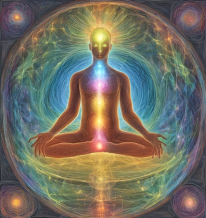
    An aura is a multi-layered energy field that surrounds the body, often depicted as a halo of light or color. Each layer of the aura corresponds to different aspects of our being: the physical, emotional, mental, and spiritual layers. These layers interact with each other, and the overall state of the aura reflects our current health and well-being.

    Auras are believed to be dynamic, constantly changing in response to our thoughts, emotions, and experiences. When we are healthy and balanced, our aura is strong and vibrant, providing us with a natural shield against external negativity. Conversely, when we are stressed, ill, or emotionally disturbed, our aura can become weakened or distorted, making us more vulnerable to outside influences.

    Understanding the Aura and Its Importance

    The aura is a multi-layered energy field that reflects our physical, emotional, mental, and spiritual states. It is believed to act as a protective shield, filtering energies from the external environment and preventing negative influences from affecting our well-being. When the aura is healthy and strong, it supports a balanced state of being, enhancing our resilience to stress, illness, and emotional turmoil.

    However, the aura can become weakened or imbalanced due to various factors, such as stress, trauma, negative thought patterns, or exposure to toxic environments. These imbalances manifest as energy blockages, which can lead to physical illness, emotional distress, or a sense of being energetically drained. Regular aura cleansing and maintenance are therefore essential to ensure that our energy field remains clear, vibrant, and protective.

    The Protective Function of Auras

    The primary role of the aura in personal energy protection is to act as a shield, filtering the energies that come into contact with us. Just as the immune system protects the body from physical harm, the aura protects our energy from harmful or unwanted influences. This can include negative emotions from others, environmental stressors, and even psychic or spiritual attacks.

    A strong, healthy aura can deflect negative energies, preventing them from penetrating our energy field and affecting our well-being. For example, in situations where we are exposed to stress or negativity, a resilient aura can help maintain our inner peace, preventing us from absorbing harmful energies. This protective barrier ensures that our energy remains intact, allowing us to navigate the world with greater confidence and security.

    Strengthening and Maintaining the Aura

    Given its protective role, it is essential to keep the aura strong and balanced. There are several practices and techniques that can help maintain the health of the aura, ensuring that it functions effectively as a protective shield.

    1. Regular Energy Cleansing: Just as we cleanse our physical bodies, it is important to cleanse our auras to remove any accumulated negative energy. This can be done through practices like meditation, smudging with sage, taking salt baths, or working with crystals. These methods help to clear away any energetic debris that may have attached to the aura, restoring its strength and vibrancy.

    2. Meditation and Visualization: Meditation is a powerful tool for strengthening the aura. By focusing on the breath and visualizing the aura as a bright, protective light surrounding the body, we can enhance its energy. Visualizations of light, color, or protective symbols can be used to reinforce the aura, making it more resilient against external influences.

    3. Emotional and Mental Balance: Since the aura reflects our inner state, maintaining emotional and mental balance is crucial for its health. Practices such as mindfulness, journaling, or therapy can help manage stress and negative emotions, preventing them from weakening the aura. Cultivating positive thoughts and emotions also contributes to a stronger, more protective aura.

    4. Physical Well-being: Physical health is directly linked to the strength of the aura. A healthy diet, regular exercise, and sufficient rest contribute to the vitality of the aura. When the body is healthy, the aura is more likely to be strong and radiant, providing better protection against negative energies.

    5. Spiritual Practices: Engaging in spiritual practices such as prayer, chanting, or energy healing can help reinforce the aura. These practices connect us with higher energies, infusing the aura with spiritual strength and protection. Regular spiritual practice helps maintain a high vibrational frequency, which in turn fortifies the aura.

    The Role of Auras in Interpersonal Interactions

    In addition to protecting us from external negative energies, the aura also plays a significant role in our interactions with others. Our auras constantly interact with the auras of those around us, influencing and being influenced by these encounters. A strong, healthy aura can help maintain personal boundaries in relationships, ensuring that we do not absorb unwanted energies from others.

    For example, in emotionally charged situations or in the presence of someone with negative energy, a resilient aura can prevent us from taking on their negativity. It allows us to remain centered and unaffected, maintaining our own emotional and energetic balance. Conversely, a weak aura can lead to feelings of being drained or overwhelmed after interacting with others, as our energy is more easily influenced or depleted.

    Understanding the role of the aura in these interactions empowers us to take control of our energy and protect it from unwanted influences. By strengthening our aura, we can engage with others from a place of strength and clarity, maintaining our personal power and well-being.

    The Role of Reiki Therapies in Energetic Aura Cleansing and Aura Maintenance

    Reiki therapy, a form of energy healing, plays a significant role in cleansing and maintaining the aura, which is the subtle energy field surrounding and permeating the human body. This therapy helps individuals clear away energetic blockages, restore balance, and strengthen their aura, thereby promoting overall well-being. Understanding how Reiki influences the aura can provide insight into its benefits for energetic health and spiritual harmony.

    Conclusion

    The aura plays a crucial role in personal energy protection, acting as a shield that safeguards us from external negative influences. By maintaining a strong, vibrant aura through practices like energy cleansing, meditation, emotional balance, and spiritual practices, we can protect our personal energy and ensure our overall well-being. Understanding and nurturing the aura not only enhances our resilience but also empowers us to navigate the world with greater confidence and inner peace, fully protected in our energetic sovereignty.

  • Energy Recovery and Personal Power Through Reiki and Other Energy Systems

    Energy Recovery and Personal Power Through Reiki and Other Energy Systems

    Energy recovery and personal power are integral concepts in many spiritual and healing practices, with Reiki and other energy systems playing a central role in this process. These practices offer individuals pathways to regain balance, enhance personal strength, and tap into a deeper sense of well-being. Understanding how these systems work, and how they can be applied to daily life, allows one to harness the power of energy healing for personal transformation.

    The Concept of Energy Recovery

    Energy recovery refers to the process of restoring balance and vitality to one’s body, mind, and spirit. In many traditions, it is believed that our energy can become depleted or blocked due to stress, illness, emotional trauma, or negative environmental influences. When this energy is not flowing properly, it can lead to physical ailments, emotional distress, and a general sense of disempowerment.

    Reiki and other energy healing systems address these issues by focusing on the flow and balance of energy within the body. These practices aim to remove blockages, replenish depleted energy reserves, and restore harmony. Energy recovery is not just about physical health; it is also about emotional and spiritual well-being. By recovering our energy, we reclaim our personal power, which is the ability to live authentically, make clear decisions, and maintain inner peace.

    Reiki: A Pathway to Energy Recovery and Personal Power

    Reiki, a Japanese technique for stress reduction and relaxation, also promotes healing by channeling energy into the body. Developed by Mikao Usui in the early 20th century, Reiki is based on the idea that an unseen „life force energy“ flows through us and is what causes us to be alive. When this energy is low, we are more likely to feel stressed or become ill; when it is high, we are more capable of being happy and healthy.

    In a Reiki session, the practitioner acts as a conduit for this universal life force energy, channeling it into the recipient through their hands. The energy flows to where it is needed most, helping to dissolve energy blockages, restore balance, and promote healing on all levels—physical, emotional, mental, and spiritual.

    Reiki empowers individuals by helping them reconnect with their inherent life force. As blockages are removed, individuals often experience a renewed sense of clarity, purpose, and vitality. This process of energy recovery allows them to tap into their personal power, which is not about control or dominance, but about alignment with one’s true self and the natural flow of life.

    Other Energy Systems for Healing and Empowerment

    While Reiki is widely recognized, it is one of many energy systems designed to promote healing and personal empowerment. Other practices, such as Qigong, Pranic Healing, and Chakra Balancing, offer similar benefits through different methodologies.

    Qigong, an ancient Chinese practice, combines movement, meditation, and controlled breathing to cultivate and balance the body’s energy, known as „Qi“ or „Chi.“ Like Reiki, Qigong focuses on the flow of energy within the body, promoting health, longevity, and spiritual growth. Practitioners use specific movements and meditative practices to strengthen their Qi, leading to increased vitality and personal power.

    Pranic Healing is another energy-based system that involves the manipulation of the body’s energy fields to promote healing. Developed by Master Choa Kok Sui, Pranic Healing uses the body’s life force, or „prana,“ to heal physical and emotional ailments. By cleansing and energizing the body’s energy centers, or chakras, Pranic Healing facilitates energy recovery and empowers individuals to take control of their health and well-being.

    Chakra Balancing focuses specifically on the body’s chakra system, which consists of seven main energy centers along the spine, each corresponding to different aspects of our physical, emotional, and spiritual selves. Blocked or imbalanced chakras can lead to a range of issues, from physical illness to emotional instability. Chakra Balancing aims to clear these blockages, restore balance, and align the chakras, allowing energy to flow freely and empowering individuals to live in harmony with their true nature.

    The Interconnection of Energy Recovery and Personal Power

    The link between energy recovery and personal power lies in the ability to reconnect with the self and the universe. When energy flows freely and is abundant, individuals are more attuned to their inner wisdom, intuition, and strength. This connection allows them to navigate life with greater ease and confidence, making decisions that align with their highest good and maintaining a sense of peace even in challenging circumstances.

    Energy healing practices like Reiki, Qigong, Pranic Healing, and Chakra Balancing offer tools to facilitate this connection. They provide pathways to cleanse, recharge, and realign one’s energy, leading to a more empowered and fulfilling life. As individuals recover their energy, they reclaim their personal power, leading to a state of balance where body, mind, and spirit are in harmony.

    Conclusion

    Energy recovery and personal power are deeply intertwined concepts that play a crucial role in our overall well-being. Practices like Reiki and other energy systems offer valuable methods for restoring balance, clearing blockages, and enhancing the flow of life force energy. By engaging in these practices, individuals can achieve a state of energy recovery that empowers them to live more authentically and in alignment with their true nature. As we learn to harness the power of these energy systems, we unlock the potential for profound personal transformation and a deeper connection with the world around us.

  • Abot Draughr & The Spiritual Impact of the Draughr

    Abot Draughr & The Spiritual Impact of the Draughr

    The Spiritual Impact of the Draughr: A Symbol of Unresolved Fears and Inner Darkness

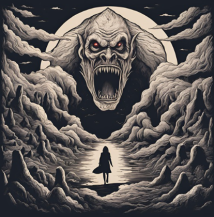
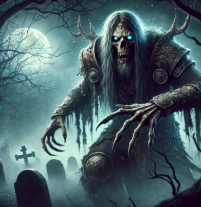
    The Draughr, a creature from Norse mythology, is a haunting figure embodying the restless dead. Its presence, whether in ancient tales or modern adaptations, serves as a powerful symbol of spiritual unrest and unresolved fears. The Draughr is not merely a physical entity but a manifestation of deeper psychological and spiritual struggles. Understanding how the presence of a Draughr affects us spiritually involves delving into the symbolic meaning it holds and how it mirrors our internal battles with death, guilt, and the unknown.

    The Draughr as a Symbol of Unresolved Issues

    At its core, the Draughr represents unresolved issues that continue to haunt the living. In the mythological sense, these beings are often spirits of those who died with unfulfilled desires or deep grudges, unable to find peace in the afterlife. Spiritually, this mirrors the concept of unresolved psychological or emotional conflicts in our lives. The presence of a Draughr serves as a reminder of the things we have not yet come to terms with—our regrets, past mistakes, or deep-seated fears. These unresolved issues can weigh heavily on our spiritual well-being, much like how the Draughr burdens the living with its cursed presence.

    When we encounter the Draughr in stories or in our imaginations, it brings to the forefront the necessity of addressing these unresolved aspects of our lives. Spiritually, ignoring these issues can lead to a state of inner unrest, where our spirit, much like the Draughr, cannot find peace. The creature’s existence pushes us to confront these issues, urging us to seek resolution and ultimately find spiritual harmony.

    The Draughr and the Fear of Death

    The Draughr’s connection to death is unmistakable. As a reanimated corpse, it represents the fear of death and the unknown that comes with it. Spiritually, the Draughr embodies the anxieties we harbor about our mortality and what lies beyond. The fear of death is a universal human experience, one that has driven spiritual exploration and religious belief throughout history. The Draughr, by its very nature, forces us to confront this fear directly.

    Spiritually, the presence of a Draughr challenges us to explore our beliefs about life and death. It pushes us to consider what we believe happens after death and how we deal with the inevitable end of life. In this sense, the Draughr can be seen as a catalyst for spiritual growth, as it forces us to grapple with these profound questions. By facing the Draughr, we are, in a way, facing our own mortality and the spiritual journey that comes with it.

    Inner Darkness and the Shadow Self

    The Draughr is often depicted as a creature of darkness, both physically and metaphorically. It lurks in the shadows, preying on the living. This darkness is symbolic of the shadow self, a concept in psychology and spirituality that refers to the unconscious and often repressed parts of our personality. The Draughr represents these darker aspects of ourselves—our fears, desires, and impulses that we may not fully understand or accept.

    Spiritually, encountering the Draughr is akin to encountering our shadow self. It brings to light the parts of ourselves that we might prefer to keep hidden, forcing us to acknowledge and integrate them. The process of facing the Draughr, therefore, is a spiritual journey toward self-awareness and acceptance. By confronting our inner darkness, we can achieve a more balanced and whole spiritual state.

    The Need for Spiritual Cleansing and Protection

    In many tales, the Draughr can only be vanquished through specific rituals or acts of spiritual cleansing. This emphasizes the importance of maintaining spiritual purity and protection in our lives. The presence of a Draughr serves as a warning that we may be spiritually vulnerable or that negative energies are at play. To protect ourselves, we must engage in spiritual practices that cleanse our spirits and surroundings, such as meditation, prayer, or rituals specific to our cultural or religious beliefs.

    The Draughr’s presence reminds us of the importance of spiritual hygiene—the regular practice of maintaining a positive spiritual state and guarding against negative influences. Just as one might cleanse a space to rid it of a Draughr, we must also cleanse our spirits to ensure that we remain balanced and free from spiritual harm.

    Conclusion

    The Draughr, as a symbol, has a profound spiritual impact on those who encounter it. It represents unresolved issues, the fear of death, and the darker aspects of our psyche that we must confront to achieve spiritual growth. The Draughr challenges us to address these issues directly, pushing us toward greater self-awareness and spiritual harmony. Its presence is a reminder of the ongoing spiritual journey we must undertake, one that involves facing our fears, embracing our shadow selves, and maintaining spiritual purity. In this way, the Draughr serves not only as a source of fear but also as a guide toward spiritual enlightenment.

  • Ritual for the Full Moon 19.08.2024 -for Mother Earth by Emma Bisschoff

    Ritual for the Full Moon 19.08.2024 -for Mother Earth by Emma Bisschoff

    Preparation: Find a quiet space where you will not be disturbed.

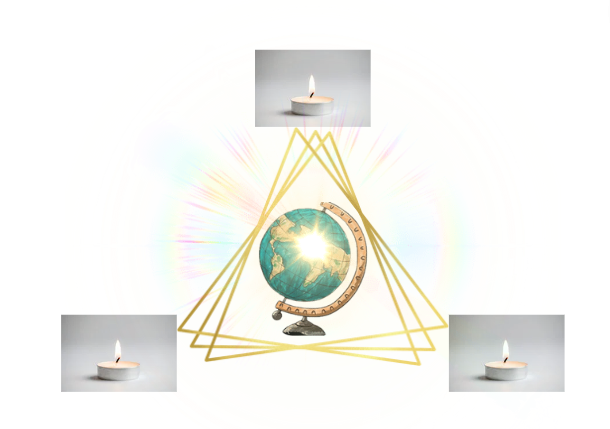
    Gather the items: three white candles, a small Earth globe or world map and any personal sacred objects that connect you to the Divine or to the Earth.

    Altar Setup: Arrange the three white candles in the shape of a triangle around the globe or map.

    Light the candles, calling upon the energies of the golden flame to illuminate and purify.

    Place your hands over the globe or map, feeling the connection to the Earth and all her inhabitants.

    Invocation: Close your eyes and take several deep breaths, grounding yourself in the present moment.

    Call upon the energies of the Shamballa MDH+1024 system, the golden triangles and the VTR energies.

    Visualize the golden triangles merging into the triangle of fire formed by the candles. See the flames burning brightly, purifying and protecting the planet.

    Cloning the Triangles: Imagine the golden triangles being multiplied by any multiple of 9, expanding their reach and power.

    Visualize these fiery triangles revolving around the Earth, dispelling energies and entities that bring war, disease and chaos.

    Affirmation: Speak or silently affirm: „By the power of the golden flame, we cleanse and protect the Earth. May all energies of war, disease and fear be transmuted into peace, health and harmony. Mother Gaia, we honor and support your healing.“

    Closing: Sit in meditation, continuing to visualize the golden flames enveloping the Earth until you feel a sense of completion.

    Extinguish the candles, offering thanks to the energies invoked and to Mother Gaia for her guidance and protection.

    Once the ritual is complete, I encourage you to share it with those you feel are aligned with this work. Together, we can amplify these sacred intentions and create a powerful wave of healing energy for our planet.