Kategorie: Personal development

  • Death : A Journey of Transformation

    Death : A Journey of Transformation

    Death : A Journey of Transformation

    Death is one of the most profound experiences that humanity faces, and it has been a subject of contemplation, fear, and wonder throughout the ages. While death is often seen as the end of life in a physical sense, many spiritual traditions across the world view it as a transition, rather than a conclusion. In the spiritual perspective, death is seen not as an annihilation but as a transformation, a passage from one state of existence to another. Understanding death from this viewpoint can bring comfort, acceptance, and even a deeper understanding of life itself.

    The Nature of Death in Various Spiritual Traditions

    Different spiritual traditions offer unique interpretations of death, though they often share common themes of transcendence, continuity of the soul, and the cyclical nature of existence.

    1. Buddhism: In Buddhism, death is viewed as part of the cycle of samsara, or the cycle of birth, death, and rebirth. The physical body dies, but the consciousness (or the stream of awareness) continues into the next life, shaped by karma, the accumulation of one’s actions and intentions in this and previous lives. Enlightenment, or Nirvana, is the ultimate goal, where the soul is freed from this cycle, transcending suffering and death entirely.
    2. Hinduism: Like Buddhism, Hinduism teaches that the soul (Atman) is eternal and undergoes a cycle of reincarnation (samsara). Death is a mere shedding of the physical body, while the soul moves on to its next life. This cycle is influenced by karma, and liberation (moksha) is the release from this cycle, allowing the soul to merge with the Divine (Brahman).
    3. Christianity: Christianity views death as a gateway to eternal life. The soul is believed to continue after death, with the promise of resurrection and eternal union with God for the righteous. Heaven and hell are seen as potential destinations for the soul, based on one’s actions and faith during life.
    4. Islam: In Islam, death is a transition from the physical world to the afterlife. It is seen as the beginning of a new existence, where the soul awaits the Day of Judgment. On this day, souls will be judged by God (Allah), and based on their deeds, they will either enter Paradise or Hell.
    5. Indigenous and Shamanic Traditions: Many indigenous and shamanic cultures believe in the existence of a spirit world where ancestors reside. Death is seen as a return to the spirit world, and the dead continue to play a role in guiding the living. Shamanic practices often involve communication with the spirits of the deceased for healing and guidance.
    6. New Age and Esoteric Views: In modern spiritual movements, such as those rooted in New Age philosophy, death is often viewed as a transformation of consciousness. The soul is believed to continue evolving after physical death, moving to higher planes of existence or even different dimensions of reality. Death is often seen as an opportunity for growth and spiritual evolution.

    Death as a Transition, Not an End

    One of the key spiritual insights about death is that it represents a transition from one form of existence to another. Rather than being a final destination, it is viewed as a passage to a different state of consciousness or a new phase in the soul’s journey.

    • Continuity of the Soul: In most spiritual traditions, the soul or consciousness is believed to be eternal, continuing its existence beyond the death of the body. Whether through reincarnation or the transition to another plane of existence, death does not destroy the essence of a being. This belief brings a sense of peace and continuity to life, as death is not seen as a void, but a continuation of the soul’s journey.
    • Death as a Transformation: Death is often likened to a transformation process—similar to a caterpillar becoming a butterfly. Just as a caterpillar undergoes a physical metamorphosis, the soul transforms as it passes through the doorway of death. The physical body is left behind, but the soul ascends to a higher state of being, free from the limitations of the material world.

    Lessons of Death: Impermanence and the Preciousness of Life

    Understanding death from a spiritual perspective often brings deeper insights into the nature of life. The knowledge that life is impermanent encourages us to live more fully and with greater awareness.

    • Impermanence: Death teaches us the lesson of impermanence, a central tenet in many spiritual traditions, particularly in Buddhism. The realization that all things are temporary and that life itself is fleeting helps us let go of attachments and live with greater mindfulness. It encourages us to focus on what truly matters and to appreciate the present moment.
    • The Gift of Life: Paradoxically, understanding death allows us to embrace life more fully. Knowing that our time in the physical world is limited motivates us to live with purpose, compassion, and love. Death can serve as a reminder to align with our higher purpose, cultivate meaningful relationships, and contribute positively to the world.

    The Fear of Death and Spiritual Growth

    Fear of death, known as thanatophobia, is a natural response to the unknown. However, many spiritual teachings emphasize that this fear can be transcended through deep spiritual practice and understanding. By contemplating death and recognizing it as a part of life’s natural cycle, individuals can lessen their fear and develop a more peaceful acceptance of the inevitable.

    • Meditation on Death: In traditions like Tibetan Buddhism, practitioners are encouraged to meditate on death, not as a morbid exercise, but as a way to embrace the truth of impermanence. Through this practice, fear dissolves, and individuals learn to live more fully, with acceptance and equanimity.
    • Facing Death as a Spiritual Initiation: In some spiritual traditions, death is viewed as the ultimate initiation or rite of passage. Facing the reality of death forces the ego to confront its limitations, often resulting in profound spiritual awakening. Many mystics and spiritual teachers have described near-death experiences or encounters with death as transformative, leading to heightened awareness and a deeper connection to the divine.

    Death as a Return to Source

    Many spiritual traditions view death as a return to the source from which we came, whether this source is God, the Divine, or the Universal Consciousness. This return is seen as a homecoming, a reunion with the oneness of existence.

    • Unity with the Divine: In both Eastern and Western spiritual traditions, death is often described as a return to unity with the divine essence. The individual soul, having completed its journey in the material world, dissolves back into the source from which it originated. This process is seen not as a loss of individuality, but as a merging with the greater consciousness that pervades all things.
    • The Eternal Now: From a spiritual perspective, death may also lead to a deeper understanding of time and existence. Many spiritual traditions teach that time is an illusion and that in the realm beyond death, all moments exist simultaneously in the eternal „now.“ Death, therefore, is not an end but a shift in perception, a return to a timeless state of being.

    Death, from a spiritual perspective, is not the end of existence but a profound transition that brings the soul closer to its ultimate destiny. It is a process of transformation, an opportunity for growth, and a reminder of the impermanence and preciousness of life. Through spiritual understanding, the fear of death can be replaced with acceptance, and the journey beyond the physical body can be viewed as a continuation of the soul’s evolution. Whether through reincarnation, ascension to higher realms, or unity with the divine, death is a vital part of the spiritual path—a journey that ultimately leads to a deeper connection with the eternal essence of life.

  • Intention, Focus, and Determination for Manifestation

    Intention, Focus, and Determination for Manifestation

    Manifestation, the process of bringing desires and goals into reality through the power of thought, belief, and action, is a concept that has gained widespread popularity in spiritual, self-help, and psychological communities. At the heart of successful manifestation lies a triad of key elements: intention, focus, and determination. Each of these components plays a critical role in transforming abstract desires into tangible outcomes.

    Intention: The Seed of Manifestation

    Intention is the starting point of manifestation. It is the clear, purposeful desire or goal that you wish to bring into reality. Without a defined intention, the process of manifestation lacks direction and purpose, akin to planting a seed without knowing what you hope to grow.

    Setting an intention involves more than simply wishing for something. It requires clarity and specificity. An effective intention is clear, positive, and stated in the present tense. For example, instead of saying, “I want to be successful,” a more powerful intention would be, “I am successful in my career and achieve my goals with confidence.”

    In many spiritual and psychological practices, the act of setting an intention is seen as aligning your personal energy with the larger forces of the universe. It is believed that when your intentions are clear and aligned with your higher self or purpose, the universe responds by creating opportunities and circumstances that lead to the manifestation of your desires.

    Focus: Channeling Energy Toward Your Goals

    Focus is the process of directing your mental and emotional energy towards your intention. It is about consistently bringing your attention back to your goal, even in the face of distractions or obstacles. Focus ensures that your energy is concentrated, rather than dispersed, which is essential for the manifestation process.

    Practices such as meditation, visualization, and affirmation are commonly used to enhance focus. Meditation helps quiet the mind and brings clarity, making it easier to concentrate on your intention. Visualization involves creating a mental image of your desired outcome, allowing you to see, feel, and experience your intention as if it has already been manifested. Affirmations are positive statements that reinforce your focus and belief in your intention.

    In the context of manifestation, focus is not just about thinking positively or wishing for something. It involves actively engaging with your intention on a daily basis, ensuring that your thoughts, emotions, and actions are all aligned with your desired outcome. This alignment creates a powerful energetic force that propels you towards your goals.

    Determination: The Driving Force Behind Manifestation

    Determination is the unwavering commitment to your intention, even when faced with challenges or setbacks. It is the inner drive that keeps you moving forward, regardless of external circumstances. Determination is crucial because manifestation is rarely a linear process; it often involves overcoming obstacles, staying patient, and maintaining faith in the outcome.

    Determination requires resilience and the ability to stay motivated over time. This can be cultivated through practices such as goal-setting, self-discipline, and maintaining a positive mindset. By breaking down your intention into smaller, manageable steps, you can maintain momentum and stay focused on the big picture.

    In spiritual practices, determination is often linked to faith or trust in the universe. It is the belief that your intention will manifest in its own time and in the best possible way. This belief sustains you during periods of doubt or difficulty, reminding you that setbacks are part of the journey and that persistence will eventually lead to success.

    The Synergy of Intention, Focus, and Determination

    While each of these elements—intention, focus, and determination—is powerful on its own, their true strength lies in their synergy. When combined, they create a potent force for manifestation:

    • Intention provides the direction and purpose.
    • Focus channels your energy and keeps you aligned with your goal.
    • Determination ensures that you remain committed and resilient, regardless of obstacles.

    Together, these elements form a dynamic process that allows you to move from desire to realization. The more you cultivate and integrate these aspects into your daily life, the more effective your manifestation practice becomes.

    Manifestation is not simply about thinking positively or wishing for something to happen. It is a disciplined practice that involves setting clear intentions, maintaining focused energy, and demonstrating unwavering determination. By harnessing these three elements, you can align your thoughts, emotions, and actions with your desired outcome, turning abstract dreams into concrete reality. Whether in the realm of personal growth, career, relationships, or spirituality, the power of intention, focus, and determination can transform your life in profound and meaningful ways.

  • Mystical Sigils

    Mystical Sigils

    Mystical Sigils: An Exploration of Their Power and Purpose

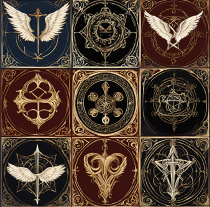
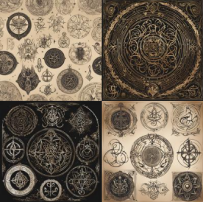
    Mystical sigils are potent symbols created for the purpose of manifesting specific desires, intentions, or energies in the material world. Rooted in ancient magical traditions, sigils are tools that bridge the gap between the conscious mind and the subconscious, enabling practitioners to influence reality through focused intention and symbolic representation.

    Origins and History of Sigils

    The use of sigils dates back to ancient times, with evidence of their use in various cultures and religious practices. In medieval Europe, sigils were commonly used in ceremonial magic, particularly within the practices of occultists and alchemists. They were often associated with the invocation of angels, demons, or other spiritual entities, each of which had its own specific sigil.

    Historically, sigils were also linked to talismans and amulets, where the power of a specific symbol was believed to protect or empower the bearer. The word „sigil“ itself comes from the Latin sigillum, meaning „seal,“ and these symbols were often used as seals on documents or artifacts to denote power or authority.

    The Creation of a Sigil

    Creating a sigil involves a process that combines creativity, symbolism, and focused intent. The most common method for crafting a sigil follows these steps:

    1. Statement of Intent: The practitioner begins by formulating a clear, concise statement of intent, usually in the form of an affirmation or a wish. For example, „I am confident“ or „I attract prosperity.“
    2. Simplification: The statement is then condensed by removing vowels and repeating letters, leaving behind a string of unique consonants.
    3. Designing the Sigil: The remaining letters are creatively combined into a single, unique symbol. This design process is where the practitioner’s intuition and artistic sense come into play, as the goal is to create a symbol that resonates on a subconscious level.
    4. Charging the Sigil: Once the sigil is created, it must be „charged“ with energy. This can be done through meditation, visualization, or ritual practices. The idea is to focus intently on the sigil, imbuing it with the power of the practitioner’s intent.
    5. Releasing the Sigil: After charging, the sigil is typically released into the universe by forgetting its specific intent. The symbol is often destroyed (e.g., burned or buried) to symbolize the release of its power, though some traditions prefer to keep the sigil in a place where it can continue to influence the environment.

    Types of Sigils

    Sigils can vary widely in form and function, depending on the tradition and the practitioner’s goals. Some of the most common types include:

    • Personal Sigils: Created to manifest specific personal desires or qualities, such as confidence, love, or success.
    • Protective Sigils: Designed to guard against negative influences or energies, often incorporated into amulets or protective spaces.
    • Invocational Sigils: Used to summon or connect with spiritual entities, such as angels, deities, or elementals.
    • Banishing Sigils: Intended to dispel unwanted energies, entities, or influences from a person’s life or environment.

    Mystical and Psychological Significance

    On a mystical level, sigils are seen as keys to unlocking the deeper powers of the mind and the universe. They act as a form of symbolic language that can communicate directly with the subconscious, bypassing the logical, critical mind. This allows the practitioner to align their subconscious beliefs and desires with their conscious intentions, thereby making it easier to manifest their goals.

    Psychologically, sigils can be understood as a form of autosuggestion or self-programming. By focusing on a sigil and charging it with intent, the practitioner effectively implants a suggestion into their subconscious mind. This can lead to changes in behavior, perception, and circumstances, as the subconscious begins to work towards the fulfillment of the sigil’s intent.

    Modern Use of Sigils

    In modern magical practices, particularly within chaos magic, sigils have gained renewed popularity due to their flexibility and effectiveness. Chaos magicians often emphasize the importance of personal belief in the process, asserting that the power of a sigil comes not from any inherent mystical property, but from the belief and intent of the practitioner.

    Sigils are also widely used in various forms of witchcraft, neo-paganism, and new age spirituality, where they are adapted to fit a wide range of spiritual and practical purposes. The internet has further democratized the use of sigils, with many practitioners sharing their creations and methods online, allowing for a blending of traditional and contemporary approaches.

    Conclusion

    Mystical sigils are powerful tools that tap into the symbolic and subconscious aspects of the mind, allowing practitioners to influence their reality through focused intention and symbolic action. Whether viewed as a form of magical practice, psychological self-programming, or both, sigils offer a unique and flexible approach to manifesting desires and achieving personal transformation. As tools that bridge the mystical and the mundane, sigils continue to hold a significant place in the world of modern spirituality and magic.

  • Simboluri versus Sigilii

    Simboluri versus Sigilii

    Simboluri versus Sigilii din Punct de Vedere Ezoteric

    În cadrul tradițiilor ezoterice, simbolurile și sigiliile sunt două categorii distincte de forme vizuale, ambele încărcate cu semnificații profunde și puteri mistice. Deși aceste două concepte sunt adesea utilizate în mod similar, ele au funcții, origini și utilizări diferite în practicile spirituale și magice. În acest eseu, vom explora diferențele și asemănările dintre simboluri și sigilii dintr-o perspectivă ezoterică, evidențiind rolul lor în diferite tradiții spirituale.

    Simboluri: O Explorare a Universalului

    Definiție și Rol
    Simbolurile sunt imagini sau semne care reprezintă idei, concepte sau forțe universale. Ele sunt adesea folosite pentru a comunica mesaje complexe într-un mod simplificat și sunt frecvent întâlnite în religii, mitologii și sisteme filosofice. Simbolurile pot varia de la forme geometrice simple (cum ar fi cercul, crucea sau spirala) la reprezentări mai complexe, cum ar fi ochiul lui Horus, ankh-ul egiptean sau yin și yang-ul taoist.

    Semnificație Ezoterică
    În ezoterism, simbolurile sunt considerate coduri sau chei care deschid uși către înțelepciunea interioară și către lumea spirituală. Ele sunt adesea văzute ca reprezentări ale unor adevăruri universale sau arhetipale. De exemplu:

    • Cercul reprezintă infinitul, eternitatea și unitatea.
    • Crucea simbolizează echilibrul, cele patru elemente, sau intersectarea lumii materiale cu cea spirituală.
    • Triunghiul poate indica trinitatea, fie sub forma corp-minte-spirit, fie sub alte triade sacre.

    Funcție în Practicile Ezoterice
    Simbolurile sunt folosite în ritualuri, meditații și incantații pentru a concentra energia și a facilita conexiunea cu forțele superioare. De asemenea, ele pot servi ca instrumente de protecție, armonizare sau manifestare a intențiilor. Utilizarea simbolurilor este frecvent întâlnită în alchimie, astrologie, tarot și alte practici ezoterice, unde fiecare simbol își are locul și scopul bine definit.

    Sigilii: Instrumente Magice și Puterea Lor

    Definiție și Rol
    Sigiliile sunt simboluri create sau desenate în mod intenționat pentru a reprezenta o entitate specifică, o dorință sau o comandă magică. În tradițiile oculte, un sigiliu poate fi văzut ca o semnătură energetică, care captează și direcționează puterea unei entități sau a unei intenții. Sigiliile sunt adesea asociate cu entități demonice sau angelice, precum și cu invocarea sau evocarea acestor entități în ritualurile magice.

    Semnificație Ezoterică
    În ezoterism, sigiliile sunt considerate a fi portaluri către alte tărâmuri sau planuri de existență. Ele sunt create într-un mod care combină simbolismul cu voința practicianului, având astfel o putere de activare a energiei dorite. Sigiliile sunt frecvent utilizate în tradițiile magice ceremoniale, cum ar fi magia enohiană, Kabbalah, sau diverse forme de magie haotică.

    Funcție în Practicile Ezoterice
    Sigiliile sunt folosite pentru a atrage, controla sau respinge energii sau entități. Procesul de creare a unui sigiliu include adesea meditație, concentrare intensă și uneori ritualuri specifice. Practicianul poate crea un sigiliu pentru a-și manifesta dorințele, pentru a proteja împotriva energiilor negative sau pentru a influența evenimente din viața sa. Odată creat, sigiliul poate fi încărcat cu energie prin diverse metode, cum ar fi incantații, vizualizare sau meditație, și apoi poate fi distrus sau păstrat, în funcție de scopul său.

    Diferențele Cheie între Simboluri și Sigilii

    1. Origine și Natură:
      • Simbolurile au o origine mai universală și sunt folosite de multiple tradiții și culturi pentru a reprezenta idei sau forțe arhetipale.
      • Sigiliile, pe de altă parte, sunt mai personale și sunt create specific pentru a capta sau direcționa o anumită energie sau entitate.
    2. Scop și Utilizare:
      • Simbolurile sunt adesea folosite pentru meditație, introspecție și conexiune cu principiile universale.
      • Sigiliile sunt utilizate mai activ în ritualuri magice pentru a obține un anumit rezultat sau a invoca o entitate specifică.
    3. Flexibilitate și Adaptabilitate:
      • Simbolurile au o semnificație fixă și universală, deși interpretarea lor poate varia.
      • Sigiliile sunt mai flexibile și pot fi personalizate în funcție de intenția practicianului.

    Asemănări între Simboluri și Sigilii

    În ciuda diferențelor lor, simbolurile și sigiliile împărtășesc câteva trăsături comune:

    • Ambele servesc ca instrumente ezoterice pentru a accesa sau manipula energii subtile.
    • Ambele sunt încărcate cu semnificație și pot fi folosite pentru a canaliza intenția practicianului.
    • Ambele pot fi integrate în ritualuri sau meditații pentru a obține un efect spiritual sau magic dorit.

    Simbolurile și sigiliile joacă roluri esențiale în practicile ezoterice, fiecare aducând un set unic de funcționalități și semnificații. În timp ce simbolurile ne conectează cu arhetipuri și principii universale, sigiliile ne permit să lucrăm în mod activ cu energii și entități specifice, oferindu-ne un control mai direct asupra realității noastre spirituale și magice. Înțelegerea și utilizarea corectă a acestor instrumente pot îmbogăți și profundiza practica spirituală, oferind practicianului o cale mai clară către realizarea intențiilor sale și către explorarea misterelor universului.

  • Obsesia și Ritualurile

    Obsesia și Ritualurile

    Obsesia și Ritualurile: O Explorare a Relației Psihologice și Spirituale

    Obsesia și ritualurile sunt două fenomene care, deși aparent distincte, se pot intersecta într-un mod profund în viața unei persoane. Obsesia, în esență, reprezintă o preocupare intensă și persistentă față de un anumit gând, obiect sau activitate, în timp ce ritualurile sunt acțiuni repetitive și structurate, adesea încărcate de semnificație simbolică sau spirituală. Atunci când aceste două concepte se combină, pot influența profund comportamentul, psihologia și spiritualitatea unei persoane.

    Ce Este Obsesia?

    Obsesia este caracterizată prin gânduri repetitive și intruzive care domină mintea unei persoane. Aceste gânduri pot fi legate de temeri iraționale, dorințe puternice sau preocupări constante și pot duce la un comportament compulsiv. Obsesia poate varia de la gânduri inofensive și ușor de ignorat, la gânduri debilitante care interferează cu viața de zi cu zi.

    În contextul psihologic, obsesiile sunt adesea asociate cu tulburarea obsesiv-compulsivă (TOC), unde persoana simte nevoia să efectueze anumite ritualuri sau acțiuni repetate pentru a calma anxietatea cauzată de aceste gânduri obsesive.

    Ritualurile: Definiție și Scop

    Ritualurile sunt acțiuni deliberate și repetitive, care pot avea atât funcții practice, cât și simbolice. Ele pot fi simple, cum ar fi aprinderea unei lumânări în fiecare seară, sau complexe, cum ar fi ceremoniile religioase elaborate. Ritualurile pot servi mai multe scopuri, inclusiv:

    • Structurare a timpului și a vieții: Ele oferă o rutină și stabilitate, ajutând la organizarea vieții de zi cu zi.
    • Conexiune spirituală: În multe culturi, ritualurile sunt esențiale pentru a se conecta cu divinul, pentru a onora strămoșii sau pentru a invoca protecția.
    • Procesare emoțională: Ritualurile pot ajuta la exprimarea și gestionarea emoțiilor, în special în perioadele de pierdere sau tranziție.

    Intersecția dintre Obsesie și Ritualuri

    Când obsesia și ritualurile se suprapun, acestea pot crea un ciclu care poate fi atât dăunător, cât și împuternicitor, în funcție de context.

    1. Ritualuri Compulsive: În cazul tulburării obsesiv-compulsive, persoanele pot dezvolta ritualuri compulsive ca răspuns la gândurile obsesive. De exemplu, o persoană care se teme de contaminare poate simți nevoia să se spele pe mâini de un număr exact de ori pentru a reduce anxietatea. În acest context, ritualurile nu sunt neapărat spirituale sau simbolice, ci sunt comportamente compulsive care mențin obsesia activă.
    2. Ritualuri Magico-Spirituale: Într-un context spiritual, obsesiile pot duce la dezvoltarea unor ritualuri complexe și rigide care sunt percepute ca fiind esențiale pentru atingerea unui obiectiv spiritual sau pentru protecție. De exemplu, cineva poate deveni obsedat de ideea că trebuie să efectueze un anumit ritual la un anumit moment pentru a evita ghinionul sau pentru a atrage prosperitatea. Această obsesie poate transforma ritualul dintr-un act sacru într-o obligație înrobitoare.
    3. Căutarea Echilibrului: În unele cazuri, persoanele obsedate de autocunoaștere sau creștere spirituală pot folosi ritualurile ca un mijloc de a-și canaliza energia și a-și organiza gândurile. Deși aceste ritualuri pot începe dintr-o obsesie, ele pot evolua într-o practică disciplinată care aduce pace interioară și claritate mentală.

    Impactul Psihologic și Spiritual

    Relația dintre obsesie și ritualuri poate avea atât efecte pozitive, cât și negative asupra individului:

    • Aspecte Negative: Obsesia poate duce la rigiditate în gândire și comportament, iar ritualurile, în loc să fie eliberatoare, devin constrângătoare. Persoana poate deveni prizoniera propriilor sale gânduri și acțiuni, ceea ce poate duce la anxietate, depresie și chiar izolare socială.
    • Aspecte Pozitive: Atunci când sunt gestionate corect, ritualurile pot oferi un sentiment de ordine și control în viață, ajutând la canalizarea obsesiei într-un mod constructiv. Într-un context spiritual, ritualurile pot deveni o formă de meditație activă, oferind oportunități pentru introspecție și creștere personală.

    Eliberarea de Obsesii prin Ritualuri Pozitive

    Unul dintre modurile în care ritualurile pot fi folosite pentru a contracara efectele negative ale obsesiei este prin transformarea acestor ritualuri în practici conștiente și intenționate. În loc de a repeta mecanic acțiuni compulsive, persoana poate introduce elemente de mindfulness și intenție pozitivă în ritualurile sale. De exemplu, un ritual zilnic de meditație sau rugăciune poate ajuta la disiparea energiilor obsesive și la cultivarea unei stări de calm și echilibru.

    Fascinația pentru ritualuri și tendința către obsesie sunt aspecte adânc înrădăcinate în natura umană. Atunci când sunt echilibrate și integrate corect, aceste două forțe pot lucra împreună pentru a crea un mediu propice dezvoltării spirituale și mentale. Cu toate acestea, dacă sunt lăsate necontrolate, ele pot duce la un ciclu nesănătos de comportamente compulsive și gânduri obsesive. Înțelegerea relației dintre obsesie și ritualuri poate ajuta la dezvoltarea unor practici care să hrănească atât mintea, cât și sufletul, permițând individului să se elibereze de constrângeri și să atingă un nivel mai înalt de conștientizare și echilibru interior.

  • Animalele de Putere în Practica Spirituală

    Animalele de Putere în Practica Spirituală

    Animalele de putere, cunoscute și sub denumirea de animale totem sau animale spirit, ocupă un loc central în multe tradiții spirituale și șamanice din întreaga lume. Aceste entități spirituale sunt considerate ghizi, protectori și surse de înțelepciune pentru cei care le invocă în practici spirituale, meditatii sau ritualuri. Fiecare animal de putere este asociat cu anumite calități, energii și lecții de viață, reflectând esența sa unică și modul în care poate influența viața și creșterea spirituală a unui individ.

    Originea și Semnificația Animalelor de Putere

    Conceptul de animale de putere provine în principal din tradițiile șamanice ale popoarelor indigene din America de Nord, dar are paralele în multe alte culturi, inclusiv cele din Africa, Asia și Europa. În aceste tradiții, se crede că fiecare persoană are un animal de putere care îi oferă protecție, înțelepciune și îndrumare pe parcursul vieții. Acest animal poate apărea în vis, în timpul meditației, sau poate fi descoperit prin ritualuri șamanice.

    Rolul și Funcția Animalelor de Putere

    Animalele de putere au roluri multiple în practica spirituală, fiecare funcție fiind adaptată nevoilor și călătoriei spirituale a individului:

    1. Protecție: Animalele de putere oferă un scut energetic împotriva influențelor negative, protejând individul atât pe plan fizic cât și pe cel spiritual.
    2. Îndrumare și înțelepciune: Fiecare animal aduce un set de lecții sau calități care pot ghida persoana în deciziile și provocările vieții. De exemplu, vulturul poate oferi viziune și claritate, în timp ce lupul poate aduce înțelepciune și instincte puternice.
    3. Vindecare: În tradițiile șamanice, animalele de putere pot fi invocate pentru a ajuta la vindecarea fizică, emoțională sau spirituală, aducând energii benefice și echilibrând câmpul energetic al individului.
    4. Conectare cu natura: Animalele de putere ajută la reconectarea individului cu natura și cu ritmurile naturale ale vieții. Acest lucru poate aduce o mai mare armonie și echilibru în viața de zi cu zi.

    Cum se Descoperă Animalul de Putere

    Există mai multe modalități prin care o persoană își poate descoperi animalul de putere:

    1. Meditație și vise: Animalul de putere poate apărea în vise sau în stări meditative profunde. Practicantul poate cere să fie ghidat către animalul său de putere prin rugăciuni sau intenții clare.
    2. Ritualuri șamanice: În multe culturi, șamanii pot efectua ceremonii speciale pentru a descoperi animalul de putere al unei persoane. Aceste ritualuri implică dansuri, tobe și alte instrumente sacre care facilitează intrarea în stări modificate de conștiință.
    3. Semne și sincronicități: Uneori, animalul de putere poate fi revelat prin semne repetate sau întâlniri neașteptate cu anumite animale în viața de zi cu zi. Dacă un anumit animal apare frecvent în viața unei persoane, poate fi un indiciu că acesta este animalul său de putere.

    Exemple de Animale de Putere și Semnificațiile Lor

    • Lupul: Simbolizează loialitatea, înțelepciunea, instinctele puternice și legătura strânsă cu familia și comunitatea.
    • Vulturul: Reprezintă claritate, viziune de ansamblu, libertate și conexiune spirituală înaltă.
    • Ursul: Este asociat cu puterea interioară, vindecarea, introspecția și curajul.
    • Șarpele: Simbolizează transformarea, regenerarea, vindecarea și înțelepciunea antică.
    • Bufnița: Reprezintă intuiția, cunoașterea ascunsă, clarviziunea și misterul.

    Integrarea Animalelor de Putere în Practica Spirituală

    Pentru a integra un animal de putere în practica spirituală, se poate lucra cu energia și simbolismul acestuia prin diverse metode:

    1. Meditare asupra simbolismului: Reflectarea asupra trăsăturilor animalului și cum acestea pot fi cultivate în viața de zi cu zi.
    2. Amulete și talismane: Purtarea unui simbol al animalului de putere, cum ar fi o amuletă, pentru a atrage protecția și ghidarea acestuia.
    3. Jurnal și reflecție: Menținerea unui jurnal în care se notează experiențele și mesajele primite de la animalul de putere.

    Animalele de putere sunt parteneri spirituali puternici care pot ghida, proteja și inspira individul pe parcursul călătoriei sale spirituale. Înțelegerea și colaborarea cu aceste entități poate aduce o profunzime mai mare practicii spirituale, oferind înțelepciune ancestrală și o conexiune profundă cu lumea naturală. Cultivarea relației cu un animal de putere este un proces de respect și devotament, iar recompensele spirituale pot fi remarcabile pentru cei care aleg să urmeze această cale.

    În secțiunea Shop a site-ului puteți alege între mai multe sisteme și pachete care includ munca energetică/spirituală cu animale de putere. Dacă nu reușiți să faceți asta, trimiteți-mi un e-mail și vă voi oferi recomandări și linkuri directe către ceea ce căutați. Enjoy!


  • Soul Mates versus Twin Flames

    Soul Mates versus Twin Flames

    The concepts of soul mates and twin flames are deeply rooted in spiritual and metaphysical traditions, representing two distinct types of profound connections between individuals. Both are often associated with love, personal growth, and spiritual evolution, but they differ significantly in their nature, purpose, and the dynamics they create in relationships. Understanding these differences can provide clarity for those navigating intense and meaningful relationships.

    Soul Mates

    Definition and Purpose

    A soul mate is typically described as someone with whom you share a deep and harmonious connection. Soul mates are believed to be souls that have encountered each other in multiple lifetimes, developing a bond that transcends time and space. This connection is often characterized by a sense of familiarity, comfort, and understanding.

    • Multiple Soul Mates: It is commonly believed that a person can have more than one soul mate in their lifetime. These relationships are not limited to romantic partners; they can include friends, family members, or even mentors. The primary purpose of a soul mate relationship is mutual support, growth, and companionship.
    • Harmony and Ease: Relationships with soul mates tend to be relatively easy and harmonious. While they do involve challenges, the bond is generally based on mutual respect, love, and understanding. The connection feels natural, as if the individuals were meant to be part of each other’s lives.
    • Personal Growth: Soul mate relationships often provide a safe space for personal growth. These connections encourage individuals to explore their true selves, offering support and guidance without excessive drama or conflict.

    Twin Flames

    Definition and Purpose

    Twin flames, on the other hand, represent a unique and intense connection. The twin flame concept is based on the idea that a soul can split into two separate entities, each incarnating in different bodies. These two halves, when they meet, experience a powerful and transformative bond that is often described as „mirroring“ each other.

    • One Twin Flame: Unlike soul mates, it is generally believed that a person has only one twin flame. This connection is often marked by a sense of destiny or fate, as if the two individuals were meant to find each other to complete their spiritual journey.
    • Intensity and Challenge: Twin flame relationships are known for their intensity and complexity. While they can bring immense love and joy, they often involve significant challenges and conflicts. This is because twin flames are mirrors of each other, reflecting both the strengths and weaknesses of their counterpart. The relationship pushes both individuals to confront their deepest fears, insecurities, and unresolved issues.
    • Spiritual Awakening and Transformation: The primary purpose of a twin flame relationship is spiritual awakening and transformation. These connections are designed to accelerate personal growth and lead to a higher level of consciousness. The challenges faced in a twin flame relationship often serve as catalysts for profound change, forcing both individuals to evolve and grow in ways they may not have anticipated.

    Key Differences

    1. Nature of the Connection:
      • Soul Mates: Often feel like a natural, easy fit with a deep sense of comfort and mutual understanding.
      • Twin Flames: Typically experience an intense, often turbulent connection that challenges both individuals to grow.
    2. Number of Relationships:
      • Soul Mates: You can have multiple soul mates, each fulfilling different roles in your life.
      • Twin Flames: Generally, you have only one twin flame, with whom the connection is singular and unique.
    3. Purpose:
      • Soul Mates: Provide support, companionship, and love, contributing to steady personal growth.
      • Twin Flames: Act as a mirror, reflecting back all aspects of yourself, and serve as a catalyst for deep spiritual awakening and transformation.
    4. Challenges:
      • Soul Mates: While challenges exist, the relationship is typically marked by ease and harmony.
      • Twin Flames: The relationship is often fraught with challenges that force both individuals to confront and heal their deepest wounds.
    5. Outcome:
      • Soul Mates: The relationship may last a lifetime or be transient, but it generally leaves both individuals better off and more complete.
      • Twin Flames: The relationship can lead to union or separation, depending on the individuals‘ ability to navigate the intense dynamics. The ultimate goal is spiritual growth, regardless of whether the relationship remains intact.

    Soul mates and twin flames represent two distinct but equally important types of connections in the spiritual realm. Soul mates bring comfort, support, and steady growth, helping us navigate the challenges of life with a partner who understands and complements us. Twin flames, on the other hand, are intense and transformative, pushing us to confront our deepest selves and evolve spiritually.

    While both relationships can be deeply fulfilling, they serve different purposes in our journey. Soul mate relationships are often more harmonious and nurturing, whereas twin flame connections, though potentially turbulent, offer the opportunity for profound spiritual awakening and personal transformation. Understanding the nature of these relationships can help us appreciate the unique role each plays in our lives.

  • Acceptarea unui cadou

    Acceptarea unui cadou

    Acceptarea unui cadou este un gest simplu, dar plin de semnificație. În multe culturi, modul în care primești un cadou poate spune multe despre respectul, aprecierea și politețea ta. Iată câțiva pași și sfaturi pentru a accepta un cadou cu grație și recunoștință:

    1. Exprimă-ți Recunoștința Imediat

    • Mulțumește sincer: Când primești un cadou, prima reacție ar trebui să fie de mulțumire. Exprimă-ți recunoștința imediat și sincer. Un simplu „Mulțumesc” este adesea suficient, dar dacă dorești să mergi mai departe, poți adăuga „Este foarte frumos din partea ta” sau „Îmi place foarte mult acest cadou.”
    • Zâmbește: Un zâmbet cald poate transmite multă apreciere și bucurie. Arată că ești mulțumit de gest și că prețuiești ceea ce ai primit.

    2. Fii Prezent și Politicos

    • Fii atent la moment: Dacă cineva îți oferă un cadou personal, cum ar fi într-o întâlnire față în față, asigură-te că ești complet prezent în acel moment. Nu te lăsa distras de telefon sau alte lucruri.
    • Deschide cadoul în fața persoanei: În multe culturi, este un gest politicos să deschizi cadoul imediat ce îl primești, pentru a arăta apreciere și entuziasm față de darul primit. Fii atent la expresia feței și la comentariile pe care le faci, chiar dacă cadoul nu este exact ceea ce îți doreai.

    3. Reacționează cu Entuziasm

    • Arată aprecierea față de gândul din spatele cadoului: Chiar dacă cadoul nu este exact pe gustul tău, recunoaște gestul și efortul depus. Spune ceva de genul „Îți mulțumesc pentru că te-ai gândit la mine” sau „Este evident că ai pus mult suflet în alegerea acestui cadou.”
    • Găsește un aspect pozitiv: Dacă ai dubii cu privire la cadou, încearcă să găsești un aspect pozitiv. Poți spune „Îmi place foarte mult culoarea” sau „Este exact ce îmi trebuia pentru…”.

    4. Evită Comentariile Negative

    • Fii sincer, dar nu critic: Dacă nu îți place cadoul sau dacă nu este ceea ce așteptai, evită să faci comentarii negative sau să îți exprimi dezamăgirea. În schimb, concentrează-te pe aprecierea gestului.
    • Nu te simți obligat să oferi ceva în schimb: Un cadou nu ar trebui să creeze un sentiment de obligație. Acceptă-l cu grație, fără a simți că trebuie să oferi imediat ceva în schimb. Recunoștința și mulțumirile sunt suficiente.

    5. Urmează cu un Mesaj de Mulțumire

    • Trimite un mesaj sau o notă de mulțumire: După ce ai primit cadoul, este o practică bună să trimiți un mesaj sau o notă de mulțumire. Aceasta arată că apreciezi cu adevărat gestul și că îți pasă de relația cu persoana respectivă.

    6. Folosește Cadoul

    • Dacă este posibil, folosește sau poartă cadoul: Dacă cadoul este un obiect practic sau un articol de îmbrăcăminte, încearcă să îl folosești sau să îl porți în prezența persoanei care ți l-a oferit. Acest lucru va arăta că ai apreciat cadoul și că îl integrezi în viața ta.

    7. Răspunde cu Generozitate

    • Gândește-te la viitor: Dacă ai primit un cadou de la cineva apropiat, poate vrei să te gândești la un gest similar în viitor. Deși nu trebuie să răspunzi imediat, este plăcut să fii atent la ocaziile viitoare în care poți oferi și tu un cadou.

    Acceptarea unui cadou cu grație și recunoștință este un gest de respect și apreciere. Este o oportunitate de a întări legăturile cu cei din jur și de a arăta că prețuiești nu doar darul în sine, ci și gândul și sentimentele din spatele lui.

    Alte sfaturi pe tema,aici: https://youtu.be/Mecz78NHYLc

  • Recovering after a failure

    Recovering after a failure

    Recovering after a failure can be challenging, but it’s also a powerful opportunity for growth and self-improvement. Here’s a step-by-step guide on how to recover effectively after a setback:

    1. Acknowledge Your Feelings

    • Accept the Emotion: It’s natural to feel disappointed, frustrated, or even embarrassed after a failure. Allow yourself to experience these emotions without judgment.
    • Express Your Feelings: Talk to a trusted friend, write in a journal, or use creative outlets like art or music to express what you’re going through.

    2. Analyze What Happened

    • Reflect Honestly: Take some time to objectively analyze what went wrong. What were the key factors that led to the failure? Were there things you could have done differently?
    • Identify the Lessons: Every failure carries valuable lessons. Identify what you can learn from the experience, whether it’s about preparation, decision-making, or understanding your strengths and weaknesses.

    3. Take Responsibility

    • Own Your Part: Acknowledge your role in the failure without blaming others or external circumstances. Taking responsibility empowers you to make changes.
    • Avoid Self-Blame: While it’s important to own your mistakes, avoid harsh self-criticism. Focus on what you can do better next time rather than dwelling on what went wrong.

    4. Reframe the Failure

    • See Failure as Feedback: Instead of viewing failure as a dead-end, see it as feedback on your approach. It’s an opportunity to adjust your strategy and try again with more insight.
    • Adopt a Growth Mindset: Embrace the idea that your abilities and intelligence can grow with effort. A growth mindset helps you see failure as a stepping stone to success.

    5. Make a Plan for Moving Forward

    • Set New Goals: Reevaluate your goals in light of what you’ve learned. Set clear, realistic goals that align with your current situation.
    • Create an Action Plan: Break your goals down into manageable steps. Outline specific actions you can take to move forward, and set timelines to stay on track.

    6. Rebuild Confidence

    • Celebrate Small Wins: Focus on small achievements to rebuild your confidence. Each step forward is a victory worth acknowledging.
    • Practice Self-Compassion: Treat yourself with kindness and understanding, just as you would treat a friend who experienced a setback.

    7. Seek Support

    • Talk to Mentors or Coaches: If you’re struggling to bounce back, seek advice from someone with experience. They can offer perspective and guidance.
    • Lean on Your Support Network: Surround yourself with positive, supportive people who can encourage you and help you stay motivated.

    8. Stay Persistent

    • Keep Trying: Success often comes after multiple attempts. Stay persistent and keep pushing forward, even if progress feels slow.
    • Learn and Adapt: Be open to adjusting your approach based on new insights or feedback. Flexibility is key to overcoming obstacles.

    9. Practice Resilience-Building Techniques

    • Mindfulness and Meditation: These practices can help you stay grounded and reduce stress, allowing you to approach challenges with a clear mind.
    • Physical Exercise: Regular exercise can boost your mood and energy levels, helping you feel more capable of tackling challenges.

    10. Embrace the Journey

    • Focus on Growth, Not Perfection: Remember that the path to success is rarely linear. Embrace the ups and downs as part of your journey.
    • Stay Positive: Cultivate a positive outlook by focusing on what you can control and taking proactive steps to improve.

    Failure is an inevitable part of life, but it doesn’t define you. By acknowledging your feelings, learning from the experience, and taking deliberate steps forward, you can recover from failure and emerge stronger, wiser, and more resilient.

  • Love & Light

    Love & Light

    „Love and light“ is a phrase that encapsulates the essence of positivity, compassion, and spiritual well-being. It’s often used as a blessing, a way to send positive energy, or a reminder to approach life with an open heart and a clear mind. Here’s a deeper look at what this phrase embodies:

    Love

    • Unconditional Compassion: Love, in this context, refers to a deep, unconditional compassion for oneself and others. It’s about embracing kindness, understanding, and empathy in all interactions.
    • Healing Energy: Love is seen as a powerful healing force that can mend emotional wounds, foster connection, and promote peace. It’s the foundation of meaningful relationships and a fulfilling life.
    • Self-Love: Equally important is the love we direct towards ourselves. Self-love involves nurturing our well-being, respecting our boundaries, and recognizing our inherent worth.

    Light

    • Spiritual Illumination: Light symbolizes enlightenment, wisdom, and spiritual clarity. It represents the pursuit of truth, understanding, and the illumination of our inner selves.
    • Positivity: Light is often associated with positivity, joy, and the ability to see the good in all situations. It’s about maintaining a hopeful outlook and spreading warmth and optimism.
    • Protection and Guidance: Light is also seen as a protective force that guides us through dark or challenging times. It helps us navigate difficulties with grace and resilience.

    The Power of „Love and Light“

    When you wish someone „love and light,“ you’re sending them a blessing of deep, unconditional support and positive energy. It’s a way to express that you hope they are surrounded by love, bathed in spiritual clarity, and protected by positive forces.

    Living in Love and Light

    To live in „love and light“ means to consistently strive to embody these qualities in your daily life. It’s about choosing compassion over judgment, seeking truth over ignorance, and spreading positivity even in difficult circumstances. It’s a reminder to be a beacon of kindness, wisdom, and hope for others and yourself.

    In a world that often feels chaotic and divided, embracing „love and light“ can be a powerful act of spiritual and emotional resilience. It’s a practice that can transform not only your own life but also positively impact those around you.