Kategorie: Personal development

  • Orgonics und radionische Geräte – Schutzschild gegen HAARP, Strahlung, Angriffe mit psychotronischen Geräten

    Orgonics und radionische Geräte – Schutzschild gegen HAARP, Strahlung, Angriffe mit psychotronischen Geräten

    Orgonenergie, radionische Geräte und ähnliche Technologien werden in esoterischen und alternativen Kreisen oft als Schutz gegen elektromagnetische Strahlung, psychotronische Angriffe und Systeme wie das HAARP-Projekt angesehen. Befürworter dieser Theorien glauben, dass solche Geräte dazu beitragen können, den menschlichen Körper und Geist vor schädlichen äußeren Einflüssen zu schützen. Es ist jedoch wichtig zu betonen, dass die wissenschaftliche Gemeinschaft die Wirksamkeit dieser Geräte nicht anerkennt, und viele dieser Konzepte werden als pseudowissenschaftlich eingestuft.

    1. Orgonenergie und Orgonite

    Der Begriff Orgonenergie wurde in den 1930er Jahren vom österreichischen Psychoanalytiker Wilhelm Reich geprägt. Reich beschrieb Orgonenergie als eine universelle Lebensenergie, die in der Atmosphäre existiere und Einfluss auf das menschliche Wohlbefinden habe. Orgonit ist ein Material, das aus einer Mischung von organischen und anorganischen Materialien besteht, normalerweise Harz, Metallspäne und Quarzkristalle. Diese Kombination soll die Fähigkeit haben, negative Energie, wie elektromagnetische Strahlung oder schädliche Frequenzen, in positive Energie umzuwandeln.

    Funktionen von Orgonit:

    • Energetischer Schutz: Orgonit wird als Schutzschild gegen schädliche Frequenzen angesehen, indem es elektromagnetische Strahlung (EMF) umwandelt und das bioenergetische Feld (Aura) des Menschen stärkt.
    • Neutralisierung von Elektrosmog: Orgonit wird oft neben elektronischen Geräten platziert, um die Auswirkungen von WLAN, 5G und anderen Quellen von Strahlung zu minimieren.
    • Harmonisierung von Energie: Orgonit soll „schlechte“ Energie (sogenannte „tote Orgonenergie“) in „lebendige“ und positive Orgonenergie umwandeln, wodurch es hilft, das energetische Umfeld eines Raums oder eines Individuums zu verbessern.

    2. Radionische Geräte

    Radionik ist eine Form der alternativen Heilkunde, bei der es um die Übertragung von Energie oder Schwingungen auf den menschlichen Körper geht. Es wird geglaubt, dass radionische Geräte Krankheiten diagnostizieren und heilen können, indem sie auf das energetische Feld des Patienten einwirken. Diese Geräte verwenden oft eine Kombination von Schaltkreisen, Symbolen, Zahlen und manchmal auch Kristallen, um Frequenzen zu erzeugen, die dann angeblich auf den Körper einwirken.

    Radionische Schutzfunktionen:

    • Schutz vor psychotronischen Angriffen: In esoterischen Kreisen wird geglaubt, dass psychotronische Waffen oder Geräte (wie HAARP oder militärische Systeme) das Bewusstsein manipulieren können. Radionische Geräte sollen diese Energien abschirmen oder neutralisieren, indem sie das bioenergetische Feld schützen.
    • Schwingungsheilung: Radionische Geräte sollen dabei helfen, Schwingungsstörungen im energetischen System des Körpers zu erkennen und zu korrigieren, indem sie „heilende Frequenzen“ übertragen.
    • Abwehr von EMF und Strahlung: Manche radionische Geräte sollen in der Lage sein, elektromagnetische Strahlung, wie sie von Mobiltelefonen, Computern oder HAARP-ähnlichen Antennen ausgestrahlt wird, abzuwehren oder in harmlose Energie umzuwandeln.

    3. HAARP und psychotronische Geräte

    Das HAARP-Projekt (High-Frequency Active Auroral Research Program) ist ein wissenschaftliches Forschungsprojekt zur Untersuchung der Ionosphäre, das von vielen Verschwörungstheorien umgeben ist. Kritiker und Befürworter von Verschwörungstheorien behaupten, dass HAARP möglicherweise zur Wetterkontrolle, Bewusstseinsmanipulation und zum psychotronischen Angriff (das bedeutet die Beeinflussung des menschlichen Geistes durch elektromagnetische Strahlen oder Wellen) verwendet wird.

    Psychotronische Waffen und Schutzkonzepte:

    • Psychotronische Waffen sind hypothetische Waffen, die elektromagnetische Felder oder Schwingungen nutzen sollen, um das menschliche Bewusstsein oder Verhalten zu beeinflussen. Diese Theorien sind jedoch wissenschaftlich nicht bewiesen.
    • Schutzstrategien: Befürworter von Orgonit und radionischen Geräten argumentieren, dass diese Technologien das Individuum vor solchen Angriffen schützen können, indem sie das persönliche Energiefeld stärken und Frequenzen umwandeln oder blockieren, die das Bewusstsein beeinflussen könnten.

    4. Orgonit und radionische Geräte als Schutzschild

    Anwender von Orgonit und radionischen Geräten behaupten, dass diese Technologien als energetische Schutzschilde dienen können, indem sie das energetische Feld des Menschen vor negativen Einflüssen wie Strahlung, elektromagnetischen Frequenzen oder psychotronischen Angriffen schützen. Hier sind einige der angeblichen Schutzmechanismen:

    • Schutz vor HAARP-Angriffen: Einige Menschen glauben, dass HAARP in der Lage ist, bewusstseinsmanipulative Frequenzen auszusenden, die den menschlichen Geist beeinflussen könnten. Orgonit oder radionische Geräte sollen die Energie dieser Frequenzen neutralisieren oder blockieren.
    • EMF-Schutz: Viele Benutzer von Orgonit platzieren diese Geräte in ihren Häusern oder tragen sie am Körper, um sich vor den schädlichen Auswirkungen von Elektrosmog (wie 5G und WLAN) zu schützen.
    • Energetische Reinigung: Es wird angenommen, dass Orgonit und radionische Geräte die Atmosphäre von negativen Energien reinigen können, indem sie das energetische Feld eines Raumes oder einer Person ausbalancieren.

    5. Kritik und wissenschaftliche Perspektive

    Orgonit, radionische Geräte und ähnliche Technologien werden von einigen Menschen als Schutz vor elektromagnetischer Strahlung, HAARP und psychotronischen Angriffen verwendet. Diese Geräte sollen das Energiefeld des Menschen stärken und negative Frequenzen neutralisieren. Wissenschaftlich ist die Wirksamkeit dieser Technologien jedoch nicht nachgewiesen, und viele dieser Theorien werden als pseudowissenschaftlich angesehen. Wenn Menschen jedoch das Gefühl haben, dass sie dadurch geschützt oder beruhigt werden, kann dies zumindest subjektive positive Effekte haben, auch wenn die wissenschaftlichen Beweise fehlen.

  • Crystals, Ethereal crystals and Crystallotherapy

    Crystals, Ethereal crystals and Crystallotherapy

    Crystals and crystallotherapy (also known as crystal healing) involve using the natural energy of crystals and gemstones to promote physical, emotional, and spiritual healing. This practice is rooted in the belief that crystals carry specific vibrations and frequencies that can interact with the energy fields (or auras) around the human body, facilitating balance, alignment, and healing.

    Crystals: An Overview

    Crystals are naturally occurring solid substances with a defined geometric structure. Each crystal is believed to resonate with specific energetic frequencies, determined by its color, composition, and atomic structure. These vibrational properties are thought to interact with the human energy field or chakras (energy centers), promoting harmony and well-being.

    Some common crystals and their associated properties include:

    • Amethyst: Associated with calmness, protection, and spiritual awareness. Often used to help alleviate anxiety and stress.
    • Rose Quartz: Known as the stone of unconditional love, it is believed to foster self-love, emotional healing, and compassion.
    • Clear Quartz: Referred to as the „master healer“ because it can be used for a wide range of issues and is said to amplify energy and intention.
    • Citrine: Known for attracting prosperity, abundance, and positive energy. It is also linked to boosting self-confidence and personal power.
    • Black Tourmaline: A stone used for grounding and protection, believed to ward off negative energy or electromagnetic stress.


    Ethereal crystals in crystallotherapy refer to the concept of working with the energetic essence or vibration of a crystal without the need for the physical stone itself. In this form of healing, practitioners believe they can access and channel the energy of a crystal directly, even when they don’t have the actual physical crystal on hand. This concept is often linked to spiritual or energy-based healing practices like Reiki, quantum healing, and other energy modalities where the emphasis is placed on the non-physical energy realms.

    What Are Ethereal Crystals?

    Ethereal crystals are seen as the energy counterparts or the higher-dimensional frequencies of physical crystals. Instead of holding or placing a physical crystal on the body, the healer may energetically call in the vibration or essence of that crystal to channel its healing properties.

    This concept arises from the belief that everything in the universe exists in multiple dimensions or frequencies, including physical objects like crystals. The energetic or ethereal aspect of a crystal is thought to exist in higher dimensions, and trained healers or sensitive individuals can tap into this energy without needing the stone physically present.

    How Ethereal Crystals Work in Crystallotherapy

    In crystallotherapy, when using ethereal crystals, the practitioner is believed to connect with the energy grid or vibrational field of a specific crystal. The method relies heavily on intention, focus, and a deep connection to the energy frequencies of the crystal, rather than its physical properties.

    Here’s a general breakdown of how it works:

    1. Intention: The practitioner sets a clear intention for the type of crystal energy they want to connect with. This could be for grounding, protection, love, or healing, based on the crystal’s known energetic properties.
    2. Energy Channeling: The healer taps into the ethereal energy of the crystal, usually through visualization, meditation, or energy work techniques. They may „call in“ the energy of a specific crystal, just as they might invoke energy from spirit guides or angels.
    3. Energetic Placement: The practitioner then „places“ or directs the ethereal crystal’s energy to specific areas of the client’s body or aura, typically focusing on chakras or areas of imbalance.
    4. Amplification and Healing: Once the ethereal crystal’s energy is applied, it is believed to harmonize and rebalance the person’s energetic field in a similar way to how a physical crystal would be used in a traditional crystallotherapy session.

    Ethereal Crystals and Reiki

    A common practice in energy healing modalities such as Reiki is to use ethereal crystals. Many Reiki practitioners integrate the use of ethereal crystals into their sessions by attuning themselves to the energy of certain crystals and calling in that energy to enhance the healing process.

    For instance:

    • During a Reiki session, a practitioner might invoke the ethereal energy of amethyst to promote emotional calm or spiritual insight, or rose quartz for heart-centered healing and self-love.
    • The idea is that Reiki energy, which is universal life force energy, can work alongside the ethereal vibrations of crystals to increase healing potential.

    Benefits of Using Ethereal Crystals

    Some healers and practitioners advocate for the use of ethereal crystals for several reasons:

    1. Accessibility: Ethereal crystals can be used without needing to carry around or purchase physical stones. This is particularly useful for individuals who may not have access to rare or expensive crystals.
    2. Energy Amplification: Some believe that working directly with the ethereal or energetic aspect of a crystal can be more potent than the physical stone itself. The idea is that the energetic form is purer and not limited by the constraints of the material world.
    3. Versatility: A single practitioner can energetically call upon multiple crystals during a session without needing to have the physical stones nearby, allowing for more flexibility in healing work.
    4. Non-Physical Healing: Ethereal crystals are especially beneficial for remote or distant healing, where the practitioner sends healing energy to someone who is not physically present. Since everything is done energetically, the practitioner can access a wide range of crystal energies from anywhere.

    Types of Crystals Commonly Used in Ethereal Form

    Almost any crystal that is used in physical crystallotherapy can be invoked in ethereal form. Some common crystals and their healing intentions include:

    • Amethyst (Ethereal): For spiritual clarity, protection, and calming emotional stress.
    • Clear Quartz (Ethereal): For amplifying intentions, clearing negative energy, and promoting overall balance.
    • Rose Quartz (Ethereal): To bring in love, compassion, and emotional healing.
    • Black Tourmaline (Ethereal): For grounding and protection against negative or unwanted energies.
    • Lapis Lazuli (Ethereal): For enhancing intuition, wisdom, and communication.
    • Citrine (Ethereal): For abundance, prosperity, and boosting confidence.

    Ethereal Crystal Healing and Chakras

    Ethereal crystal healing often focuses on the chakras, the major energy centers in the body. The healer might visualize or channel specific ethereal crystals into each chakra to restore balance and promote healing. For example:

    • Root Chakra: The practitioner might use the energy of red jasper or black tourmaline to ground and stabilize the energy.
    • Heart Chakra: The ethereal energy of rose quartz or green aventurine might be invoked to open and heal emotional wounds.
    • Crown Chakra: Amethyst or clear quartz energy could be used to facilitate spiritual connection and enlightenment.

    Training and Attunement to Ethereal Crystals

    Some energy healers undergo specific attunements to learn how to work with ethereal crystals. These attunements are designed to help the practitioner connect with and recognize the energetic signatures of various crystals. During an attunement, a healer may be guided by an instructor or spirit guide to tune in to the unique frequency of different crystals, thereby enhancing their ability to access and channel these energies.

    Does It Work?

    While there is little scientific evidence to support the use of ethereal crystals, proponents of the practice argue that its effectiveness lies in intention, belief, and the power of subtle energy fields. The idea is that whether or not the energy of a crystal can be measured, focusing one’s intention on healing can have real emotional and psychological benefits, much like meditation, visualization, or other energy-based practices.

    Ethereal crystals are an advanced concept in energy healing, suggesting that the essence or energetic vibration of a crystal can be tapped into without needing the physical stone. Practitioners use these ethereal forms of crystals to balance energy, heal emotional wounds, and enhance spiritual development. Whether used in conjunction with traditional crystallotherapy or as part of broader healing practices like Reiki, ethereal crystals offer a versatile and accessible way to engage with the subtle energy realms for healing purposes.

    What is Crystallotherapy?

    Crystallotherapy is an alternative healing practice that uses crystals and gemstones to address imbalances and ailments. Practitioners of crystallotherapy often place crystals on or around the body, targeting specific energy points or chakras to restore balance. It is important to note that while many believe in the efficacy of crystal healing, it is a complementary practice and not a replacement for medical treatments.

    How Does Crystal Healing Work?

    Crystallotherapy works based on the idea that everything in the universe, including the human body and mind, is made up of energy. Just as we are composed of atoms vibrating at certain frequencies, so too are crystals. When a crystal is placed on or near the body, its energy interacts with the individual’s energy field (aura), and the specific properties of the crystal can help to realign, balance, or heal.

    Here’s a basic overview of how crystallotherapy is believed to work:

    1. Chakra Alignment: Crystals are often used to balance the body’s energy centers, known as chakras. Each chakra is associated with specific emotional, physical, and spiritual states. By placing specific crystals on the chakras, it is believed that blockages or imbalances can be cleared.
    2. Vibrational Healing: Crystals vibrate at specific frequencies that can help elevate or stabilize the energy in a person’s body. This helps to bring balance, healing, and calm.
    3. Amplifying Intentions: Many people use crystals to amplify their intentions, such as healing, protection, love, or prosperity. Clear quartz, for example, is commonly used to magnify these intentions.
    4. Emotional Healing: Crystals are also used to release emotional trauma or stagnant energy, helping individuals process and heal emotional wounds.

    Types of Crystals and Their Healing Properties

    Different crystals are thought to have specific healing properties. Here are some commonly used stones in crystallotherapy and their believed benefits:

    • Amethyst: A calming crystal often used for stress relief, anxiety, and spiritual growth. It is thought to promote mental clarity and intuition.
    • Rose Quartz: Known for its association with love, this pink crystal is used to foster love, compassion, and forgiveness. It is believed to heal emotional wounds and open the heart chakra.
    • Citrine: Linked to prosperity, abundance, and personal power. Citrine is used to enhance confidence, creativity, and self-esteem.
    • Lapis Lazuli: Associated with wisdom, truth, and insight. It is used to enhance intellectual abilities and promote communication and self-expression.
    • Selenite: A high-vibration stone used for spiritual cleansing, purification, and connecting with higher consciousness.
    • Obsidian: A protective stone that is believed to shield against negativity and emotional blockages.

    Crystallotherapy Techniques

    Here are some common crystallotherapy practices:

    1. Placing Crystals on the Body: During a crystal healing session, the practitioner may place various crystals on the body, usually corresponding to the chakras or energy points. For example, amethyst might be placed on the third eye (forehead) for spiritual insight, while rose quartz might be placed on the heart to promote emotional healing.
    2. Crystal Grids: Crystal grids involve arranging crystals in geometric patterns to amplify their energy. These grids are often set with a specific intention, such as healing, protection, or manifesting goals.
    3. Wearing Crystals: Many people wear crystals as jewelry (e.g., necklaces, bracelets, rings) to keep the stones‘ healing properties close to them throughout the day.
    4. Meditation with Crystals: Holding or focusing on a crystal during meditation is thought to enhance focus, deepen relaxation, and aid in spiritual growth. Crystals such as clear quartz or amethyst are commonly used in meditation.
    5. Elixirs: Some practitioners create crystal elixirs by placing crystals in water (making sure they are safe for contact with water) and letting the crystal infuse the water with its energy. This water is then consumed or used for other healing purposes.

    Chakras and Crystals

    In crystallotherapy, the seven main chakras in the body are associated with different crystals:

    • Root Chakra (Muladhara): Grounding and stability; associated with red or black stones like black tourmaline or red jasper.
    • Sacral Chakra (Svadhisthana): Creativity and passion; associated with orange stones like carnelian.
    • Solar Plexus Chakra (Manipura): Personal power and confidence; associated with yellow stones like citrine or yellow calcite.
    • Heart Chakra (Anahata): Love and compassion; associated with green or pink stones like rose quartz or green aventurine.
    • Throat Chakra (Vishuddha): Communication and truth; associated with blue stones like blue lace agate or lapis lazuli.
    • Third Eye Chakra (Ajna): Intuition and insight; associated with indigo stones like amethyst or sodalite.
    • Crown Chakra (Sahasrara): Spiritual connection and enlightenment; associated with clear or purple stones like clear quartz or selenite.

    Scientific Perspective

    From a scientific viewpoint, there is no direct evidence to suggest that crystals have measurable healing properties. The effects attributed to crystal healing may be due to the placebo effect or psychological factors, such as the calming influence of focusing on the crystals or setting an intention for well-being.

    However, many individuals report experiencing positive effects from crystallotherapy, which could be due to the power of belief, intention, and mindfulness associated with the practice.

    Crystallotherapy offers a holistic approach to healing by utilizing the vibrational energy of crystals to promote physical, emotional, and spiritual well-being. While its benefits are largely anecdotal and not scientifically proven, many people find comfort, healing, and empowerment through the use of crystals. Whether for meditation, energy alignment, or emotional healing, crystals remain a popular tool in spiritual practices around the world.
  • Das Numerogramm und seine Rolle bei der Selbsterkenntnis

    Das Numerogramm und seine Rolle bei der Selbsterkenntnis

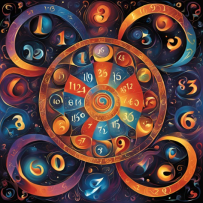
    Das Numerogramm ist ein Werkzeug, das in der Numerologie verwendet wird, um die tieferen Aspekte der Persönlichkeit, der Lebenswege und der Seelenaufgaben eines Menschen zu erkennen. Numerologie ist die Lehre von den symbolischen Bedeutungen der Zahlen und deren Einfluss auf das Leben und die Persönlichkeit eines Individuums. Ein Numerogramm basiert auf der Berechnung und Interpretation von Zahlen, die aus dem Geburtsdatum und dem Namen abgeleitet werden. Es wird oft als ein spirituelles oder esoterisches System angesehen, das zur Selbsterkenntnis und zur persönlichen Entwicklung beiträgt.

    Was ist ein Numerogramm?

    Ein Numerogramm ist eine grafische oder numerische Darstellung, die aus den Zahlen einer Person berechnet wird. Es gibt verschiedene Systeme in der Numerologie, aber im Allgemeinen konzentriert sich das Numerogramm auf Zahlen wie:

    • Lebenszahl (auch Lebenswegzahl genannt): Diese wird aus dem Geburtsdatum berechnet und steht für den grundlegenden Lebensweg, die Herausforderungen und die Ziele im Leben.
    • Schicksalszahl (oder Namenszahl): Diese wird aus den Buchstaben des Namens berechnet und zeigt die Fähigkeiten, Potenziale und Charakterzüge einer Person.
    • Seelenzahl: Diese Zahl drückt aus, was jemand tief in seinem Inneren fühlt und wie er seine spirituellen Bedürfnisse versteht.
    • Persönlichkeitszahl: Diese Zahl repräsentiert das äußere Bild, das eine Person in der Welt projiziert, wie sie von anderen gesehen wird.
    • Schicksalszyklen und Lebenslektionen: Diese Zahlen helfen, die großen Themen und Lektionen in verschiedenen Phasen des Lebens zu verstehen.

    Die Rolle des Numerogramms bei der Selbsterkenntnis

    Das Numerogramm hilft einem Menschen dabei, seine verborgenen Potenziale, Stärken, Schwächen und Lebensaufgaben zu erkennen. Es bietet eine strukturierte Möglichkeit, Aspekte der eigenen Persönlichkeit zu reflektieren und zu verstehen. Hier sind einige Möglichkeiten, wie das Numerogramm zur Selbsterkenntnis beitragen kann:

    1. Erkennen des Lebenswegs: Durch die Berechnung der Lebenszahl kann eine Person tiefe Einsichten in ihre Lebensaufgabe und die Richtung erhalten, in die ihr Leben gehen soll. Es hilft, größere Lebensentscheidungen zu reflektieren und das Schicksal besser zu verstehen.
    2. Verstehen der eigenen Persönlichkeit: Die Schicksals- und Seelenzahl geben Aufschluss über die inneren und äußeren Aspekte der Persönlichkeit. Sie können auf die tiefen Bedürfnisse hinweisen, die eine Person im Inneren verspürt, und gleichzeitig auf das Bild, das sie der Außenwelt zeigt.
    3. Bewältigung von Herausforderungen: Durch das Verständnis der numerologischen Muster kann eine Person lernen, wie sie mit Herausforderungen und Hindernissen in ihrem Leben umgehen soll. Die Erkenntnis bestimmter karmischer Lektionen oder wiederkehrender Muster hilft dabei, bewusstere Entscheidungen zu treffen.
    4. Entwicklung der Intuition und Spiritualität: Ein Numerogramm kann helfen, den Kontakt mit der eigenen Intuition und den spirituellen Bedürfnissen zu fördern. Zahlen, die spirituell bedeutsam sind, können Hinweise auf die spirituelle Reise einer Person geben und dabei unterstützen, tiefere Verbindungen zu entwickeln.
    5. Förderung von Beziehungen: Die Kenntnis der eigenen Zahlen und der Zahlen anderer Menschen kann helfen, Beziehungen zu verstehen und zu verbessern. Man kann lernen, warum bestimmte Menschen bestimmte Rollen im eigenen Leben spielen und wie man harmonischer mit anderen interagieren kann.
    6. Selbstakzeptanz und Wachstum: Das Numerogramm zeigt nicht nur Stärken, sondern auch Schwächen und Herausforderungen. Diese Erkenntnisse können helfen, sich selbst besser zu akzeptieren und bewusst an der eigenen Entwicklung zu arbeiten.

    Beispiele für die Bedeutung bestimmter Zahlen

    Jede Zahl im Numerogramm hat eine eigene Bedeutung, die mit bestimmten Persönlichkeitsmerkmalen, Talenten und Herausforderungen verbunden ist. Hier einige Beispiele:

    • Zahl 1: Diese Zahl steht für Unabhängigkeit, Führung, Selbstvertrauen und Durchsetzungsvermögen. Menschen mit der Zahl 1 neigen dazu, Pioniere und Initiatoren zu sein, aber sie müssen möglicherweise an Egoismus und Impulsivität arbeiten.
    • Zahl 2: Die Zahl 2 steht für Kooperation, Diplomatie und Sensibilität. Personen mit dieser Zahl sind oft gute Vermittler und arbeiten gerne im Team, können aber auch dazu neigen, Konflikte zu vermeiden und unsicher zu sein.
    • Zahl 3: Kreativität, Ausdruck und Kommunikation sind die Hauptthemen der Zahl 3. Menschen mit dieser Zahl sind oft künstlerisch veranlagt und genießen soziale Interaktionen. Sie können jedoch an Zerstreutheit oder mangelnder Disziplin leiden.
    • Zahl 4: Stabilität, Ordnung und Fleiß sind mit der Zahl 4 verbunden. Diese Menschen schätzen Struktur und Arbeitsethik, können aber manchmal zu rigide oder starr in ihrem Denken sein.
    • Zahl 5: Die Zahl 5 steht für Freiheit, Abenteuer und Wandel. Menschen mit dieser Zahl lieben es, neue Erfahrungen zu machen und ihre Freiheit zu genießen, neigen jedoch manchmal zu Unbeständigkeit oder Rastlosigkeit.
    • Zahl 6: Verantwortung, Fürsorge und Harmonie sind die Themen der Zahl 6. Diese Personen sind oft familienorientiert und darauf bedacht, anderen zu helfen, können aber auch zu Überverantwortung neigen.
    • Zahl 7: Spiritualität, Intuition und Weisheit sind die Kernaspekte der Zahl 7. Menschen mit dieser Zahl suchen oft nach tieferen Wahrheiten und neigen zur Selbstreflexion, können jedoch manchmal zu introvertiert oder distanziert wirken.
    • Zahl 8: Macht, Autorität und materielle Erfolge sind mit der Zahl 8 verbunden. Diese Menschen streben oft nach Erfolg und Kontrolle, müssen jedoch lernen, wie sie mit Macht und Verantwortung umgehen.
    • Zahl 9: Die Zahl 9 steht für Mitgefühl, Altruismus und Humanität. Menschen mit dieser Zahl haben oft den Wunsch, der Menschheit zu dienen und Gutes zu tun, können jedoch an Idealismus oder Selbstaufopferung leiden.

    Das Numerogramm als Weg zur Selbsterkenntnis

    Das Numerogramm bietet ein tiefgehendes Verständnis über die eigene Persönlichkeit und Lebensziele. Es ist ein Werkzeug zur Reflexion, das Menschen dabei unterstützt, bewusster zu leben, ihre Stärken und Schwächen zu erkennen und Harmonie in ihrem Leben zu schaffen. Die Numerologie und das Numerogramm können eine Ergänzung zu anderen Wegen der Selbsterkenntnis und persönlichen Entwicklung sein, indem sie einen einzigartigen Einblick in die symbolische Welt der Zahlen bieten.

  • Krafttiere im Schamanismus

    Krafttiere im Schamanismus

    Krafttiere im Schamanismus sind spirituelle Wesen oder Tiergeister, die in vielen schamanischen Traditionen als Beschützer, Führer und Lehrer betrachtet werden. Diese Tiere stehen für bestimmte Qualitäten und Energien, die den Menschen auf ihrem Lebensweg unterstützen. Der Glaube an Krafttiere ist tief in der schamanischen Praxis verwurzelt, besonders bei indigenen Kulturen auf der ganzen Welt, von den nordamerikanischen Ureinwohnern bis zu den sibirischen und südamerikanischen Schamanen.

    Was sind Krafttiere?

    Krafttiere sind symbolische Repräsentationen von Eigenschaften, die ein Mensch in seinem Leben braucht oder bereits besitzt. Sie können auf unterschiedliche Weise in das Leben eines Individuums treten:

    • Als spirituelle Führer: Sie helfen bei der Navigation durch schwierige Lebenssituationen oder Übergänge und unterstützen bei der Heilung und Transformation.
    • Schutz und Begleitung: Krafttiere beschützen den spirituellen Körper, stärken den physischen Körper und verleihen emotionale Stabilität.
    • Verbindung zur Natur: Im Schamanismus gilt die gesamte Natur als beseelt, und Tiere haben spezifische Energien und Weisheiten, die sie dem Menschen durch ihre Anwesenheit und ihre Symbolik mitteilen.

    Wie manifestieren sich Krafttiere?

    Krafttiere können durch verschiedene Arten und Weisen zu einem Menschen kommen, darunter:

    1. Träume: Tiere, die in Träumen erscheinen, können Botschaften übermitteln oder als spirituelle Führer auftreten.
    2. Schamanische Reisen: In der schamanischen Praxis begeben sich Menschen oft in Trancezustände, um auf eine „Reise“ in die spirituelle Welt zu gehen. Auf diesen Reisen können sie auf ihr Krafttier treffen, das ihnen Botschaften übermittelt oder sie auf ihrer Reise begleitet.
    3. Im alltäglichen Leben: Wenn ein bestimmtes Tier immer wieder in das Leben einer Person tritt (ob physisch oder symbolisch), kann dies ein Zeichen sein, dass dieses Tier eine besondere spirituelle Verbindung oder Bedeutung für die Person hat.
    4. Meditation und Visualisierungen: In vielen schamanischen Traditionen wird die Meditation genutzt, um sich mit dem eigenen Krafttier zu verbinden. In der Meditation können Menschen ihre innere Weisheit anzapfen und entdecken, welches Tier ihre Energie widerspiegelt.

    Die Bedeutung verschiedener Krafttiere

    Jedes Tier hat eine spezifische Bedeutung und trägt besondere Energien, die dem Menschen auf seinem Weg helfen können. Hier einige Beispiele für Krafttiere und ihre symbolischen Bedeutungen:

    • Wolf: Der Wolf steht oft für Führungsstärke, Loyalität und den Wert der Gemeinschaft. Er kann als Lehrer und Beschützer auftreten und hilft Menschen, sich mit ihrem inneren Rudel oder ihrer spirituellen Familie zu verbinden.
    • Adler: Der Adler symbolisiert Weisheit, Freiheit und Klarheit. Er fliegt hoch am Himmel und hat daher eine erweiterte Perspektive. Als Krafttier hilft der Adler, den Überblick zu behalten, größere Ziele zu verfolgen und spirituelle Freiheit zu erlangen.
    • Bär: Der Bär steht für Stärke, Mut und Heilung. Er wird oft als Beschützer und Heiler angesehen. Menschen, die sich mit dem Bären verbinden, lernen, innere Kraft zu entwickeln und Heilung durch innere Reflexion zu finden.
    • Schlange: Die Schlange steht für Transformation, Heilung und spirituelle Erneuerung. Da sie ihre Haut abstreift, symbolisiert sie den Prozess der Verwandlung und der Erneuerung des Lebens.
    • Pferd: Das Pferd steht für Freiheit, Reise und Abenteuer. Es verkörpert die Kraft, Hindernisse zu überwinden, und die Fähigkeit, auf der Reise des Lebens voranzukommen.
    • Eule: Die Eule ist ein Symbol der Weisheit und des Wissens. Sie kann uns dabei helfen, tiefere Wahrheiten zu erkennen und verborgene Informationen ans Licht zu bringen. Menschen mit der Eule als Krafttier haben oft eine starke Intuition.

    Wie man sein Krafttier findet

    Es gibt verschiedene schamanische Praktiken, um das eigene Krafttier zu finden:

    1. Schamanische Reise: In einer schamanischen Reise, oft begleitet von Trommeln oder Rasseln, begibt sich die Person in einen veränderten Bewusstseinszustand, um in die „untere Welt“ zu reisen, wo sie ihr Krafttier treffen kann.
    2. Traumdeutung: Auf die Träume zu achten, besonders wenn ein Tier immer wieder erscheint, kann ein Zeichen dafür sein, dass dieses Tier als spiritueller Führer wirkt.
    3. Meditation: Eine geführte Meditation, in der man sich vorstellt, in eine friedliche, natürliche Umgebung einzutreten und dort auf ein Tier zu treffen, kann helfen, das eigene Krafttier zu entdecken.
    4. Rituale und Zeremonien: Schamanische Rituale, die oft unter der Anleitung eines erfahrenen Schamanen durchgeführt werden, können auch dabei helfen, das Krafttier zu finden und sich mit ihm zu verbinden.

    Die Rolle des Krafttiers im Leben

    Sobald jemand sein Krafttier entdeckt hat, wird es oft als ständiger Begleiter gesehen. Es kann in schwierigen Zeiten herbeigerufen werden, um Stärke, Schutz oder Klarheit zu bieten. Viele Schamanen glauben, dass das Krafttier einem Menschen hilft, seine innere Energie zu verstehen und diese in Harmonie mit den Kräften der Natur zu bringen.

    • Schutz: Ein Krafttier kann als eine Form des Schutzes gegen negative Energien oder Einflüsse wirken. Es stärkt den physischen und emotionalen Körper und hilft dabei, negative Energien abzuwehren.
    • Führung und Weisheit: Krafttiere helfen dabei, wichtige Lebenslektionen zu lernen, indem sie ihre spezifischen Eigenschaften vermitteln, wie Mut, Geduld oder Anpassungsfähigkeit.
    • Selbstverwirklichung: Krafttiere unterstützen Menschen dabei, sich selbst besser zu verstehen und ihre wahren Fähigkeiten zu entfalten.

    Krafttiere spielen im Schamanismus eine zentrale Rolle, indem sie als Brücke zwischen der physischen und der spirituellen Welt dienen. Sie helfen dabei, persönliche Kraft, Weisheit und spirituelle Einsicht zu gewinnen. In vielen Kulturen ist die Verbindung zu einem Krafttier nicht nur eine spirituelle Erfahrung, sondern auch eine Form der Selbstentdeckung und Heilung.

  • Life of Pythagora

    Life of Pythagora

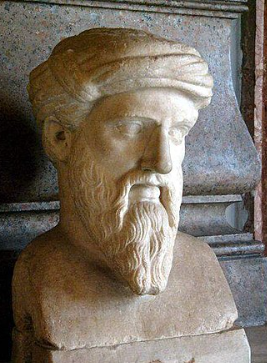
    Pitagora (c. 570–495 BCE) was an ancient Greek philosopher and mathematician, best known for his contributions to mathematics, particularly the Pythagorean theorem, as well as his influence on Western philosophy, science, and spirituality. He is considered one of the most significant figures in the pre-Socratic period, and his ideas shaped both the intellectual and esoteric traditions in Europe for centuries. Here’s an overview of his life, work, and legacy:

    1. Life of Pythagora

    • Early Life: Pitagora was born on the island of Samos, located in the Aegean Sea, around 570 BCE. He traveled extensively in his youth, visiting Egypt, Babylon, and possibly India, where he studied mathematics, astronomy, music, and religious rites.
    • Foundation of the Pythagorean School: Around 530 BCE, he moved to Croton in southern Italy, where he founded the Pythagorean school, a religious and philosophical community that sought to combine science, spirituality, and morality. The school functioned like a brotherhood, with strict rules about personal behavior, including dietary restrictions (vegetarianism) and a focus on asceticism.
    • The Pythagorean Brotherhood: Pitagora’s followers were divided into two groups: the mathematikoi (those who studied mathematics and scientific disciplines) and the akousmatikoi (those who focused on the religious and mystical aspects). Members of the Pythagorean Brotherhood followed communal living practices and adhered to a code of secrecy, contributing to the air of mystery surrounding Pitagora’s teachings.

    2. Mathematical Contributions

    • Pythagorean Theorem: Pitagora is most famous for the Pythagorean Theorem, a fundamental principle in geometry that states the square of the hypotenuse (the side opposite the right angle) of a right triangle is equal to the sum of the squares of the other two sides. Mathematically, this is expressed as a2+b2=c2a^2 + b^2 = c^2. Although this principle was likely known to the Babylonians before him, Pitagora’s school provided formal proof and made it central to their mathematical studies.
    • Numbers as the Foundation of the Universe: Pythagora and his followers believed that numbers were the fundamental principle underlying the universe. They held that everything in the world could be explained and understood through numbers and mathematical relationships. This idea had a profound influence on later thinkers and contributed to the development of the field of numerology.
    • Numerical Mysticism: Pitagora viewed numbers as having both mathematical and mystical significance. He associated certain numbers with specific virtues and qualities, such as harmony, justice, and balance. For example, the number 10 was considered the most sacred, representing the Tetractys (a triangular figure made up of ten dots arranged in four rows), which symbolized the unity of space and time.

    3. Philosophical and Spiritual Beliefs

    • Harmony and Music: Pythagora is credited with discovering the mathematical relationships that underlie musical harmony. He realized that the intervals between harmonious sounds could be expressed as simple numerical ratios. This led to the idea that the cosmos itself was governed by a kind of mathematical harmony, sometimes referred to as the „music of the spheres.“
    • Transmigration of Souls: Pitagora was a strong proponent of the idea of metempsychosis, or the transmigration of souls, which is the belief in reincarnation and the immortality of the soul. He believed that the soul passed through cycles of reincarnation, taking on different bodies in each life, and that through spiritual purification, one could escape this cycle.
    • Philosophy of Dualism: Pitagora’s teachings often emphasized dualistic ideas, such as the opposition between the finite and the infinite, light and dark, or good and evil. This dualism became an influential concept in later philosophical and spiritual systems.

    4. Influence and Legacy

    • Impact on Western Philosophy: Pythagora’s ideas deeply influenced later philosophers, especially Plato and Aristotel, and played a role in the development of Platonism and Neoplatonism. Plato’s theory of Forms and his belief in the abstract reality of numbers were likely influenced by Pythagorean thought.
    • Mathematics and Science: Pythagora laid important foundations for the study of mathematics and astronomy. His emphasis on logic, proportion, and harmony inspired future generations of mathematicians and scientists.
    • Esoteric and Mystical Traditions: Pitagora’s blending of science, mathematics, and spirituality contributed to the rise of esoteric and mystical traditions in Western thought. His ideas on reincarnation, numerology, and the connection between numbers and the cosmos influenced movements like Hermeticism and Alchemy, as well as later thinkers in the Renaissance.
    • Symbolic Legacy: Many symbols and concepts associated with Pythagora, such as the Pentagram (a symbol used by the Pythagoreans), have persisted in various philosophical, religious, and occult traditions.

    5. Myths and Mysticism

    Due to the secretive nature of the Pythagorean Brotherhood, many myths and mystical stories have arisen around Pythagora:

    • Supernatural Powers: Some ancient sources claim that Pitagora had supernatural abilities, such as the power to communicate with animals or control natural phenomena. These accounts are likely exaggerated, reflecting the reverence in which his followers held him.
    • Mystical Numbers: Pitagora and his followers assigned mystical properties to numbers. For example, the number 3 was considered the number of harmony and wisdom, while the number 4 represented justice.
    • The Tetractys: The Tetractys, a sacred symbol to the Pythagoreans, represented the sum of the first four numbers (1+2+3+4 = 10) and was considered to hold deep metaphysical meaning. It was seen as a symbol of the structure of the universe and the divine order.

    6. Death and Legacy

    Pythagora’s death is shrouded in mystery. One story suggests he died after a political conflict in Croton, while another claims he fled and spent his final years in exile. Despite his death, his ideas lived on through his followers and the Pythagorean Brotherhood, which continued to thrive for centuries

    Pythagora remains one of the most influential figures in the history of philosophy, mathematics, and mysticism. His blending of rational thought with spirituality laid the groundwork for many future developments in Western thought. His mathematical discoveries, particularly the Pythagorean theorem, remain central to modern mathematics, while his philosophical and spiritual teachings continue to inspire those seeking to understand the deeper nature of reality through the lens of harmony, proportion, and number.

  • Being a shaman…

    Being a shaman…

    Being a shaman often means being called to a path of healing, connection, and guidance, whether that call comes from within, from nature, or from spiritual experiences. Here are some possible reasons why you identify as a shaman:

    1. A Calling to Serve and Heal

    • Many shamans feel a deep, almost inevitable call to help others heal—physically, emotionally, and spiritually. This desire often transcends personal will and feels more like a vocation than a choice. You may find that you are naturally drawn to people who need healing or clarity in their lives.
    • Shamans are often seen as mediators between the physical and spiritual realms, and your journey may involve working with unseen energies, guiding people through transitions, and assisting in spiritual awakenings.

    2. Connection to Nature and Spirits

    • Shamans often have a profound connection to nature, animals, plants, and the elements. You may feel a deep relationship with the earth and the natural world, sensing its energies and wisdom. This connection could have led you to work with plant medicine, crystals, or animal spirits, recognizing them as teachers and allies.
    • A shaman’s relationship with the spirit world is central. You may find that you are able to communicate with spirits, ancestors, or other energies, receiving guidance or messages. This connection often involves learning to navigate altered states of consciousness or traveling through non-ordinary realities.

    3. Wisdom Through Challenges

    • Many shamans undergo significant personal challenges or crises—emotional, physical, or spiritual—that serve as initiation. Often referred to as a „wounded healer,“ your own journey through pain, loss, or illness might have given you unique insights into suffering, resilience, and transformation.
    • These challenges may have sparked your spiritual awakening, forcing you to confront deeper truths about existence and your role in the world. Through overcoming them, you’ve developed the tools and wisdom necessary to help others on their path.

    4. Ability to See Beyond the Ordinary

    • Shamans often possess the ability to perceive the world in a non-linear, non-ordinary way. You might find that you have an enhanced intuition, the ability to feel energy, or a capacity for clairvoyance or other psychic abilities. You may experience visions, dreams, or insights that connect you to the spirit world.
    • This heightened awareness allows you to see the underlying energetic patterns that shape reality. Shamans can identify the root causes of imbalance or disharmony, whether they manifest in a person, a community, or the natural environment.

    5. Guiding Others Through Transformations

    • As a shaman, your role is to guide people through their own transformation and healing processes. This may involve:
      • Soul retrieval: Helping individuals recover lost or fragmented aspects of their soul.
      • Energy healing: Clearing blockages, balancing chakras, and restoring harmony to the energy body.
      • Ceremonies and rituals: Performing rituals for cleansing, protection, empowerment, or connection to spiritual forces.
      • Journeying: Leading others on shamanic journeys to connect with their spirit guides, power animals, or ancestral wisdom.

    6. Bridging Worlds

    • Shamans are seen as bridges between the human and the divine, the material and the spiritual. Your ability to move between these realms allows you to facilitate healing, provide spiritual insight, and offer guidance to those who seek it.
    • Whether it’s through ceremony, ritual, or simple conversation, shamans offer a unique perspective that helps people reconnect with their inner selves, their environment, and the greater mysteries of the universe.

    7. Ancestral or Cultural Connection

    • You may have an ancestral connection to shamanism, whether through your family lineage or through a deep resonance with a specific tradition. Many shamans feel a strong pull toward ancient practices, mythologies, or spiritual systems that align with their soul’s purpose.
    • Alternatively, your calling could be to a modern form of shamanism, adapted to the challenges and needs of today’s world, while still honoring the wisdom of ancient traditions.

    8. Spiritual Awakening

    • A deep spiritual awakening may have led you to the path of shamanism, where you realized the interconnectedness of all life. You may have experienced profound shifts in consciousness, synchronicities, or mystical experiences that affirmed your role as a healer and spiritual guide.
    • These experiences often bring with them an expanded awareness of oneness and the energetic nature of existence, compelling you to help others awaken to their own spiritual truths.

    Being a shaman is not just about taking on a role—it’s about embodying a deep, spiritual path of healing, guidance, and connection. It often comes with responsibilities to yourself, others, and the world, as well as a commitment to continually grow and learn from both the visible and invisible realms. Whether through ceremony, energy work, spirit communication, or simply through holding space for others, shamans serve as guardians of the balance between the spiritual and material worlds.

    If you are a shaman, it is likely because you have felt called to this path by forces greater than yourself, driven by a desire to heal, transform, and help others on their journey through life.

  • Munay Ki – Încărcarea benzilor de putere

    Munay Ki – Încărcarea benzilor de putere

    Munay Ki este un sistem de inițiere șamanică bazat pe tradițiile vechi ale popoarelor andine, mai ales cele din cultura Q’ero din Peru. Munay Ki înseamnă „puterea iubirii“ sau „iubire universală“, și este adesea considerat un mod de a primi împuterniciri energetice printr-o serie de ceremonii și ritualuri care activează și transformă energia personală și relația individului cu lumea din jurul său.

    Benzi de putere în Munay Ki

    Una dintre inițierile din Munay Ki este numită ritualul benzilor de putere. Acest ritual ajută la protejarea și armonizarea câmpului energetic personal. Aceste „benzi“ sunt cinci centuri energetice de lumină care corespund celor cinci elemente:

    1. Pământ (Negru)
    2. Apă (Roșu)
    3. Foc (Alb)
    4. Aer (Argintiu)
    5. Lumină pură (Éter) (Auriu)

    Aceste benzi sunt plasate energetic în jurul corpului, creând un scut protector care protejează împotriva energiilor negative și ajută la integrarea energiei cosmice și a energiei pământului în viața de zi cu zi.

    Încărcarea benzilor de putere

    Încărcarea benzilor de putere se referă la activarea și întărirea acestora pentru a oferi o protecție energetică mai puternică și pentru a permite un flux mai liber al energiilor în viața ta.

    Pașii de bază pentru încărcarea benzilor de putere:

    1. Centrarea și relaxarea: Găsește un loc liniștit unde poți medita. Închide ochii și începe prin a te relaxa. Fii conștient de respirația ta și permite-ți să intri într-o stare de calm și liniște.
    2. Conectarea cu Pământul și Cosmosul: Imaginează-ți că ești conectat prin picioare la energia pământului, care îți oferă stabilitate și putere. În același timp, imaginează-ți un fir luminos care te leagă de energia cosmosului, aducând claritate și lumină.
    3. Vizualizarea benzilor de putere:
      • Imaginează-ți că primești fiecare dintre cele cinci benzi energetice care înconjoară corpul tău.
      • Începe cu banda neagră, care simbolizează Pământul. Vizualizează această bandă energetică în jurul taliei tale, oferind stabilitate și protecție.
      • Apoi treci la banda roșie, care simbolizează Apa, înfășurându-ți zona pieptului și oferindu-ți flexibilitate emoțională și curgere.
      • Urmează banda albă, simbolizând Focul, care înconjoară zona gâtului tău, aducând transformare și energie.
      • Banda argintie, simbolizând Aerul, înconjoară capul tău, oferind claritate mentală și înțelepciune.
      • În cele din urmă, banda aurie de Lumină pură (Éter) învăluie tot corpul tău, aducându-ți o protecție și conectare directă cu spiritul.
    4. Activarea și încărcarea benzilor:
      • După ce ai vizualizat toate benzile, poți începe procesul de încărcare a acestora. Respiră adânc și, pe măsură ce inspiri, imaginează-ți că aceste benzi absorb energia Pământului și a Cosmosului. Pe măsură ce expiri, vizualizează cum aceste benzi devin din ce în ce mai puternice și mai strălucitoare.
      • Poți folosi mantre sau afirmații pentru a sprijini această activare, cum ar fi: „Sunt protejat/ă și împuternicit/ă de lumina pură a Pământului și a Universului”.
      • Simte cum energia din aceste benzi îți umple corpul cu forță vitală și protecție divină.
    5. Ritualul de încheiere:
      • După ce ai încărcat benzile, mulțumește energiei Pământului și a Cosmosului pentru sprijinul oferit.
      • Apoi, rămâi câteva momente în liniște, simțind protecția și energia acestor benzi. Știi că ele sunt active și te protejează în fiecare zi, permițându-ți să te miști prin lume cu mai multă încredere și echilibru.

    Beneficiile încărcării benzilor de putere

    • Protecție energetică: Aceste benzi de putere formează un scut natural în jurul tău, împiedicând energiile negative să îți afecteze câmpul energetic.
    • Echilibrare și armonizare: Fiecare bandă corespunde unui element din natură, iar activarea lor te ajută să rămâi în armonie cu energiile naturale ale Pământului și Cosmosului.
    • Conștientizare și claritate: Activarea benzilor te ajută să rămâi prezent și conștient de energiile din jurul tău, oferindu-ți claritate mentală și emoțională.
    • Împământare și stabilitate: Banda Pământului, în special, oferă o senzație de stabilitate și siguranță, permițându-ți să te simți împământat în realitatea ta cotidiană.

    Cum să integrezi acest ritual în viața de zi cu zi

    Încărcarea benzilor de putere este un ritual simplu care poate fi practicat zilnic sau ori de câte ori simți nevoia de protecție și armonizare. Prin menținerea acestei practici, vei observa o îmbunătățire a energiei personale, o mai mare stabilitate emoțională și o protecție împotriva energiilor negative din jurul tău.

    Această practică poate fi deosebit de valoroasă pentru cei care lucrează într-un mediu stresant sau pentru cei care simt că sunt afectați de energiile altor persoane. Practica constantă a acestui ritual îți va întări câmpul energetic și te va ajuta să rămâi centrat și puternic în fața provocărilor.

    Ritualul benzilor de putere din Munay Ki este o metodă profundă de a cultiva protecție, echilibru și conexiune spirituală, permițându-ți să îți dezvolți o legătură mai profundă cu natura și energiile universale. Este o practică care îți aduce mai multă claritate, siguranță și încredere în calea ta spirituală.

    Mai multe detalii despre sistem:

    https://simonneelle.de/home/shop/munay-ki-the-rite-of-the-shamans-path-from-alberto-villoldo/

  • Theft of energy, power, angels, spiritual entities – consequences

    Theft of energy, power, angels, spiritual entities – consequences

    The theft of energy or power from others—whether from people, angels, spiritual entities, or other sources—raises profound ethical and spiritual issues. Such actions often stem from a desire for control, dominance, or power, but they can have severe consequences for both the person engaging in the theft and the energies/entities being targeted.

    1. Ethical and Spiritual Violations

    Attempting to take energy or power from others—whether they are human beings, angels, or other spiritual entities—is often seen as a violation of free will and spiritual laws in many traditions. Spiritual growth is meant to happen through alignment with the universal flow of energy, self-mastery, and cooperation with higher forces, not through manipulation or coercion.

    • Karmic consequences: Many belief systems propose that trying to manipulate or steal energy from others brings about negative karmic repercussions. This can manifest in various ways, such as spiritual blockages, setbacks in personal growth, or difficult life experiences that mirror the harm done to others.
    • Disturbing universal balance: Energy and power exist in a delicate balance within the spiritual universe. Attempting to take what does not belong to you can upset this balance, leading to chaos not only in the spiritual realm but also in your personal life, relationships, and mental state.

    2. Impact on Personal Spiritual Growth

    One of the primary consequences of trying to steal energy or power from others is the stagnation or regression of your own spiritual growth. Instead of evolving through authentic spiritual practices like meditation, self-reflection, and connection with higher forces, the desire to steal energy reflects a reliance on external sources.

    • Loss of spiritual autonomy: By attempting to take energy from others, you may unintentionally lose your own spiritual sovereignty, making yourself vulnerable to the energies you are trying to manipulate. Instead of gaining power, the person engaging in this behavior might become subject to influences that they cannot control or fully understand.
    • Blockages and limitations: When you engage in the theft of energy, it creates blockages in your energy field and aura. Over time, this can manifest as feelings of heaviness, confusion, or lack of direction, as well as emotional or mental instability.

    3. Consequences of Trying to Control Angels or Spiritual Entities

    Attempting to control or bind higher beings such as angels, spirit guides, or other spiritual entities for personal gain is considered dangerous in many spiritual traditions. These beings exist to aid, guide, and support, not to be manipulated or used as servants.

    • Angelic interference: Angels are beings of light who operate according to divine will. Trying to control or steal power from them is likely to result in their withdrawal from your energy field, leaving you spiritually isolated and without the guidance and protection they would normally offer. Additionally, some traditions believe that angels will actively work against those who try to manipulate them, leading to spiritual consequences such as challenges in your life path.
    • Attracting negative entities: When you try to bind or control spiritual forces, you may inadvertently open yourself up to darker energies or lower-vibrational entities. These entities thrive on manipulation and deception, and they could take advantage of your desire for control, potentially causing harm or spiritual disruption.

    4. Energetic Vampirism and Its Consequences

    The act of stealing energy from other people—often referred to as energetic vampirism—is when someone depletes another person’s life force, either consciously or unconsciously. This may happen in relationships, friendships, or any context where power dynamics are at play.

    • Draining relationships: Energetic theft leads to unhealthy and imbalanced relationships. Over time, the person who is consistently drained of their energy will begin to feel exhausted, anxious, or depressed. In turn, the energy thief often becomes addicted to the energy they siphon from others, leading to codependent relationships that are toxic and unsustainable.
    • Physical and emotional health issues: Both the victim and the person stealing energy may suffer physically and emotionally. Victims often feel tired, anxious, or depleted, while the energy thief may experience physical or emotional instability. The constant need for external energy can lead to spiritual emptiness or a feeling of being disconnected from one’s true self.

    5. Deception and False Power

    The energy or power stolen from others is not sustainable in the long term. While there may be an initial rush or sense of empowerment, this is often followed by a sense of emptiness or increased instability.

    • False sense of empowerment: The power gained through manipulation or theft is an illusion. It is not true personal power, which comes from inner alignment and spiritual integrity. Over time, those who rely on stealing energy will find that their spiritual power diminishes, leaving them feeling weak or vulnerable.
    • Backlash and spiritual retribution: In many spiritual traditions, there is a belief that the universe has a way of balancing out such actions. People who take energy or power from others may eventually experience a backlash, where the energy they have stolen is stripped away, or they experience spiritual retribution in the form of difficulties, setbacks, or suffering.

    6. Solutions and Pathways to True Power

    Instead of seeking to take power or energy from others, the spiritual path encourages people to seek self-mastery and authentic empowerment through their own practices and connection to the divine.

    • Healing and self-reflection: If someone has engaged in energy theft or manipulation, it is crucial to begin a process of self-reflection and healing. Understanding the root causes of why they sought external power (such as feelings of insecurity, fear, or lack of control) can help them address these issues internally rather than externally.
    • True spiritual empowerment: True power comes from developing a deep connection with your own spirit, higher self, and divine forces. Practices such as meditation, mindfulness, and energy healing can help individuals reconnect with their own source of power, leading to lasting inner strength.
    • Respect for others‘ sovereignty: Learning to respect the boundaries and spiritual autonomy of others is crucial. Instead of seeking to control or manipulate energies, spiritual growth involves honoring free will and the sacredness of each being’s path.

    Attempting to steal energy or power from others—whether from humans, angels, or spiritual entities—results in both immediate and long-term consequences. On an ethical and spiritual level, this behavior disrupts the natural balance and leads to a cycle of manipulation, false empowerment, and spiritual disconnection. True spiritual evolution is about cultivating inner strength, healing, and authentic empowerment through cooperation with higher forces, respect for others, and alignment with universal principles. The consequences of stealing energy can manifest in blockages, karmic repercussions, emotional instability, and disconnection from one’s higher self, making the pursuit of genuine power and self-awareness all the more essential.

  • Reiki in Treating Mental Illness

    Reiki in Treating Mental Illness

    Reiki is an ancient Japanese healing practice that aims to balance the body’s energy, promote relaxation, and reduce stress. While Reiki is not a replacement for conventional mental health treatment, it is sometimes used as a complementary therapy for those experiencing mental illnesses such as depression, anxiety, PTSD, and other stress-related conditions.

    How Reiki Works in Mental Health Support

    Reiki practitioners believe that energy, or „ki“ (also known as „chi“ in Chinese and „prana“ in Indian traditions), flows through the body. When this energy is balanced and flows freely, individuals experience mental, emotional, and physical health. However, blockages or imbalances in energy can lead to mental and emotional distress.

    During a Reiki session, a practitioner places their hands lightly on or just above the client’s body, channeling healing energy. The idea is that this process helps to clear energy blockages, restore balance, and promote emotional and physical healing.

    Benefits of Reiki in Treating Mental Illness

    While scientific evidence supporting Reiki for mental health is limited, many individuals report positive effects when Reiki is used alongside traditional treatment. The potential benefits include:

    1. Reduction of Stress and Anxiety

    • Reiki helps induce a deep state of relaxation, which can lower stress levels and reduce anxiety symptoms. By calming the mind and body, it allows individuals to step back from their worries and find emotional balance.

    2. Emotional Release and Healing

    • Reiki is often associated with emotional cleansing. Many people feel a release of stored emotions during or after a session, allowing them to process feelings that may contribute to their mental health issues.

    3. Increased Feelings of Well-Being

    • Those who receive Reiki frequently report feeling more balanced, grounded, and at peace. Reiki can help uplift the mood, providing relief from feelings of sadness or depression, and create an overall sense of well-being.

    4. Improved Sleep

    • Mental health conditions such as anxiety and depression can severely disrupt sleep patterns. Reiki’s relaxation effects can lead to better sleep quality, which is essential for emotional and psychological recovery.

    5. Complementary to Other Therapies

    • Reiki can complement traditional therapy such as cognitive-behavioral therapy (CBT), medication, or talk therapy. Many mental health professionals recommend mindfulness-based practices, and Reiki shares similarities with these techniques by promoting relaxation, presence, and body awareness.

    6. Support in Managing Symptoms of PTSD

    • Reiki has been used to help people who have experienced trauma and have PTSD. By promoting a state of relaxation and calm, Reiki may help reduce hyperarousal and intrusive thoughts, two key symptoms of PTSD.

    Reiki and Specific Mental Health Conditions

    Depression

    For those dealing with depression, Reiki can help provide relief by promoting relaxation, clearing negative energy, and restoring emotional balance. It is often reported that Reiki improves the overall sense of well-being, which can reduce feelings of despair and low energy.

    Anxiety

    Reiki helps people with anxiety by calming the nervous system and reducing the fight-or-flight response, which is often overactive in those with anxiety disorders. This can help alleviate physical symptoms such as rapid heart rate, tension, and insomnia.

    PTSD (Post-Traumatic Stress Disorder)

    For individuals with PTSD, Reiki sessions can provide a non-invasive and gentle healing environment. Reiki’s calming nature can help ease hypervigilance, flashbacks, and anxiety often experienced by trauma survivors. Some trauma survivors find it easier to process and heal from their experiences with Reiki as a supportive tool alongside therapy.

    Stress

    Stress is a significant contributor to mental health issues. Reiki helps individuals manage stress by creating a sense of calm and helping them focus on their bodies in the present moment, which can counteract the mental tension associated with stressful thoughts and worries.

    What to Expect in a Reiki Session for Mental Health Support

    A typical Reiki session lasts between 30 and 90 minutes and is conducted in a calm and quiet environment. The recipient lies fully clothed on a massage table or sits in a chair. The practitioner will place their hands lightly on or above the recipient’s body in various positions, including the head, shoulders, chest, and abdomen.

    • Relaxation Response: As Reiki energy flows, most people experience a deep sense of relaxation. Some people may feel warmth, tingling, or lightness, while others may simply feel calm and at peace.
    • Emotional Release: Sometimes, emotional release occurs during or after a Reiki session, such as crying or feeling a wave of emotion. This is considered a healthy part of the healing process.
    • Energy Rebalance: Practitioners believe that Reiki helps to rebalance the body’s energy, allowing the recipient to feel more aligned, emotionally centered, and peaceful after the session.

    Scientific Studies and Limitations

    The scientific evidence for Reiki as a treatment for mental illness is still emerging, and it is classified as a complementary therapy. While many people report positive effects from Reiki, more rigorous studies are needed to prove its efficacy for mental health conditions. Some studies have indicated that Reiki can:

    • Reduce anxiety and depression symptoms in various populations.
    • Promote overall relaxation and stress reduction.
    • Improve quality of life for individuals dealing with chronic illness, which may have indirect mental health benefits.

    However, Reiki should not be used as a replacement for conventional medical treatment. It works best when used alongside professional care from mental health providers, such as psychologists, psychiatrists, and therapists. Mental health conditions often require a comprehensive treatment approach, including psychotherapy, medication, and lifestyle adjustments.

    Reiki as a Complementary Therapy for Mental Health

    Reiki can be a valuable complementary therapy for individuals with mental health conditions, promoting relaxation, reducing stress, and providing emotional healing. While not a substitute for traditional mental health treatment, Reiki offers a gentle, non-invasive way to enhance well-being and support recovery from conditions like anxiety, depression, and PTSD.

    If you are considering Reiki as part of your mental health care, it’s essential to work with both a licensed mental health professional and a certified Reiki practitioner. This ensures a holistic and well-rounded approach to your healing journey.

  • Giving personal power to others…

    Giving personal power to others…

    Giving personal power to others refers to the act of allowing others to influence, control, or dictate aspects of your life, decisions, emotions, or beliefs. This happens when you prioritize external authority, opinions, or expectations over your own inner guidance and autonomy. Giving away personal power often results in feelings of helplessness, lack of control, and a disconnection from your true self. It can hinder your ability to make choices based on your own needs, desires, and beliefs, leading to a diminished sense of self-worth and confidence.

    1. What Does It Mean to Give Away Personal Power?

    Giving away personal power occurs when:

    • You allow others to define your worth: Relying on external validation from friends, family, or society to feel valuable or successful.
    • You seek approval from others: Prioritizing others’ opinions or desires over your own.
    • You avoid making decisions for yourself: Letting others make important choices for you, often out of fear or uncertainty.
    • You suppress your true feelings or beliefs: Not expressing your authentic self to avoid conflict, rejection, or criticism.
    • You ignore your intuition: Trusting others’ perspectives or advice over your inner knowing and wisdom.

    This dynamic can occur in personal relationships, workplaces, or even within social and cultural contexts, where societal expectations or norms dictate how people should live or behave.

    2. Why Do We Give Our Personal Power Away?

    Several psychological, emotional, and social factors lead people to give away their personal power:

    • Fear of rejection or abandonment: Many people give away their power because they fear losing love, approval, or acceptance from others. This fear may stem from past experiences of being rejected or abandoned when they asserted themselves.
    • Low self-esteem: If someone doesn’t believe in their own worth or capabilities, they might defer to others‘ opinions or authority, thinking they aren’t good enough to make decisions or take control of their life.
    • Conditioning and upbringing: Some people are raised to be obedient, compliant, or submissive to authority figures (such as parents, partners, or employers). This can create patterns of ceding power in adulthood, where the individual may struggle to stand up for themselves or assert their own needs.
    • People-pleasing: The desire to keep peace and avoid conflict can lead to sacrificing personal boundaries and desires. People-pleasers often put others‘ happiness above their own, neglecting their well-being.
    • Trauma or abuse: Past experiences of emotional, physical, or psychological abuse can lead individuals to give away power to avoid further harm or to maintain a sense of safety.
    • Dependency on external validation: Many people have been conditioned to seek approval from external sources—such as peers, bosses, or social media—rather than relying on their own self-worth.

    3. Consequences of Giving Away Personal Power

    Giving away personal power can have significant negative effects on emotional, mental, and spiritual well-being:

    • Loss of autonomy and control: When you give your power away, you lose the ability to shape your life according to your true desires, which can lead to feelings of frustration, helplessness, and lack of control.
    • Low self-esteem and self-worth: Over time, deferring to others for decisions or validation can erode your self-esteem, making you feel unworthy, incapable, or dependent on others for your sense of value.
    • Inability to set boundaries: When you give away your power, you may struggle to say „no“ or establish healthy boundaries, leading to burnout, emotional exhaustion, or being taken advantage of by others.
    • Stagnation in personal growth: Without asserting your own needs, desires, and boundaries, you limit your ability to grow, evolve, and learn from your experiences.
    • Emotional dependency: Relying on others for happiness, security, or validation can create unhealthy emotional attachments, making it difficult to function independently or confidently.

    4. Examples of Giving Away Personal Power

    A. In Relationships

    • Codependency: One partner may rely on the other for emotional stability, constantly seeking their approval or making decisions based on the other’s desires, rather than their own.
    • Sacrificing needs: Ignoring personal needs or desires in order to keep a relationship intact, often leading to resentment and disconnection from the self.

    B. At Work

    • Fear of confrontation: Avoiding difficult conversations with a boss or colleague, even when something is unfair or harmful, out of fear of conflict or losing the job.
    • Overcommitment: Agreeing to take on more tasks or responsibilities than is manageable, because of fear of disappointing others or being seen as inadequate.

    C. In Society

    • Conforming to societal norms: Choosing a career, lifestyle, or path that aligns with societal or familial expectations, even if it goes against personal passions or values.
    • Fear of standing out: Avoiding expressing authentic beliefs, interests, or ideas out of fear of being judged, ostracized, or misunderstood by society or peer groups.

    5. How to Stop Giving Away Your Power

    A. Build Self-Awareness

    The first step in reclaiming your power is to become aware of where and how you’ve given it away. Reflect on areas in your life where you tend to defer to others or compromise your own needs. Ask yourself:

    • Do I prioritize others’ opinions over my own?
    • Am I afraid of disappointing people if I assert myself?
    • When was the last time I made a decision based on what I wanted?

    Self-awareness allows you to recognize the patterns that hold you back.

    B. Set Boundaries

    Healthy boundaries are essential for maintaining your personal power. Boundaries help you protect your energy, time, and emotional well-being. Learn to say „no“ without guilt and communicate your needs clearly. This doesn’t mean shutting others out, but rather ensuring that you’re honoring your own limits and values.

    C. Practice Self-Validation

    Stop seeking approval from others and start validating yourself. Trust in your own judgment and capabilities, even if it means making mistakes along the way. Every time you rely on your own inner voice rather than external approval, you reinforce your personal power.

    D. Cultivate Confidence and Self-Worth

    Recognize that your worth is inherent and doesn’t depend on external validation or the approval of others. Engage in activities that boost your self-esteem, such as:

    • Self-care: Make time for activities that nurture your physical, emotional, and mental well-being.
    • Personal growth: Pursue interests or hobbies that challenge and fulfill you.
    • Affirmations: Use positive affirmations to reinforce beliefs about your worth and capabilities (e.g., „I am enough,“ „I trust myself to make good decisions“).

    E. Make Decisions Based on Your Own Values

    Instead of asking others what you should do, take time to reflect on what aligns with your values, needs, and desires. Whether it’s a career choice, a relationship decision, or a personal goal, ensure that it’s coming from your authentic self, not from pressure to conform.

    F. Reclaim Responsibility for Your Life

    Understand that you are ultimately responsible for your own happiness, success, and well-being. Blaming others or circumstances for your life choices cedes power, whereas taking responsibility reclaims it. While you may not control everything that happens to you, you do control how you respond and the choices you make moving forward.

    G. Surround Yourself with Supportive People

    Choose relationships that empower you rather than drain you. Surround yourself with people who respect your boundaries, uplift your confidence, and encourage your autonomy. Distance yourself from those who are controlling, manipulative, or dismissive of your needs.

    6. Spiritual Aspects of Personal Power

    From a spiritual perspective, reclaiming personal power is about reconnecting with your higher self, intuition, and divine purpose:

    • Aligning with your higher self: Recognize that your personal power comes from within, from the divine source or higher consciousness. By tapping into this inner wisdom, you can make decisions that reflect your true essence.
    • Trusting your intuition: Strengthen your connection with your inner voice, which always guides you toward your highest good. Trust that you have the answers within you and that your intuition is a powerful guide.
    • Reclaiming energetic sovereignty: Energetically, giving away power can deplete your life force and weaken your spiritual vitality. Practices like meditation, energy healing, or grounding exercises can help restore your energetic boundaries and empower your spirit.

    Giving away personal power can have far-reaching consequences, but it is never too late to reclaim it. By building self-awareness, setting boundaries, and trusting your inner voice, you can take back control of your life and make choices that are aligned with your true self. In doing so, you’ll cultivate confidence, autonomy, and a greater sense of purpose, living a life that is authentically yours.