Kategorie: Coperta

  • „Ich laufe weiter durch das Feuer, als hätte ich eine Wahl …“

    „Ich laufe weiter durch das Feuer, als hätte ich eine Wahl …“

    Dieser Satz klingt wie ein poetischer Ausdruck innerer Stärke, Durchhaltevermögen und vielleicht auch der Erkenntnis, dass man manchmal keine andere Wahl hat, als sich seinen Herausforderungen zu stellen. Es könnte eine Metapher für das Leben sein, für die Kämpfe, die wir durchlaufen, und für die Hindernisse, die uns im Weg stehen, während wir nach einem Ziel, einem Sinn oder einem besseren Zustand streben.

    Mögliche Bedeutungen:

    1. Die Illusion der Wahl
      Manchmal fühlen wir uns so, als wären wir gezwungen, weiterzumachen, egal wie schwer die Umstände sind. Der Glaube an die Wahl, selbst wenn es keine gibt, kann jedoch Kraft geben.
    2. Feuer als Metapher für Transformation
      Feuer ist oft ein Symbol für Reinigung, Wandel und Transformation. Durch das „Feuer zu laufen“, könnte bedeuten, durch schwierige Zeiten zu gehen, um stärker und gereinigt daraus hervorzugehen.
    3. Trotz und Entschlossenheit
      Der Satz drückt auch eine Art von Trotz aus – eine innere Haltung, die sagt: „Egal wie heiß die Flammen sind, ich werde weitermachen.“ Es ist ein Akt des Widerstands gegen das Aufgeben.
    4. Schicksal oder Selbstbestimmung?
      Der Gedanke, keine Wahl zu haben, könnte darauf hinweisen, dass es sich um eine unvermeidbare Situation handelt. Oder es könnte bedeuten, dass die Wahl längst getroffen wurde – aus einem inneren Antrieb heraus, der stärker ist als Angst oder Schmerz.

    Bezug zur Realität:

    Ob in der Liebe, im Beruf, in Krisen oder in der spirituellen Reise – wir alle stehen gelegentlich vor Situationen, in denen wir weitergehen müssen, obwohl wir vielleicht lieber stehen bleiben oder umkehren würden. Der Satz könnte uns daran erinnern, dass wir oft stärker sind, als wir denken, und dass der Weg durch das „Feuer“ uns letztendlich zu einer tieferen Erkenntnis oder Stärke führen kann.

    Fragen zur Selbstreflexion:

    • Was ist das „Feuer“, durch das du gerade läufst?
    • Hast du wirklich keine Wahl, oder scheint es nur so?
    • Welche Stärke oder Erkenntnis könntest du aus dieser Erfahrung gewinnen?

    Dieser Satz lädt zu tiefem Nachdenken ein und zeigt die Resilienz und den Mut, die in uns allen schlummern.

  • Stars, numbers predispose, human disposes…

    Stars, numbers predispose, human disposes…

    „Stars and numbers predispose; humans dispose“ captures the interplay between fate and free will, suggesting that while celestial patterns (astrology) and inherent patterns (like numerology) may set a predisposed stage, ultimately, our actions and choices shape the outcome.

    The Stars and Numbers as a Blueprint

    Stars and numbers symbolize our initial tendencies, challenges, and opportunities. In astrology, planets and constellations are said to influence aspects of our personality and inclinations, such as creativity, resilience, or introspection. Numerology similarly highlights cycles, strengths, and lessons associated with specific numbers, indicating patterns and influences that may arise throughout life.

    Human Choice as the Deciding Force

    While cosmic and numerological patterns might shape tendencies or cycles in life, human consciousness is seen as the decisive factor. Our choices can align with, resist, or transform these predispositions. For example, a challenging astrological alignment might predispose us toward conflict or upheaval, but awareness and conscious choices allow us to handle it in a constructive way, altering the predicted course.

    Interpreting the Interplay

    1. Awareness and Self-Understanding: Knowing one’s astrological and numerological influences can help anticipate challenges and strengths. For instance, someone with a numerological influence toward introspection might proactively create opportunities for reflection and growth.
    2. Active Participation: Instead of passively following the patterns „given“ by numbers or stars, actively engaging with life’s circumstances allows for change. We aren’t bound by a fixed destiny but are instead given a landscape we can navigate differently.
    3. Growth and Transcendence: Challenges or predispositions are opportunities for growth. While the stars and numbers set the stage, personal growth and consciousness determine how well we transcend or harmonize with these influences.

    This idea emphasizes that while external factors may influence us, our choices and intentions ultimately shape our lives. It’s a reminder of the potential power of self-awareness, resilience, and intention in navigating life.

  • About Hinduism, its role in spirituality

    About Hinduism, its role in spirituality

    Hinduism, one of the world’s oldest religions, is not only a rich and complex system of beliefs but also a profound spiritual tradition that emphasizes self-realization, cosmic connection, and inner peace. With its roots extending back thousands of years in the Indian subcontinent, Hinduism offers an intricate blend of philosophies, practices, and rituals aimed at understanding and experiencing the nature of existence. The role of Hinduism in spirituality is deeply influential, providing guidance on personal growth, self-discovery, and the understanding of the universe and one’s place within it.

    Here are some key aspects of Hinduism and its role in spirituality:

    1. Concept of the Divine

    • Polytheism and Monotheism in Unity: Hinduism is known for its many deities, but these gods and goddesses represent different aspects of one supreme reality, known as Brahman. Brahman is the unchanging, eternal reality, the essence of everything, encompassing all forms of existence. Hinduism views the Divine as both immanent (within all) and transcendent (beyond all), embodying unity within diversity.
    • Personal and Impersonal Worship: Hinduism encourages a personalized connection with the Divine, which can be worshipped in a variety of forms—whether through Vishnu, Shiva, Durga, or as formless Brahman. This allows individuals to connect with spirituality in a way that resonates with them personally.

    2. Karma and Dharma

    • Law of Karma: Karma refers to the universal principle of cause and effect, suggesting that actions influence future outcomes. In Hindu spirituality, karma guides individuals toward ethical and mindful living, shaping one’s spiritual journey and ensuring accountability in the cosmic order.
    • Role of Dharma: Dharma, often translated as duty or righteousness, reflects one’s responsibility to live in alignment with their truth, purpose, and role in society. Following one’s dharma harmonizes an individual with universal order, leading to fulfillment and progress on their spiritual path.

    3. Self-Realization (Atman and Moksha)

    • Atman (Self or Soul): Hinduism teaches that each person possesses an eternal soul, or Atman, which is connected to the Divine (Brahman). The journey of self-realization, or discovering one’s true Self, is central to Hindu spirituality. Recognizing Atman leads to liberation from the ego and the realization that all beings are interconnected.
    • Moksha (Liberation): The ultimate goal in Hinduism is moksha, or liberation from the cycle of birth and rebirth (samsara). Achieving moksha involves transcending worldly attachments, desires, and the ego, allowing the individual to merge with the Divine and reach eternal peace.

    4. Paths to Spiritual Growth (Yoga)

    • Hinduism provides multiple paths to spiritual growth, commonly known as yogas, which serve as tools for self-discipline, connection, and enlightenment. These paths acknowledge the different temperaments and needs of individuals, allowing each person to approach spirituality uniquely:
      • Bhakti Yoga (Path of Devotion): Focusing on love and devotion to a personal deity, Bhakti Yoga emphasizes surrender, prayer, and ritual as a means of achieving unity with the Divine.
      • Jnana Yoga (Path of Knowledge): Jnana Yoga involves deep self-inquiry and the study of sacred texts to understand the nature of reality and transcend ignorance.
      • Karma Yoga (Path of Selfless Action): Encouraging individuals to act without attachment to outcomes, Karma Yoga teaches that serving others selflessly is a way to purify oneself and align with the Divine will.
      • Raja Yoga (Path of Meditation and Discipline): Raja Yoga is a systematic approach that includes meditation, ethical discipline, and control of the mind, emphasizing inner peace and spiritual awakening.

    5. Spiritual Literature

    • Hinduism has a rich library of spiritual texts that explore the nature of reality, consciousness, and the Divine. Some key texts include:
      • The Vedas: Ancient scriptures that serve as the foundational spiritual and philosophical texts of Hinduism.
      • Upanishads: Philosophical discourses within the Vedas that explore the concept of Brahman, the nature of the soul, and the journey toward self-realization.
      • Bhagavad Gita: A central text offering guidance on how to live a balanced and purposeful life, emphasizing devotion, selflessness, and meditation as means to spiritual growth.
      • Ramayana and Mahabharata: Epic narratives that provide moral guidance, illustrating dharma, loyalty, love, and the battle between good and evil.

    6. Respect for All Life (Ahimsa)

    • Ahimsa, or non-violence, is a core spiritual principle in Hinduism, advocating compassion and respect for all forms of life. Rooted in the belief of unity and the sacredness of all living beings, ahimsa guides adherents to cultivate love, empathy, and environmental consciousness.

    7. Reincarnation and Samsara

    • The cycle of birth, death, and rebirth, known as samsara, is integral to Hindu spirituality. This cycle reflects the soul’s journey and learning process through different lives. Reincarnation is influenced by karma, and spiritual practices aim to achieve liberation from samsara, culminating in moksha, or union with the Divine.

    8. Connection with Nature and the Cosmos

    • Hinduism recognizes the interconnectedness of all life and the universe, revering the earth, sun, rivers, mountains, and animals as sacred manifestations of the Divine. Rituals, festivals, and prayers often celebrate nature, underscoring humanity’s spiritual relationship with the environment and the cosmos.

    9. Inclusivity and Diversity in Belief

    • Hinduism embraces a pluralistic approach to spirituality, accommodating multiple beliefs, practices, and paths. It allows for a highly individualized spiritual journey, recognizing that each person’s relationship with the Divine is unique.

    Hinduism’s Lasting Role in Spirituality

    Hinduism offers a comprehensive approach to spirituality that encourages inner exploration, self-realization, ethical living, and a deep reverence for life. By emphasizing the journey of the soul, unity in diversity, and the pursuit of higher consciousness, Hinduism provides tools and teachings that guide individuals on their path toward enlightenment. Whether through meditation, devotion, knowledge, or selfless action, Hinduism encourages each person to discover and connect with their own divinity and to live in harmony with the universe.

  • Angels in energy therapies

    Angels in energy therapies

    Angels in energy therapies often represent a spiritual or metaphysical aspect that practitioners and clients may connect with during healing sessions. Here’s an overview of how angels are perceived and utilized in various energy therapies:

    1. Symbolism of Angels

    • Guidance and Protection: Angels are seen as benevolent beings that offer guidance, protection, and support during healing processes. They are often called upon to assist in balancing energy and enhancing the therapeutic experience.
    • Higher Vibrational Energy: Practitioners believe that angels resonate at a high vibrational frequency, which can help elevate the energy of the space and the individuals involved in the therapy.

    2. Types of Energy Therapies

    • Reiki: In Reiki, practitioners may invoke angels to enhance healing energy. Some believe that specific angels are associated with different healing properties (e.g., Archangel Raphael for healing).
    • Crystal Healing: Certain crystals are believed to be attuned to angelic energies, and practitioners may incorporate these stones while calling on angels to amplify the healing process.
    • Meditation and Visualization: Guided meditations often include visualizing angels surrounding the practitioner and client, providing comfort and healing.

    3. Practitioner Approaches

    • Angel Therapy: Developed by Doreen Virtue, this form of therapy focuses explicitly on communicating with angels to receive guidance and healing.
    • Intuitive Healing: Many intuitive healers may channel angelic energies during their sessions, helping clients to connect with their spiritual guides and receive insights.

    4. Benefits of Incorporating Angels

    • Emotional Healing: The presence of angels can help individuals release emotional blockages and foster a sense of peace and security.
    • Spiritual Connection: Clients often report feeling more connected to their spirituality and receiving messages or insights from the angelic realm during sessions.

    5. Common Angels in Healing Practices

    • Archangel Michael: Known for protection and courage, often called upon to help with personal empowerment and shielding from negative energy.
    • Archangel Raphael: Associated with physical and emotional healing, frequently invoked during sessions focused on health and recovery.
    • Archangel Gabriel: Represents communication and clarity, aiding in expression and creativity.

    6. How to Engage with Angelic Energy

    • Setting Intentions: Practitioners often encourage clients to set intentions for their healing sessions, which can include asking for specific angelic assistance.
    • Creating Sacred Space: Using crystals, incense, or sacred symbols can help create an environment conducive to connecting with angelic energies.

    In Reiki therapies, angels are often invoked to enhance the healing process, offering spiritual guidance, protection, and additional energy to assist both the practitioner and the client. While Reiki itself is a Japanese energy healing modality centered on channeling „universal life force energy“ through the practitioner to the recipient, many practitioners integrate angelic energies into their practice. This blend of Reiki with angelic invocation is sometimes referred to as Angel Reiki or simply Reiki with angelic assistance.

    Role of Angels in Reiki Therapies

    1. Enhancing Healing Energy:
      • Angels are believed to be high-vibrational spiritual beings, and their energies are thought to amplify the Reiki energy. Practitioners call upon angels to strengthen the flow of healing energy to clear blockages and promote emotional, physical, and spiritual healing.
    2. Angel Reiki Attunement:
      • Some Reiki practitioners receive a specific angel attunement, which connects them more deeply with angelic beings. This attunement allows them to channel not just universal life force energy but also the healing presence of angels during a session. Practitioners may feel guided to use certain symbols or visualizations associated with angels to enhance the process.
    3. Angels as Guides and Protectors:
      • Angels are often invoked to protect the healing space and the participants during a Reiki session. For example, Archangel Michael, known as a protector, may be called upon to shield the session from negative energies, while Archangel Raphael is frequently invoked for his healing abilities.
    4. Angel Invocation During Sessions:
      • Prayer or Meditation: At the beginning of a Reiki session, practitioners may say a prayer or set an intention to invite specific angels or archangels to assist with the healing. This can be done silently or aloud, depending on the practitioner’s preference and the client’s comfort level.
      • Channeling Angelic Energy: During the session, practitioners may visualize angels surrounding the client, guiding the healing energy to areas of the body that need attention. Some practitioners report sensing or „hearing“ guidance from angels that helps them direct the flow of energy more effectively.

    Common Angels Invoked in Reiki

    1. Archangel Raphael:
      • Known as the angel of healing, Raphael is one of the most commonly invoked angels in Reiki therapies. His energy is said to assist in physical and emotional healing, making him ideal for Reiki practitioners focusing on health and well-being.
    2. Archangel Michael:
      • Often called upon for protection, Archangel Michael helps clear negative or stagnant energy during Reiki sessions. His presence is believed to create a safe and secure healing environment for both practitioner and client.
    3. Archangel Gabriel:
      • Gabriel, known as the angel of communication, may be invoked during Reiki sessions where clarity, expression, or emotional release is needed. Gabriel’s energy is often associated with creativity and guidance for life changes.
    4. Archangel Uriel:
      • Uriel is believed to assist with wisdom, insight, and transformation. Uriel’s energy can help during Reiki sessions aimed at mental clarity or spiritual awakening.

    Techniques for Incorporating Angels into Reiki

    1. Visualization:
      • Practitioners may visualize angels surrounding the client or hovering above the treatment table, directing healing light and energy to the client’s body. Each angel may be imagined with a specific color or light that corresponds to their role (e.g., green light for Archangel Raphael’s healing energy).
    2. Reiki Symbols and Angelic Energy:
      • Reiki symbols, such as the Cho Ku Rei (the power symbol), may be charged with angelic energy during a session. Practitioners can visualize the symbol infused with the presence of an angel, amplifying its effects.
    3. Crystal Grids and Angelic Connections:
      • Some Reiki practitioners use crystal grids to strengthen their connection with angels during the session. Specific crystals like angelite, selenite, or amethyst are believed to resonate with angelic energy and can help create a powerful healing space.
    4. Client Participation:
      • Clients may be invited to connect with angels themselves by setting their own intentions before the session. They might request the assistance of a specific angel or ask for general angelic guidance during their healing.

    Benefits of Integrating Angels into Reiki

    1. Deeper Emotional Healing:
      • Angels are seen as compassionate and loving beings, which can create a profound sense of emotional safety and peace for the client. This can help facilitate emotional healing and the release of deeply held fears or traumas.
    2. Spiritual Growth:
      • Reiki with angels often leads to heightened spiritual awareness, as clients may feel a stronger connection to their higher self or spiritual guides. This can support ongoing personal development and transformation.
    3. Increased Intuition for the Practitioner:
      • Many practitioners report that working with angels sharpens their intuitive abilities. They may receive clearer guidance about where to direct energy or insight into the client’s physical or emotional state.

    Signs of Angelic Presence in Reiki Sessions

    • Warmth or Tingling Sensations: Practitioners and clients may feel warmth or tingling in areas where angels are believed to be present or working.
    • Feeling of Being Surrounded: Some clients report feeling a gentle, comforting presence, as though they are surrounded by protective beings.
    • Flashes of Light or Color: Visual phenomena such as flashes of light, or seeing particular colors (associated with specific angels), can indicate the presence of angelic beings.

    In conclusion, integrating angels into Reiki therapies is a powerful way to enhance the healing experience, providing a deeper spiritual connection and support. Many practitioners find that calling upon angels like Archangel Raphael or Michael elevates the session’s energy and promotes more profound healing for their clients. Whether through attunements, visualizations, or simply setting intentions, angels play an important role in facilitating holistic healing in Reiki practices.

    In summary, angels play a significant role in many energy therapies, providing emotional support, spiritual guidance, and enhancing the overall healing experience. Practitioners and clients alike may find comfort and empowerment in invoking angelic energies during their therapeutic journeys.

  • Gratitude and Positive Thinking in Spirituality: Keys to Personal Transformation

    Gratitude and Positive Thinking in Spirituality: Keys to Personal Transformation

    Gratitude and positive thinking are fundamental concepts in spirituality that foster inner peace, personal growth, and a deeper connection to the world around us. They represent powerful tools for transforming our mindset and shifting our perspective, allowing us to align more closely with universal principles of love, abundance, and well-being. In spiritual practices across different traditions, cultivating gratitude and maintaining a positive mindset are seen as pathways to not only improving one’s life but also enhancing spiritual awareness and enlightenment.

    Gratitude in Spirituality

    Gratitude is more than simply saying “thank you”; it is a deep sense of appreciation for life’s blessings, both big and small. In spiritual contexts, gratitude is often considered a practice that aligns individuals with the flow of divine energy, fostering a sense of abundance and fulfillment.

    1. Gratitude as a Spiritual Practice

    Gratitude involves recognizing the interconnectedness of all life and appreciating the contributions of others, the universe, and divine forces. Many spiritual traditions emphasize the importance of gratitude as a daily practice to acknowledge the sacredness of life.

    • Christianity teaches gratitude through prayer and thanksgiving to God for life’s blessings.
    • Buddhism emphasizes mindfulness and gratitude for the present moment and all experiences, both pleasant and painful, as part of the path to enlightenment.
    • Hinduism encourages gratitude for the natural world, divine providence, and the interconnectedness of all beings, often expressed through rituals and offerings.

    In all these traditions, gratitude is not just about acknowledging what is good in life but also about understanding that even challenges and hardships contribute to personal and spiritual growth. By adopting this broader perspective, individuals can cultivate resilience and a deeper sense of trust in life’s unfolding.

    2. The Energy of Gratitude

    Gratitude is often seen as a high-frequency energy in spiritual practices, one that aligns individuals with the universal flow of love and abundance. According to the Law of Attraction, for example, expressing gratitude for what you have invites more positivity and abundance into your life. When you focus on what you are thankful for, you naturally raise your vibration and align yourself with more of those positive experiences.

    Practicing gratitude helps shift focus away from lack or negativity, reducing stress and anxiety while promoting emotional well-being. This shift in energy allows people to feel more grounded, centered, and spiritually connected.

    3. Gratitude and Mindfulness

    Gratitude is closely tied to mindfulness, the practice of being fully present in the moment. When we cultivate mindfulness, we become more aware of the everyday blessings that we often overlook—the warmth of the sun, a kind word from a friend, the nourishment of food. By recognizing these small, yet meaningful aspects of life, gratitude grows naturally.

    Mindful gratitude enhances our ability to connect with the present moment, bringing a sense of peace and contentment. In this way, it opens the door to greater spiritual awareness, as we begin to see the divine presence in all things.

    Positive Thinking in Spirituality

    Positive thinking is another key element in spirituality that emphasizes the power of the mind to shape reality. It encourages individuals to focus on solutions, possibilities, and the positive aspects of any situation, rather than dwelling on problems, limitations, or fears. From a spiritual standpoint, positive thinking is about aligning one’s thoughts with higher frequencies of love, joy, and abundance.

    1. The Power of the Mind

    Many spiritual traditions and modern metaphysical teachings emphasize the idea that thoughts are powerful and can influence not only our emotional and mental state but also our physical reality. Positive thinking is rooted in the belief that the mind has creative power, and that by focusing on positive outcomes, we can manifest those outcomes in our lives.

    • The Law of Attraction suggests that we attract what we focus on. Positive thoughts bring about positive experiences, while negative thoughts can lead to negative outcomes.
    • Metaphysical traditions like New Thought teach that positive thinking and affirmations can help align individuals with the divine and create more fulfilling, prosperous lives.
    • Buddhism and Hinduism emphasize the importance of controlling the mind and thoughts, encouraging practitioners to focus on love, compassion, and detachment from negative emotions.

    In this context, positive thinking is not just about optimism for the sake of being optimistic. It’s about consciously choosing to direct one’s thoughts in a way that aligns with higher spiritual principles and brings harmony, peace, and joy into daily life.

    2. Positive Thinking as a Spiritual Discipline

    Developing positive thinking requires discipline and awareness. In spiritual practices, this often involves techniques like affirmations, meditation, and visualization to train the mind to focus on the positive. By consistently engaging in these practices, individuals can rewire their thought patterns, turning negative, limiting beliefs into empowering, expansive ones.

    For example:

    • Affirmations: Positive affirmations are statements that reinforce uplifting beliefs. Saying things like “I am worthy of love and abundance” or “I am grateful for all the blessings in my life” can shift your mindset and, over time, reprogram your subconscious mind to support more positive outcomes.
    • Meditation: Meditation helps calm the mind and cultivate awareness of your thoughts. By observing your thoughts without judgment, you can begin to let go of negative thinking patterns and focus on higher, more constructive thoughts.
    • Visualization: By imagining positive outcomes and holding onto the feeling of those outcomes as if they have already happened, you help align your mind with the energy of those desired experiences.

    3. Overcoming Negativity with Positive Thinking

    Positive thinking also helps combat negativity and fear, which can block spiritual growth and disconnect us from our higher selves. Fear and negative emotions lower our vibration, trapping us in limiting beliefs and self-doubt. In contrast, maintaining a positive outlook allows us to face challenges with greater resilience, learn from them, and trust that life’s difficulties are part of a greater plan.

    In moments of difficulty, spiritual practitioners encourage looking for the lesson or growth opportunity within the challenge. This doesn’t mean ignoring hardships but rather transforming how we engage with them—viewing them as necessary for personal evolution and spiritual growth.

    The Synergy of Gratitude and Positive Thinking

    Gratitude and positive thinking work hand in hand as spiritual tools for transformation. Gratitude helps to cultivate a mindset of abundance, appreciation, and presence, while positive thinking empowers individuals to move through life with a hopeful, forward-looking perspective.

    • Gratitude grounds us in the present: It teaches us to appreciate what we have, creating a foundation for joy and contentment. This appreciation, in turn, makes it easier to maintain positive thoughts, because when we are thankful, we are less likely to dwell on lack or fear.
    • Positive thinking opens doors to future possibilities: By focusing on the positive and envisioning a bright future, we align ourselves with opportunities and possibilities. When paired with gratitude, this mindset becomes even more powerful, as we express thanks for both present blessings and future outcomes.

    Gratitude and Positive Thinking as Spiritual Practices

    Gratitude and positive thinking are essential components of spiritual development. By cultivating these qualities, individuals can transform their inner and outer worlds, moving toward a life of greater joy, peace, and fulfillment. These practices not only improve mental and emotional well-being but also align individuals with higher spiritual principles, allowing for a deeper connection to the divine, the universe, and their own higher selves.

    In spiritual practice, gratitude helps us recognize the beauty of the present moment, while positive thinking empowers us to create a better future. Together, they form a powerful foundation for personal and spiritual growth, inviting us to live in harmony with ourselves and the world around us.


  • Crystals, Orgones and Radionic devices against HAARP Antennas and Psychotronic devices

    Crystals, Orgones and Radionic devices against HAARP Antennas and Psychotronic devices

    The use of crystals, orgonite, and radionic devices to counteract the alleged negative effects of HAARP antennas and psychotronic devices is rooted in a combination of alternative science, metaphysical beliefs, and conspiracy theories. While there is no scientifically verified evidence supporting these claims, some people believe that crystals, orgonite, and radionics can neutralize harmful frequencies or energies generated by devices like HAARP or psychotronic equipment.

    1. HAARP and Psychotronic Devices: The Concerns

    Before delving into the countermeasures, it’s important to understand what HAARP and psychotronic devices are perceived to do in these contexts.

    • HAARP (High-Frequency Active Auroral Research Program) is a research project that focuses on ionospheric manipulation using radio waves. Though HAARP was initially developed for scientific purposes (mainly research into communications and atmospheric phenomena), some believe that HAARP’s radio waves can be used to control weather, influence emotions, or even engage in mind control. However, these ideas are often dismissed by mainstream science as conspiracy theories.
    • Psychotronic devices are believed to use electromagnetic fields, directed energy, or frequencies to influence human thought, emotions, or physical well-being. This belief is rooted in the idea that human consciousness and electromagnetic fields are interconnected, and that certain technologies could exploit these connections for nefarious purposes like mind control, behavior manipulation, or psychological warfare.

    2. Crystals as Countermeasures

    Crystals are thought to emit energies or frequencies that can harmonize, protect, or heal. In metaphysical and alternative healing traditions, each crystal has its own unique properties. Some are believed to provide protection from negative energies or EMF (electromagnetic frequencies), which many claim are emitted by HAARP or psychotronic devices.

    • Black Tourmaline: One of the most popular crystals used for protection against harmful EMFs and negative energy. It is believed to absorb negative energy and neutralize electromagnetic radiation.
    • Shungite: Known for its powerful protective and healing properties, shungite is also reputed to neutralize electromagnetic frequencies. It is often placed near electronic devices to mitigate the effects of EMFs.
    • Amethyst: Traditionally used for calming and protection, amethyst is thought to offer psychic shielding from negative energies or psychic attacks.
    • Selenite: Known for its high vibrational frequency, selenite is often used for clearing negative energy and promoting protection.

    While there is no empirical evidence to support these claims, proponents of crystal healing maintain that these stones help balance the body’s energy field and create a protective barrier against external harmful frequencies.

    3. Orgonite and Orgonics

    Orgonite is a substance made from resin, metal shavings, and crystals, designed to transmute negative energy into positive energy. The concept comes from the work of Wilhelm Reich, who coined the term „orgone energy“ in the early 20th century. Reich believed that orgone was a type of life force energy present in all living things, and he created devices called orgone accumulators to harness and channel this energy.

    • How Orgonite is Believed to Work: Orgonite enthusiasts claim that this material transforms negative energy (like harmful EMFs or psychotronic frequencies) into positive energy. By placing orgonite near HAARP towers, psychotronic devices, or other sources of harmful frequencies, some believe that it can neutralize their effects.
    • Cloudbusters: Inspired by Reich’s cloudbuster device, modern orgonite practitioners have built orgonite cloudbusters to allegedly counteract harmful geoengineering, chemtrails, and weather manipulation said to be caused by HAARP.

    Orgonite is typically placed in homes, near computers, or worn as jewelry, in the belief that it offers protection from negative energies and electromagnetic fields. Though this practice is popular in certain metaphysical circles, the scientific community does not recognize orgonite or orgone energy.

    4. Radionics and Radionic Devices

    Radionics is a form of alternative medicine and metaphysical practice that involves using specific devices to interact with subtle energy fields. Practitioners of radionics believe that they can use these devices to influence a person’s health, consciousness, or environment through the tuning of frequencies or energies.

    • How Radionic Devices Work: Radionics devices are based on the idea that all living things emit subtle electromagnetic fields or vibrations, and these can be influenced or adjusted by the use of certain tools or machines. A radionic machine typically has dials, tuning mechanisms, and often uses crystals or sacred geometrical shapes to harness and direct energy.
    • Against HAARP and Psychotronic Devices: Some proponents believe radionic devices can be used to neutralize the harmful frequencies from HAARP and psychotronic devices by either sending out opposing frequencies or „shielding“ an individual or space. The radionic device is “tuned” to specific frequencies that are believed to resonate with healing or protective energies, thereby disrupting or canceling out the harmful effects.

    Though radionics has historical roots going back to the early 20th century, there is no scientific consensus on whether these devices have any real measurable effect. Radionics remains in the realm of metaphysical and pseudoscientific practices.

    5. Combining Crystals, Orgonite, and Radionics for Protection

    In certain spiritual and metaphysical communities, the combination of crystals, orgonite, and radionic devices is seen as a comprehensive defense system against harmful energy, EMFs, and psychotronic attacks:

    • Crystals are placed in the environment to absorb and neutralize negative energy.
    • Orgonite devices are used to transform harmful EMFs or psychotronic energy into beneficial energy.
    • Radionic devices are employed to „tune“ the surrounding energies to more protective frequencies.

    This triad of metaphysical tools is believed by some to provide strong protection against HAARP-generated energies or psychotronic devices, forming a personal or environmental energy field that resists external manipulation.

    6. Scientific Perspective

    It’s important to note that from a scientific viewpoint, there is no evidence to support the efficacy of crystals, orgonite, or radionics in protecting against HAARP or psychotronic devices. The effects of HAARP have been extensively studied and are considered by mainstream scientists to be limited to atmospheric research with no proven capability to control weather or minds.

    Psychotronic devices also remain speculative and are largely discussed in the context of conspiracy theories rather than verified technology.

    The use of crystals and orgonite for EMF protection or energy healing is similarly not supported by scientific research, and is instead classified under alternative medicine or metaphysical practices.

    The belief that crystals, orgonite, and radionic devices can counteract the harmful effects of HAARP antennas or psychotronic devices stems from metaphysical traditions, alternative science, and certain conspiracy theories. While there is no scientific backing for these claims, many people feel that these tools offer protection, healing, and energy balancing in the face of perceived electromagnetic or psychotronic dangers.

    If you are considering using these methods, it’s important to understand that they fall under alternative practices, which often involve personal belief systems rather than empirical validation.

  • Mysticism vs. Cheating

    Mysticism vs. Cheating

    Mysticism and cheating represent two fundamentally different approaches to life, ethics, and the pursuit of knowledge or spiritual truth. These concepts stand in stark contrast: mysticism is associated with the search for deeper understanding and connection with the divine, while cheating is typically seen as a shortcut or unethical means to achieve personal gain or advantage. Let’s explore the differences between the two in more depth.

    Mysticism: The Path of Inner Truth and Enlightenment

    Mysticism refers to a spiritual tradition or practice focused on achieving a direct, personal experience of the divine, ultimate reality, or truth. It transcends the intellectual or doctrinal boundaries of organized religion, seeking an experiential connection with something greater than oneself.

    Key Features of Mysticism:

    1. Search for Divine or Ultimate Reality: Mysticism is a path of inner exploration aimed at experiencing the transcendent. Mystics seek direct union with the divine, often through meditation, prayer, or contemplation. The goal is to experience deeper truths that go beyond ordinary sensory or rational perception.
    2. Personal Transformation: The mystical path often involves a journey of personal transformation. Through spiritual practices, mystics aim to purify themselves of ego, desires, and worldly attachments to reach a higher state of consciousness or spiritual awareness. This process can involve self-discipline, sacrifice, and deep introspection.
    3. Truth and Integrity: A core aspect of mysticism is the pursuit of truth. Mystics value sincerity, integrity, and inner authenticity. They believe that genuine spiritual insight comes from within and that the journey is a deeply personal, ethical process of aligning with universal or divine principles.
    4. Transcending the Material: Mystics often reject materialism, greed, and selfishness. Their focus is on spiritual growth, inner peace, and love, seeking to transcend the illusions of the physical world to find something eternal and unchanging.

    Cheating: The Path of Dishonesty and Shortcuts

    Cheating, on the other hand, involves using deceptive or unethical means to achieve a desired outcome, often at the expense of fairness, integrity, or truth. Cheating is typically associated with selfishness, dishonesty, and the desire for personal gain without regard for ethical principles.

    Key Features of Cheating:

    1. Deception and Dishonesty: Cheating involves intentionally misleading others or manipulating situations to one’s advantage. This could include lying, stealing, or breaking rules in various contexts, such as academics, business, or personal relationships.
    2. Seeking Shortcuts: While mysticism emphasizes patience and discipline, cheating is often about finding shortcuts to achieve success or rewards without putting in the necessary effort. Cheaters try to bypass the natural processes of growth, learning, or achievement, relying on trickery or manipulation.
    3. Selfishness and Exploitation: Cheating is primarily driven by self-interest, often with little regard for the harm it may cause others. It can damage trust, relationships, and communities because it prioritizes personal gain over fairness, justice, and cooperation.
    4. Lack of Authentic Growth: Cheating undermines real progress. Whether in education, work, or personal development, those who cheat miss out on authentic learning and self-improvement. Their focus on external rewards—like money, status, or recognition—comes at the expense of true personal growth and moral integrity.

    Contrasts Between Mysticism and Cheating

    1. Ethics and Morality:
      • Mysticism is deeply rooted in ethical principles. It emphasizes living with integrity, honesty, and alignment with higher spiritual values. Mystics often follow strict moral guidelines to purify themselves and stay connected to truth.
      • Cheating, by definition, involves breaking ethical principles. It is based on dishonesty and undermines the moral order by valuing personal success over fairness or truth.
    2. Motivation and Purpose:
      • Mysticism is driven by the search for enlightenment, self-realization, and a connection to something greater than the individual self. Mystics seek wisdom and understanding, often for the purpose of serving others or contributing to the greater good.
      • Cheating is motivated by the desire for personal gain, often at the expense of others. It is about achieving external success—be it money, power, or recognition—without putting in the necessary work or staying true to ethical principles.
    3. Process and Discipline:
      • Mysticism involves a long, often challenging journey that requires discipline, dedication, and perseverance. The mystical path respects the process of gradual growth, whether through meditation, contemplation, or moral refinement.
      • Cheating is about avoiding effort and discipline. It undermines the value of hard work, commitment, and gradual development in favor of quick, unearned rewards.
    4. Relationship with Truth:
      • Mystics seek truth at the deepest level, whether that is the truth of existence, the self, or the universe. Their practices are designed to strip away illusions and falsehoods to reach the ultimate reality.
      • Cheaters use deception and falsehoods as tools to manipulate situations. Their actions are rooted in avoiding or obscuring the truth to gain an unfair advantage.

    Consequences of Each Path

    • Mysticism often leads to personal transformation and a deep sense of inner peace, fulfillment, and connection with the divine or ultimate reality. Mystics may not seek worldly success, but they often find contentment, wisdom, and spiritual insight that profoundly enriches their lives and those around them.
    • Cheating, on the other hand, tends to bring short-term gains but leads to long-term consequences such as loss of trust, damaged relationships, and, often, a hollow sense of accomplishment. Cheaters may achieve material success, but it is frequently accompanied by guilt, insecurity, and a lack of genuine satisfaction.

    Mysticism vs. Cheating in Society

    In modern society, these two approaches can be seen in various areas:

    • Education: A mystic-like approach to education emphasizes deep learning, critical thinking, and understanding, while cheating focuses on getting high grades or degrees without real learning.
    • Business: Ethical business practices focus on long-term sustainability, fairness, and responsibility, while cheating in business (e.g., fraud, corruption) seeks quick profits at the expense of trust and integrity.
    • Personal Relationships: In relationships, a mystic approach values honesty, emotional depth, and mutual respect, while cheating (whether in love or friendships) involves betrayal and dishonesty.

    Mysticism and cheating represent two radically different ways of engaging with the world. While mysticism is a path of deep integrity, truth-seeking, and self-transcendence, cheating represents the opposite—a pursuit of short-term gains through deception, dishonesty, and shortcuts. Choosing the mystic path involves commitment to growth, while cheating undermines both personal development and the trust that binds communities and societies together. Ultimately, the mystic journey leads to lasting fulfillment, while cheating often results in emptiness and regret.

  • The Temple Path

    The Temple Path

    The Temple Path is a spiritual metaphor that symbolizes the journey of personal and spiritual growth, self-discovery, and enlightenment. It’s often used in various religious, mystical, and philosophical traditions to represent the process of seeking higher truths, inner peace, and a connection with the divine. Walking the „temple path“ suggests that an individual is moving towards greater understanding, wisdom, and harmony, much like entering a sacred space where deeper insights and revelations await.

    Key Aspects of the Temple Path:

    1. Spiritual Growth and Awakening: The temple path is often associated with the idea of enlightenment or spiritual awakening. It’s a journey where an individual seeks a higher state of consciousness, often involving practices such as meditation, contemplation, or prayer. This path requires a commitment to self-improvement and awareness.
    2. Inner Journey: The temple itself can be seen as a metaphor for the inner self. Walking the temple path means delving into one’s inner world, examining beliefs, emotions, and desires to attain a state of balance, peace, and inner clarity. This can also involve confronting personal fears, past traumas, or unresolved emotional issues in order to purify the self.
    3. Symbolism of the Temple: In many cultures, temples represent sacred spaces where humans can connect with the divine or the universe. Similarly, the temple path can symbolize the journey of moving closer to divine truth, understanding life’s mysteries, or attaining a higher state of spiritual existence. The temple, as a destination, represents a place of wisdom, sanctity, and peace.
    4. Rituals and Practices: On the temple path, rituals, disciplines, or spiritual practices play a central role. These could include mindfulness, yoga, chanting, fasting, pilgrimage, or acts of devotion. The purpose of these practices is to purify the mind and body, enabling the seeker to transcend ordinary experiences and connect with the sacred.
    5. Challenges and Tests: The path to the temple often involves challenges, obstacles, or tests. These may come in the form of emotional difficulties, external life struggles, or spiritual doubts. Overcoming these obstacles is part of the growth process, teaching resilience, humility, and deepening the seeker’s commitment to the path.
    6. Connection with the Divine or Universal Truth: The ultimate goal of the temple path is often described as reaching a higher state of understanding or unity with the divine. Whether it’s a connection with God, the universe, or one’s higher self, this is a path toward transcendent truths beyond the material or ego-driven world.
    7. Path of Service and Compassion: For many on the temple path, personal growth is tied to the service of others. The insights gained along the path are often translated into acts of kindness, service, or compassion for others, recognizing the interconnectedness of all beings.
    8. Cyclical Nature: The temple path is not linear. Often, spiritual journeys are seen as cyclical, where individuals revisit certain lessons or insights multiple times at different stages of their growth. Each cycle brings deeper understanding and wisdom, moving the individual closer to their spiritual goals.

    Temple Path in Different Traditions:

    • Buddhism: In Buddhism, the temple path might symbolize the Eightfold Path toward enlightenment, where the individual seeks to overcome suffering through ethical conduct, mental discipline, and wisdom.
    • Hinduism: The journey to the temple can represent the quest for moksha, or liberation from the cycle of rebirth, through devotion (bhakti), knowledge (jnana), or disciplined practice (karma).
    • Christianity: The temple path could symbolize the spiritual journey toward salvation, faith, and communion with God. The temple here may represent the inner sanctum of the soul where divine grace resides.
    • Mysticism: In many mystical traditions, the temple represents the soul’s journey toward unity with the divine, often involving ascetic practices, contemplation, or seeking hidden truths.

    Walking the Temple Path in Daily Life:

    • Mindfulness and Awareness: Incorporating a sense of mindfulness, being aware of thoughts, emotions, and actions in daily life, can be seen as a practice of walking the temple path. It involves living with intentionality and purpose.
    • Continuous Learning: Being on the temple path means one never stops learning. Whether it’s through reading, spiritual study, or life experiences, the journey encourages an open and curious mind.
    • Balance and Harmony: The temple path encourages balancing worldly life with spiritual practice, finding harmony in relationships, work, and personal well-being.

    In essence, the Temple Path serves as a rich metaphor for the inner journey of transformation and growth. It reminds us that spirituality is a continual process of self-discovery, aligning with higher truths, and finding deeper connections with ourselves and the world around us.
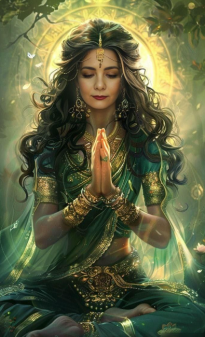
  • gTummo and Vajra

    gTummo and Vajra

    gTummo and Vajra are important concepts in Tibetan Buddhism, particularly within esoteric practices. They are part of advanced spiritual traditions, each with unique meanings and roles in the context of spiritual transformation and enlightenment. Here’s an overview of each:

    1. gTummo (Inner Fire Meditation)

    gTummo, also known as the „Inner Fire“ practice, is a form of tantric meditation found in the Tibetan Buddhist tradition, specifically in the Six Yogas of Naropa. The term „gTummo“ translates to „fierce woman“ or „inner heat“ in Tibetan. It refers to the meditative technique of generating inner heat through the manipulation of subtle energies within the body, specifically using breath, visualization, and concentration.

    Key Aspects of gTummo:

    • Energy and Chakras: gTummo focuses on activating the body’s subtle energy channels (nadis) and chakras (energy centers). The practice aims to bring the „winds“ or prana (life force) into the central channel, known as the Sushumna, which runs along the spine.
    • Inner Fire: The inner heat is visualized as a flame, usually located at the navel or lower abdomen. This fire is said to melt the inner „drops“ (essence or bliss energy) that reside in the subtle energy centers of the body, bringing profound physical warmth and intense spiritual realization.
    • Transforming Desires: One of the deeper spiritual aims of gTummo is to transform ordinary desires and emotions into blissful awareness, leading to greater clarity of mind and spiritual insight.
    • Mystical Experiences: gTummo practitioners can experience an intense bodily warmth (even in freezing environments), vivid spiritual visions, and deep states of meditative absorption. This practice is associated with achieving control over both physical and spiritual processes.
    • Kundalini and Enlightenment: It is similar to the Kundalini awakening in Indian yoga traditions, where the inner fire ignites the Kundalini energy at the base of the spine, leading to spiritual awakening and realization of one’s true nature.

    2. Vajra (Thunderbolt or Diamond)

    Vajra is a symbolic and ritualistic object in Vajrayana (Tibetan) Buddhism. The term „Vajra“ means „thunderbolt“ or „diamond“ in Sanskrit and represents indestructibility, power, and clarity. In Tibetan, it is called Dorje. Vajra is used both as a physical object in Buddhist rituals and as a metaphor for spiritual awakening and enlightenment.

    Key Aspects of Vajra:

    • Symbol of Indestructibility: The Vajra symbolizes the unbreakable, immutable nature of reality and truth. It represents the indivisible nature of wisdom (insight into the true nature of phenomena) and compassion (the motivation to benefit all sentient beings).
    • Dual Meaning: The Vajra also symbolizes the idea of something that can destroy all ignorance (like a thunderbolt) while remaining indestructible itself (like a diamond). It is the „indestructible truth“ that cuts through illusion and leads to the ultimate realization of emptiness (śūnyatā).
    • Ritual Object: In Tibetan Buddhist rituals, the Vajra is paired with a bell (ghanta). Together, they represent the union of wisdom (symbolized by the bell) and compassion or method (symbolized by the Vajra). These two qualities must be united to achieve enlightenment.
    • Tantric Path: In the Vajrayana path, the Vajra also symbolizes the tantric practice, which is considered the „diamond vehicle“ or the „thunderbolt path“ because of its direct, potent methods of achieving enlightenment. Vajrayana practitioners aim to transform their ordinary experiences into the enlightened experience of a Buddha through esoteric practices and the power of insight.

    Connection between gTummo and Vajra:

    • Spiritual Practice: gTummo and Vajra are interconnected in Tibetan tantric practices. gTummo is one of the inner yogic techniques used to cultivate the Vajra-like mind, which is unshakable and indestructible. Through gTummo, practitioners aim to burn away mental obscurations and transform their ordinary consciousness into the enlightened awareness of a Buddha.
    • Bliss and Emptiness: In both gTummo and Vajra symbolism, there is an emphasis on the union of bliss (inner fire or energy) and emptiness (the true nature of reality), which is key to the experience of enlightenment in Vajrayana Buddhism.

    In summary, gTummo focuses on generating inner heat and transforming energy to reach higher states of consciousness, while Vajra represents the indestructible nature of enlightenment and the wisdom that cuts through ignorance. Both are central to the esoteric path of Tibetan Buddhism, working in tandem to help practitioners achieve profound spiritual transformation.

  • Energetic Therapy: A Holistic Approach to Healing

    Energetic Therapy: A Holistic Approach to Healing

    Energetic therapy, also known as energy healing, refers to a range of holistic practices aimed at restoring balance, harmony, and health by working with the body’s energy fields. Rooted in ancient traditions but also supported by modern wellness movements, energetic therapy has gained popularity as people seek alternatives to conventional medicine. This approach focuses on the idea that the human body, emotions, and mind are deeply interconnected through an energetic system, and disturbances in this energy can lead to illness or emotional distress.

    This essay explores the principles of energetic therapy, the types of practices used, and the benefits it offers for physical, emotional, and spiritual well-being.

    Principles of Energetic Therapy

    Energetic therapy is based on the belief that the body is composed of more than just physical matter. It views health as a dynamic balance of physical, mental, emotional, and spiritual energies. The foundation of this practice rests on the idea that we are all made of energy and that this energy can be manipulated to promote healing.

    Some core principles include:

    1. Energy Flow: The human body has an energy flow that moves through channels . Blockages, imbalances, or disruptions in this flow can lead to illness, pain, or emotional disturbances.
    2. The Subtle Energy Body: In addition to the physical body, humans are believed to have an energetic or subtle body. This consists of various energy fields (auras) and centers (chakras) that play an essential role in maintaining overall health.
    3. Mind-Body Connection: Energetic therapies work on the understanding that thoughts, emotions, and beliefs directly affect physical health. Emotional trauma, for instance, may create energetic blockages, manifesting as physical illness.
    4. Self-Healing: Energetic therapy is often focused on empowering individuals to activate their body’s own natural healing abilities. It emphasizes personal responsibility for health and well-being, allowing individuals to take part in their healing journey.

    Types of Energetic Therapy

    There are various types of energetic therapies practiced around the world, each with unique techniques and philosophies. Some of the most popular include:

    1. Reiki: Reiki is a Japanese healing technique that channels energy through the hands of a practitioner to promote relaxation, reduce stress, and facilitate healing. Practitioners place their hands gently on or above the recipient’s body, transferring „universal life force energy“ to help remove energetic blockages and balance the energy system.
    2. Qi Gong and Tai Chi: These Chinese practices combine movement, breath control, and meditation to cultivate and balance life force energy (Qi). Through slow, deliberate movements, these practices enhance energy flow, boost immunity, and promote physical and mental well-being.
    3. Chakra Healing: Chakra healing focuses on balancing the seven main energy centers of the body, which are believed to regulate physical and emotional well-being. Techniques like meditation, visualization, sound healing, and crystals are used to clear and align the chakras, allowing for free energy flow and emotional balance.
    4. Acupuncture: An ancient Chinese practice, acupuncture involves inserting fine needles into specific points along the body’s meridians to release blocked energy (Qi) and restore health. This method is used to treat a variety of physical and emotional issues, from chronic pain to anxiety.
    5. Crystal Healing: Crystals are believed to have unique energetic properties that can influence a person’s energy field. Placing crystals on or near the body is thought to clear negative energy, amplify positive vibrations, and promote healing on different levels.
    6. Sound Therapy: Sound healing uses frequencies and vibrations from instruments like singing bowls, tuning forks, and gongs to affect the body’s energy field. Different frequencies resonate with various energy centers, helping to clear energetic blockages and restore harmony.

    Benefits of Energetic Therapy

    Energetic therapy offers numerous benefits, often complementing conventional medical treatments and enhancing overall well-being. Key benefits include:

    1. Physical Healing: Energetic therapy can assist in alleviating pain, speeding up recovery from injuries, reducing inflammation, and improving overall physical health. It enhances the body’s ability to heal itself by restoring energetic balance.
    2. Emotional and Mental Balance: By addressing emotional blockages and unresolved trauma, energetic therapy can help reduce stress, anxiety, depression, and emotional fatigue. Practices like Reiki and chakra healing are known for their calming effects, allowing individuals to release negative emotions and cultivate inner peace.
    3. Stress Reduction: Many energy therapies work by deeply relaxing the body and mind, which helps lower stress levels and reduce the effects of chronic stress on the body, such as high blood pressure or tension headaches.
    4. Enhanced Spiritual Growth: Energetic therapies are often closely connected with spiritual practices. For individuals on a spiritual path, these therapies help deepen the connection to their higher self, promote self-awareness, and support spiritual awakening.
    5. Improved Energy Flow: By clearing energetic blockages, individuals experience increased vitality, mental clarity, and overall life force. This renewed energy can lead to improved focus, motivation, and creativity.
    6. Complementary Healing: Energetic therapy is often used alongside traditional medical treatments, enhancing the effectiveness of these treatments and improving the patient’s overall experience. For example, Reiki is commonly used in hospitals to reduce pain and anxiety in cancer patients or those recovering from surgery.

    Energetic therapy offers a holistic approach to healing that acknowledges the interconnection between body, mind, and spirit. By working with the body’s energy fields and addressing imbalances, energetic therapies promote physical, emotional, and spiritual well-being. As more people seek natural ways to restore balance and heal, the popularity of these practices continues to grow, providing an alternative or complementary method to conventional medicine.

    Whether through Reiki, chakra healing, or other modalities, energetic therapy empowers individuals to take charge of their health, encourages personal growth, and supports the body’s innate ability to heal itself. As our understanding of energy and its impact on health continues to evolve, energetic therapy will likely remain a valuable tool for healing and transformation.