Kategorie: Blog

  • Soul Mates versus Twin Flames

    Soul Mates versus Twin Flames

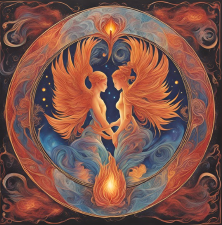
    The concepts of soul mates and twin flames are deeply rooted in spiritual and metaphysical traditions, representing two distinct types of profound connections between individuals. Both are often associated with love, personal growth, and spiritual evolution, but they differ significantly in their nature, purpose, and the dynamics they create in relationships. Understanding these differences can provide clarity for those navigating intense and meaningful relationships.

    Soul Mates

    Definition and Purpose

    A soul mate is typically described as someone with whom you share a deep and harmonious connection. Soul mates are believed to be souls that have encountered each other in multiple lifetimes, developing a bond that transcends time and space. This connection is often characterized by a sense of familiarity, comfort, and understanding.

    • Multiple Soul Mates: It is commonly believed that a person can have more than one soul mate in their lifetime. These relationships are not limited to romantic partners; they can include friends, family members, or even mentors. The primary purpose of a soul mate relationship is mutual support, growth, and companionship.
    • Harmony and Ease: Relationships with soul mates tend to be relatively easy and harmonious. While they do involve challenges, the bond is generally based on mutual respect, love, and understanding. The connection feels natural, as if the individuals were meant to be part of each other’s lives.
    • Personal Growth: Soul mate relationships often provide a safe space for personal growth. These connections encourage individuals to explore their true selves, offering support and guidance without excessive drama or conflict.

    Twin Flames

    Definition and Purpose

    Twin flames, on the other hand, represent a unique and intense connection. The twin flame concept is based on the idea that a soul can split into two separate entities, each incarnating in different bodies. These two halves, when they meet, experience a powerful and transformative bond that is often described as „mirroring“ each other.

    • One Twin Flame: Unlike soul mates, it is generally believed that a person has only one twin flame. This connection is often marked by a sense of destiny or fate, as if the two individuals were meant to find each other to complete their spiritual journey.
    • Intensity and Challenge: Twin flame relationships are known for their intensity and complexity. While they can bring immense love and joy, they often involve significant challenges and conflicts. This is because twin flames are mirrors of each other, reflecting both the strengths and weaknesses of their counterpart. The relationship pushes both individuals to confront their deepest fears, insecurities, and unresolved issues.
    • Spiritual Awakening and Transformation: The primary purpose of a twin flame relationship is spiritual awakening and transformation. These connections are designed to accelerate personal growth and lead to a higher level of consciousness. The challenges faced in a twin flame relationship often serve as catalysts for profound change, forcing both individuals to evolve and grow in ways they may not have anticipated.

    Key Differences

    1. Nature of the Connection:
      • Soul Mates: Often feel like a natural, easy fit with a deep sense of comfort and mutual understanding.
      • Twin Flames: Typically experience an intense, often turbulent connection that challenges both individuals to grow.
    2. Number of Relationships:
      • Soul Mates: You can have multiple soul mates, each fulfilling different roles in your life.
      • Twin Flames: Generally, you have only one twin flame, with whom the connection is singular and unique.
    3. Purpose:
      • Soul Mates: Provide support, companionship, and love, contributing to steady personal growth.
      • Twin Flames: Act as a mirror, reflecting back all aspects of yourself, and serve as a catalyst for deep spiritual awakening and transformation.
    4. Challenges:
      • Soul Mates: While challenges exist, the relationship is typically marked by ease and harmony.
      • Twin Flames: The relationship is often fraught with challenges that force both individuals to confront and heal their deepest wounds.
    5. Outcome:
      • Soul Mates: The relationship may last a lifetime or be transient, but it generally leaves both individuals better off and more complete.
      • Twin Flames: The relationship can lead to union or separation, depending on the individuals‘ ability to navigate the intense dynamics. The ultimate goal is spiritual growth, regardless of whether the relationship remains intact.

    Soul mates and twin flames represent two distinct but equally important types of connections in the spiritual realm. Soul mates bring comfort, support, and steady growth, helping us navigate the challenges of life with a partner who understands and complements us. Twin flames, on the other hand, are intense and transformative, pushing us to confront our deepest selves and evolve spiritually.

    While both relationships can be deeply fulfilling, they serve different purposes in our journey. Soul mate relationships are often more harmonious and nurturing, whereas twin flame connections, though potentially turbulent, offer the opportunity for profound spiritual awakening and personal transformation. Understanding the nature of these relationships can help us appreciate the unique role each plays in our lives.

  • Cum să oferi un cadou :)

    Cum să oferi un cadou 🙂

    A oferi un cadou este un act de generozitate și apreciere, iar modul în care facem acest lucru poate avea un impact semnificativ asupra relațiilor noastre. A dărui nu înseamnă doar a oferi un obiect, ci și a transmite sentimente de afecțiune, respect sau recunoștință. Iată câteva sfaturi despre cum să dăruiești într-un mod semnificativ și plăcut:

    1. Alege un Cadou cu Gândire și Intenție

    • Gândește-te la persoana căreia îi dăruiești: Un cadou bine ales reflectă cât de bine cunoști și apreciezi persoana respectivă. Gândește-te la pasiunile, interesele și nevoile ei. Un cadou personalizat sau unul care are o semnificație specială va fi întotdeauna mai apreciat.
    • Nu te concentra doar pe valoarea materială: Un cadou valoros nu trebuie neapărat să fie scump. Chiar și un gest simplu, dar atent ales, poate aduce multă bucurie.

    2. Consideră Ocazia

    • Ajustează cadoul în funcție de eveniment: Fie că este vorba de o zi de naștere, o aniversare, o sărbătoare sau un simplu gest de mulțumire, este important ca darul să fie potrivit pentru ocazie. De exemplu, un cadou formal pentru o nuntă ar trebui să fie diferit de unul pe care îl oferi unui prieten apropiat pentru ziua lui de naștere.

    3. Prezintă Cadoul Frumos

    • Împachetează-l cu grijă: Un cadou bine împachetat arată că ai pus suflet în pregătirea lui. Folosește hârtie de ambalat frumoasă, o panglică și, dacă este posibil, adaugă un bilețel personalizat.
    • Atenția la detalii: Detaliile mici, cum ar fi o etichetă personalizată sau o notă scrisă de mână, pot adăuga o notă specială cadoului tău.

    4. Livrarea Cadoului

    • Oferă cadoul într-un mod personal: Dacă este posibil, înmânează cadoul personal, pentru a putea vedea reacția celui care îl primește și pentru a crea un moment special. Dacă nu poți face acest lucru, asigură-te că darul ajunge în timp util și este însoțit de un mesaj sau o notă.
    • Respectă preferințele culturale și personale: În anumite culturi sau pentru anumite persoane, modul în care oferi un cadou poate avea o semnificație aparte. De exemplu, în unele culturi, cadourile nu se deschid imediat în fața celui care le oferă. Este bine să cunoști aceste aspecte pentru a nu crea situații stânjenitoare.

    5. Însoțește Cadoul de un Mesaj

    • Adaugă o notă personală: Un mesaj de câteva rânduri, scris de mână, poate adăuga multă valoare cadoului. Aceasta este o oportunitate de a exprima gândurile și sentimentele tale sincere.
    • Fii sincer și deschis: În mesajul tău, exprimă-ți sinceritatea și afecțiunea. Chiar și o simplă urare, venită din inimă, poate face o diferență semnificativă.

    6. Oferă fără Așteptări

    • Nu aștepta ceva în schimb: Un cadou adevărat este oferit fără așteptarea unei recompense sau a unui cadou în schimb. Bucuria de a dărui ar trebui să fie suficientă și să vină din dorința de a face pe cineva fericit.
    • Fii atent la momentul oportun: Este important să alegi un moment potrivit pentru a oferi un cadou. Asigură-te că persoana respectivă este într-o stare de spirit bună și că momentul este adecvat.

    7. Fii Generos și Deschis

    • Oferă cu inima deschisă: Generozitatea nu se măsoară doar în lucruri materiale, ci și în disponibilitatea de a dărui din timpul tău, din energia și atenția ta.
    • Respectă reacțiile celorlalți: Fii atent la reacțiile celor care primesc cadoul și respectă felul în care aleg să-l primească. Unii oameni sunt mai rezervați, în timp ce alții sunt foarte expresivi. Respectarea acestor diferențe arată empatie și înțelegere.

    8. Fii Creativ

    • Oferă experiențe: Cadourile nu trebuie să fie întotdeauna obiecte fizice. O experiență specială, cum ar fi o ieșire la un concert, o masă la un restaurant preferat, sau chiar o zi petrecută împreună, poate fi un dar memorabil și prețios.
    • Creează ceva de la zero: Dacă ai abilități artistice sau practice, un cadou făcut de tine, cum ar fi o piesă de artizanat, un desen sau o rețetă specială, poate avea o valoare inestimabilă pentru cel care îl primește.

    A dărui este un act de iubire și atenție, care poate întări legăturile dintre oameni. Fiecare cadou oferit cu grijă și sinceritate devine o manifestare a aprecierii și respectului față de ceilalți. Dăruirea este o artă ce se îmbunătățește odată cu timpul și practica, aducând bucurie atât celor care primesc, cât și celor care oferă.

    Alte sfaturi pe tema, aici: https://youtu.be/Mecz78NHYLc

  • Recovering after a failure

    Recovering after a failure

    Recovering after a failure can be challenging, but it’s also a powerful opportunity for growth and self-improvement. Here’s a step-by-step guide on how to recover effectively after a setback:

    1. Acknowledge Your Feelings

    • Accept the Emotion: It’s natural to feel disappointed, frustrated, or even embarrassed after a failure. Allow yourself to experience these emotions without judgment.
    • Express Your Feelings: Talk to a trusted friend, write in a journal, or use creative outlets like art or music to express what you’re going through.

    2. Analyze What Happened

    • Reflect Honestly: Take some time to objectively analyze what went wrong. What were the key factors that led to the failure? Were there things you could have done differently?
    • Identify the Lessons: Every failure carries valuable lessons. Identify what you can learn from the experience, whether it’s about preparation, decision-making, or understanding your strengths and weaknesses.

    3. Take Responsibility

    • Own Your Part: Acknowledge your role in the failure without blaming others or external circumstances. Taking responsibility empowers you to make changes.
    • Avoid Self-Blame: While it’s important to own your mistakes, avoid harsh self-criticism. Focus on what you can do better next time rather than dwelling on what went wrong.

    4. Reframe the Failure

    • See Failure as Feedback: Instead of viewing failure as a dead-end, see it as feedback on your approach. It’s an opportunity to adjust your strategy and try again with more insight.
    • Adopt a Growth Mindset: Embrace the idea that your abilities and intelligence can grow with effort. A growth mindset helps you see failure as a stepping stone to success.

    5. Make a Plan for Moving Forward

    • Set New Goals: Reevaluate your goals in light of what you’ve learned. Set clear, realistic goals that align with your current situation.
    • Create an Action Plan: Break your goals down into manageable steps. Outline specific actions you can take to move forward, and set timelines to stay on track.

    6. Rebuild Confidence

    • Celebrate Small Wins: Focus on small achievements to rebuild your confidence. Each step forward is a victory worth acknowledging.
    • Practice Self-Compassion: Treat yourself with kindness and understanding, just as you would treat a friend who experienced a setback.

    7. Seek Support

    • Talk to Mentors or Coaches: If you’re struggling to bounce back, seek advice from someone with experience. They can offer perspective and guidance.
    • Lean on Your Support Network: Surround yourself with positive, supportive people who can encourage you and help you stay motivated.

    8. Stay Persistent

    • Keep Trying: Success often comes after multiple attempts. Stay persistent and keep pushing forward, even if progress feels slow.
    • Learn and Adapt: Be open to adjusting your approach based on new insights or feedback. Flexibility is key to overcoming obstacles.

    9. Practice Resilience-Building Techniques

    • Mindfulness and Meditation: These practices can help you stay grounded and reduce stress, allowing you to approach challenges with a clear mind.
    • Physical Exercise: Regular exercise can boost your mood and energy levels, helping you feel more capable of tackling challenges.

    10. Embrace the Journey

    • Focus on Growth, Not Perfection: Remember that the path to success is rarely linear. Embrace the ups and downs as part of your journey.
    • Stay Positive: Cultivate a positive outlook by focusing on what you can control and taking proactive steps to improve.

    Failure is an inevitable part of life, but it doesn’t define you. By acknowledging your feelings, learning from the experience, and taking deliberate steps forward, you can recover from failure and emerge stronger, wiser, and more resilient.

  • Love & Light

    Love & Light

    „Love and light“ is a phrase that encapsulates the essence of positivity, compassion, and spiritual well-being. It’s often used as a blessing, a way to send positive energy, or a reminder to approach life with an open heart and a clear mind. Here’s a deeper look at what this phrase embodies:

    Love

    • Unconditional Compassion: Love, in this context, refers to a deep, unconditional compassion for oneself and others. It’s about embracing kindness, understanding, and empathy in all interactions.
    • Healing Energy: Love is seen as a powerful healing force that can mend emotional wounds, foster connection, and promote peace. It’s the foundation of meaningful relationships and a fulfilling life.
    • Self-Love: Equally important is the love we direct towards ourselves. Self-love involves nurturing our well-being, respecting our boundaries, and recognizing our inherent worth.

    Light

    • Spiritual Illumination: Light symbolizes enlightenment, wisdom, and spiritual clarity. It represents the pursuit of truth, understanding, and the illumination of our inner selves.
    • Positivity: Light is often associated with positivity, joy, and the ability to see the good in all situations. It’s about maintaining a hopeful outlook and spreading warmth and optimism.
    • Protection and Guidance: Light is also seen as a protective force that guides us through dark or challenging times. It helps us navigate difficulties with grace and resilience.

    The Power of „Love and Light“

    When you wish someone „love and light,“ you’re sending them a blessing of deep, unconditional support and positive energy. It’s a way to express that you hope they are surrounded by love, bathed in spiritual clarity, and protected by positive forces.

    Living in Love and Light

    To live in „love and light“ means to consistently strive to embody these qualities in your daily life. It’s about choosing compassion over judgment, seeking truth over ignorance, and spreading positivity even in difficult circumstances. It’s a reminder to be a beacon of kindness, wisdom, and hope for others and yourself.

    In a world that often feels chaotic and divided, embracing „love and light“ can be a powerful act of spiritual and emotional resilience. It’s a practice that can transform not only your own life but also positively impact those around you.

  • Media manipulation & Energy attacks – how to protect ourselves

    Media manipulation & Energy attacks – how to protect ourselves

    Mass media manipulation can be viewed as a form of energy attack, affecting not just our thoughts and emotions, but also our overall well-being on a subtle, energetic level. This concept suggests that the constant exposure to manipulated information, biased narratives, and sensationalism does more than just shape public opinion; it can drain our energy, create imbalances, and subtly manipulate our collective consciousness.

    Understanding Mass Media Manipulation

    Mass media manipulation refers to the deliberate shaping of information and narratives to serve specific interests, often at the expense of truth, objectivity, and the well-being of the audience. This manipulation can take many forms, including:

    1. Misinformation and Disinformation: Deliberately spreading false or misleading information to control public perception.
    2. Sensationalism: Exaggerating or distorting facts to evoke strong emotional responses, such as fear, anger, or outrage.
    3. Selective Reporting: Highlighting certain events or perspectives while ignoring others to create a biased narrative.
    4. Propaganda: Systematic efforts to influence beliefs and attitudes, often through repetitive messaging and emotional appeals.

    Mass Media as an Energy Attack

    When we consider the concept of energy attacks, we usually think of direct, overt actions aimed at draining an individual’s energy or causing harm. However, mass media manipulation can function as a more subtle form of energy attack, operating on both individual and collective levels.

    1. Emotional Manipulation and Energy Drain

    One of the most direct ways in which media manipulation acts as an energy attack is through the manipulation of emotions. Sensationalist news, fear-mongering headlines, and divisive narratives can generate strong emotional reactions, such as anxiety, anger, or despair. These emotions are not just psychological experiences but also energetic states that affect our overall vitality.

    • Fear and Anxiety: Constant exposure to fear-inducing content can keep individuals in a state of heightened alertness and stress, leading to energy depletion. This can manifest as physical fatigue, emotional exhaustion, and a sense of being overwhelmed.
    • Anger and Outrage: Similarly, content designed to provoke anger can create a state of constant tension and agitation. This not only drains energy but also lowers the individual’s ability to think clearly and make rational decisions.

    2. Subtle Influence on the Collective Consciousness

    On a larger scale, mass media manipulation can act as an energy attack on the collective consciousness. The media has the power to shape societal beliefs, values, and attitudes, often subtly influencing the way entire populations think and behave. This can lead to:

    • Division and Polarization: Manipulated media narratives often emphasize conflicts and differences between groups, creating division and polarization. This not only disrupts social harmony but also fragments the collective energy, making it more difficult to achieve unity and cooperation.
    • Entrapment in Lower Vibrations: By constantly focusing on negative or fear-based stories, the media can keep the collective consciousness trapped in lower vibrational states, such as fear, anger, and despair. These states are disempowering and prevent individuals and societies from reaching their full potential.

    3. Impact on Mental and Spiritual Health

    The relentless barrage of manipulated content can also have a profound impact on mental and spiritual health. When individuals are constantly exposed to negative, distorted, or biased information, it can lead to:

    • Cognitive Dissonance: When the media presents conflicting narratives or misinformation, it can create confusion and cognitive dissonance. This mental strain can deplete energy and make it difficult for individuals to trust their own judgment and intuition.
    • Spiritual Disconnection: Constant media consumption, especially when manipulative, can distract individuals from their spiritual path. It can create a sense of disconnection from inner peace, purpose, and higher consciousness, leaving people feeling lost or spiritually adrift.

    Protecting Yourself from Media-Induced Energy Attacks

    Given the pervasive influence of mass media, it is crucial to develop strategies to protect yourself from its potential negative effects. Here are some approaches:

    1. Mindful Consumption: Be selective about the media you consume. Limit exposure to sensationalist or fear-based content and seek out balanced, fact-based reporting. Take regular breaks from news consumption to reset your energy.
    2. Emotional Awareness: Cultivate awareness of how media content affects your emotions. If you notice that certain stories or narratives provoke strong negative emotions, take steps to process these feelings in a healthy way, such as through meditation, journaling, or talking to a trusted friend.
    3. Energetic Protection: Practice energetic protection techniques, such as visualization or grounding exercises, to shield yourself from the subtle energetic effects of media manipulation. Visualizing a protective shield around your energy field can help prevent external influences from draining your vitality.
    4. Critical Thinking and Discernment: Strengthen your ability to critically analyze the information presented to you. Question the motives behind media narratives and seek out multiple perspectives before forming conclusions. This can help you stay mentally and energetically empowered.
    5. Connect with Nature and Spiritual Practices: Reconnect with nature and engage in spiritual practices that raise your vibration and restore your energy. Whether through meditation, prayer, or spending time outdoors, these practices can help you stay grounded and aligned with your true self.

    Mass media manipulation as a form of energy attack highlights the profound impact that information and narratives can have on our emotional, mental, and spiritual well-being. By understanding these dynamics and taking proactive steps to protect ourselves, we can mitigate the negative effects of media manipulation and maintain our energy, clarity, and sense of inner peace. In doing so, we empower ourselves to navigate the complexities of the modern world with resilience and discernment.

    Protecting ourselves from media manipulation and energy attacks involves cultivating awareness, practicing discernment, and employing strategies to maintain our mental, emotional, and energetic well-being. Here are some key steps you can take to safeguard yourself:

    1. Mindful Media Consumption

    • Limit Exposure: Be selective about the sources of information you engage with. Choose reputable, balanced news outlets and avoid sensationalist or biased content. Limit the amount of time you spend consuming news, especially during stressful periods.
    • Set Boundaries: Establish clear boundaries regarding when and how you consume media. For example, avoid checking the news first thing in the morning or before bed, as this can set the tone for your day or interfere with your sleep.
    • Media Detox: Periodically take breaks from all forms of media to reset your mind and energy. Use this time to engage in activities that bring you joy and relaxation.

    2. Cultivate Emotional Awareness

    • Observe Your Reactions: Pay attention to how different types of media content affect your emotions. If you notice that certain stories or platforms consistently provoke negative emotions like fear, anger, or sadness, consider reducing or eliminating your exposure to them.
    • Emotional Processing: When you experience strong emotional reactions to media content, take time to process these feelings in a healthy way. Techniques like journaling, deep breathing, or talking to a trusted friend can help you release emotional tension.

    3. Develop Critical Thinking and Discernment

    • Question the Source: Before accepting any information as truth, consider the source. Who is presenting the information, and what might their motivations be? Look for signs of bias, sensationalism, or manipulation.
    • Cross-Reference Information: Seek out multiple perspectives on important issues. Compare how different outlets report the same story and identify any discrepancies or omissions.
    • Analyze the Message: Be aware of the language and imagery used in media content. Is it designed to evoke a specific emotional response? Are there attempts to oversimplify complex issues or create „us vs. them“ narratives?

    4. Practice Energetic Protection

    • Visualization Techniques: Visualize a protective shield or bubble of light surrounding your body. This shield can help deflect negative energies and prevent external influences from draining your energy.
    • Grounding Exercises: Engage in grounding practices to anchor yourself in the present moment and connect with the earth’s energy. Simple techniques include walking barefoot on grass, focusing on your breath, or visualizing roots extending from your feet into the ground.
    • Energy Cleansing: Regularly cleanse your energy field to remove any accumulated negativity. This can be done through practices like smudging with sage, taking salt baths, or using crystals like black tourmaline or amethyst.

    5. Strengthen Mental and Spiritual Resilience

    • Meditation and Mindfulness: Develop a daily meditation or mindfulness practice to cultivate inner calm and clarity. These practices can help you remain centered and less susceptible to external influences.
    • Spiritual Connection: Nurture your spiritual beliefs and practices, whether through prayer, yoga, or other forms of connection with the divine. A strong spiritual foundation can provide guidance and protection against manipulative influences.
    • Affirmations and Positive Thinking: Use affirmations to reinforce your mental and emotional strength. Statements like „I am in control of my thoughts and emotions“ or „I am protected from negative influences“ can help you stay focused and empowered.

    6. Foster Supportive Relationships

    • Surround Yourself with Positive People: Build a network of supportive, like-minded individuals who uplift and inspire you. Positive relationships can provide a buffer against the negativity of media manipulation and energy attacks.
    • Engage in Meaningful Conversations: Discuss important issues with trusted friends and family members. Sharing different perspectives and engaging in open dialogue can help you process information more effectively and reduce the impact of manipulative media.

    7. Live in Alignment with Your Values

    • Align Actions with Beliefs: Ensure that your actions reflect your core values and beliefs. Living authentically reduces internal conflict and makes you less susceptible to external manipulation.
    • Focus on Positivity and Growth: Prioritize activities and content that contribute to your personal growth and well-being. Focus on positive, constructive pursuits that align with your goals and aspirations.

    Protecting yourself from media manipulation and energy attacks requires a combination of mindfulness, critical thinking, and proactive self-care. By being aware of how media influences your thoughts and emotions, setting boundaries, and practicing energetic protection, you can maintain your mental, emotional, and spiritual well-being. These strategies not only shield you from negative influences but also empower you to navigate the complexities of modern life with greater resilience and clarity.

  • Runes & Runes magic and Moon Magic with runes

    Runes & Runes magic and Moon Magic with runes

    Runes and rune magic hold a significant place in the historical and spiritual traditions of the Germanic, Norse, and other Northern European cultures. The runes are more than just an ancient alphabet; they are symbols imbued with mystical meanings and powers. Rune magic, also known as „rune casting“ or „rune divination,“ involves using these symbols for various purposes, including divination, protection, and spellwork.

    The Origins of Runes

    The runes are an ancient alphabet used by the Germanic peoples, including the Norse and Anglo-Saxons, dating back to around the 2nd to 8th centuries AD. The most well-known runic alphabet is the Elder Futhark, which consists of 24 characters. The word „futhark“ derives from the first six letters of the runic alphabet: F, U, Þ (Th), A, R, and K.

    Runes were used for various purposes, including writing, carving inscriptions, and performing rituals. The inscriptions have been found on stones, weapons, tools, and personal items, often in contexts that suggest both practical and magical uses.

    The Spiritual Significance of Runes

    Each rune in the Futhark has its own meaning, often linked to natural elements, deities, and fundamental aspects of life. For example:

    • Fehu (ᚠ): Symbolizes wealth, prosperity, and abundance.
    • Uruz (ᚢ): Represents strength, power, and health.
    • Thurisaz (ᚦ): Associated with giants, danger, and protection.
    • Ansuz (ᚨ): Linked to Odin, communication, and divine inspiration.
    • Raido (ᚱ): Symbolizes travel, movement, and the journey of life.

    These meanings can be interpreted in various ways, depending on the context in which they are used, making the runes a versatile tool for both divination and magical practices.

    Rune Magic

    Rune magic involves using runes in rituals, spells, and divination to harness their mystical powers. The practice is rooted in the belief that the runes are more than just symbols—they are powerful entities or forces that can influence the world around us.

    Rune Casting and Divination

    Rune casting, or „runecasting,“ is a form of divination similar to tarot reading or I Ching. The practitioner asks a question or focuses on a particular situation, then draws one or more runes to interpret their meaning. The runes are usually drawn from a bag and can be cast in various patterns, with each position influencing the interpretation.

    For example, drawing the rune Ansuz might suggest the need for communication or guidance from higher powers, while Isa (ᛁ), which symbolizes ice and stagnation, might indicate obstacles or a period of inactivity.

    Rune Talismans and Amulets

    Runes have also been used to create talismans and amulets. A specific rune or combination of runes would be inscribed onto an object to bring about a desired effect, such as protection, healing, or success. The object could be worn, carried, or placed in a specific location to channel the rune’s energy.

    Bind Runes and Rune Scripts

    Bind runes are created by combining two or more runes into a single symbol to amplify their power or to create a new, specific effect. Rune scripts, on the other hand, are sequences of runes written out to form a magical statement or intention.

    For instance, a bind rune combining Algiz (ᛉ) for protection and Sowilo (ᛋ) for victory might be crafted to ensure success in a dangerous endeavor.

    The Mythological and Mystical Context

    Runes are deeply intertwined with Norse mythology and the worship of gods like Odin, who is said to have discovered the runes. According to the Hávamál, a poem in the Poetic Edda, Odin hung from the World Tree, Yggdrasil, for nine days and nights, sacrificing himself to gain the knowledge of the runes. This story highlights the profound spiritual significance of runes in Norse culture—they were not just learned but earned through sacrifice and profound experience.

    Modern Rune Practice

    Today, rune magic and divination continue to be practiced by those who follow Pagan, Heathen, or Neopagan spiritual paths, as well as by those interested in exploring ancient wisdom. Modern practitioners may use runes in a variety of ways, from daily meditation and guidance to more complex rituals and spellwork.

    The resurgence of interest in ancient traditions, including runes, reflects a broader desire to connect with nature, spirituality, and the wisdom of the past. Runes, with their deep historical roots and versatile applications, offer a unique and powerful tool for those seeking insight, guidance, and transformation.

    Moon magic combined with runes is a powerful practice that blends the ancient wisdom of runic symbols with the mystical energies of the moon. The moon has been revered for its influence on the earth, particularly in relation to tides, emotions, and cycles of growth and transformation. By incorporating runes into moon rituals, practitioners can harness both lunar energies and the symbolic power of the runes to manifest intentions, seek guidance, and perform magical workings.

    The Moon’s Phases and Their Magical Significance

    Each phase of the moon carries different energies that can be harnessed for specific types of magic:

    1. New Moon: A time for new beginnings, setting intentions, and planting the seeds of future projects. It’s a time for initiating change and invoking fresh energies.
    2. Waxing Crescent: The moon is growing, making this phase ideal for building momentum, attracting what you desire, and increasing abundance or personal power.
    3. First Quarter: A time of action and decision-making. This phase supports overcoming obstacles and taking definitive steps toward your goals.
    4. Waxing Gibbous: As the moon approaches fullness, this phase is for refining your plans, gathering strength, and ensuring your intentions are aligned with your true desires.
    5. Full Moon: The full moon is the peak of lunar power, making it the best time for manifesting, bringing goals to fruition, and performing powerful rituals. It is also a time for divination and seeking clarity.
    6. Waning Gibbous: As the moon begins to wane, this phase is for gratitude, reflection, and releasing what no longer serves you.
    7. Last Quarter: A time for letting go, banishing negative influences, and cleansing. It’s a period of internal work and resolving conflicts.
    8. Waning Crescent: The final phase before the new moon is a time for rest, introspection, and preparing for the next cycle.

    Incorporating Runes into Moon Magic

    Using runes in moon magic involves selecting runes that correspond to your intentions and the lunar phase. Here’s how to incorporate them:

    1. New Moon Rune Rituals

    • Runes: Fehu (ᚠ) for prosperity, Berkana (ᛒ) for new beginnings, Sowilo (ᛋ) for success.
    • Ritual: During the new moon, carve or draw these runes on a candle or piece of paper. As you focus on your intentions, light the candle or hold the paper, visualizing your goals coming to life. The runes will help channel the new moon’s energy into your desires.

    2. Full Moon Rune Magic

    • Runes: Algiz (ᛉ) for protection, Tiwaz (ᛏ) for victory, Ansuz (ᚨ) for divine guidance.
    • Ritual: Under the light of the full moon, create a circle of protection by drawing Algiz around your ritual space. Place the rune Tiwaz on your altar or hold it while you focus on your intention for victory or success. Meditate on the rune Ansuz to open yourself to divine messages or insights.

    3. Waning Moon Banishing Rituals

    • Runes: Hagalaz (ᚺ) for disruption and breaking down obstacles, Isa (ᛁ) for stillness and halting negative energy, Thurisaz (ᚦ) for protection and defense.
    • Ritual: During the waning moon, write down what you wish to banish or release. Carve or draw the runes Hagalaz and Thurisaz on a candle or object symbolizing the issue. As the candle burns or the object is discarded, visualize the runes breaking down the negative energies and the moon taking them away.

    4. Moon Water and Runes

    • Runes: Laguz (ᛚ) for flow and intuition, Mannaz (ᛗ) for self-awareness, Ehwaz (ᛖ) for movement and progress.
    • Ritual: Create moon water by placing a bowl of water under the full moon. You can inscribe or place the chosen runes next to the bowl to charge the water with their energies. Use the moon water for cleansing, anointing tools, or as a base for other rituals, knowing it carries both the lunar and runic energies.

    Personalized Rune Scripts for Moon Magic

    You can also create personalized rune scripts by combining several runes to match your specific intention during a moon phase. For example:

    • For love during the waxing moon: Gebo (ᚷ) for partnership + Wunjo (ᚹ) for joy.
    • For protection during the full moon: Algiz (ᛉ) for protection + Eiwaz (ᛇ) for stability.
    • For release during the waning moon: Hagalaz (ᚺ) for breaking old patterns + Perthro (ᛈ) for transformation.

    Moon magic and runes together create a potent system for harnessing the energies of both celestial and ancient symbolic powers. By aligning your rituals with the phases of the moon and the corresponding runes, you can amplify your intentions, enhance your spiritual practices, and connect deeply with the cycles of nature and the universe. This combination of lunar wisdom and runic magic allows for a personalized and powerful approach to manifestation, protection, and spiritual growth.

  • About Jainism

    About Jainism

    Jainism is an ancient religion that originated in India around the 6th century BCE. It is one of the world’s oldest religions, with a strong emphasis on non-violence, asceticism, and respect for all living beings. Jainism is not just a religious practice but also a way of life, guiding its followers towards spiritual liberation through a path of ethical living and self-discipline.

    Core Beliefs and Teachings

    1. Ahimsa (Non-Violence):
    The principle of ahimsa, or non-violence, is central to Jainism. It extends to all forms of life, including humans, animals, plants, and even microorganisms. Jainism teaches that every living being has a soul (jiva) and that all souls are equal. As a result, Jains practice strict vegetarianism and avoid activities that could harm any form of life. This principle is so deeply ingrained that some Jain monks and nuns wear masks to avoid accidentally inhaling and killing small insects.

    2. Anekantavada (Non-Absolutism):
    Anekantavada refers to the belief in the multiplicity of perspectives or non-absolutism. This doctrine suggests that no single viewpoint can represent the whole truth. Jainism teaches that truth and reality are complex and that different perspectives can offer partial views of the same truth. This concept encourages tolerance, open-mindedness, and respect for differing opinions.

    3. Aparigraha (Non-Possessiveness):
    Aparigraha is the principle of non-possessiveness or non-attachment. Jains believe that attachment to material possessions, desires, and emotions leads to suffering and hinders spiritual progress. By practicing detachment and minimizing their needs, Jains aim to reduce their karmic burden and move closer to liberation.

    4. Karma and Reincarnation:
    Jainism shares with other Indian religions the belief in karma and reincarnation. However, in Jainism, karma is a physical substance that adheres to the soul due to one’s actions, thoughts, and words. The accumulation of karma affects future lives, and the goal of Jain practice is to purify the soul by eliminating karmic particles through ethical living, meditation, and ascetic practices. The ultimate aim is to achieve moksha, or liberation, freeing the soul from the cycle of birth and death.

    Sects and Practices

    Jainism is divided into two major sects: Digambara and Shvetambara.

    • Digambara (meaning „sky-clad“) monks renounce all material possessions, including clothing, symbolizing their complete detachment from worldly life. They believe that women must be reborn as men to achieve liberation.
    • Shvetambara (meaning „white-clad“) monks and nuns wear simple white clothing. This sect is more liberal in its interpretation of Jain teachings and believes that women can also attain liberation.

    Despite these differences, both sects share the same core beliefs and ethical principles.

    Lifestyle and Ethics

    Jains lead a life of discipline and simplicity, following five main ethical vows:

    1. Ahimsa (Non-Violence): Avoiding harm to any living being.
    2. Satya (Truthfulness): Speaking the truth and avoiding falsehood.
    3. Asteya (Non-Stealing): Not taking anything that is not willingly given.
    4. Brahmacharya (Chastity): Practicing celibacy or, for laypersons, being faithful to one’s spouse.
    5. Aparigraha (Non-Possessiveness): Minimizing material possessions and desires.

    Jains often engage in regular fasting, meditation, and prayer as part of their spiritual practice. Festivals like Paryushana and Mahavir Jayanti are significant in the Jain calendar, emphasizing introspection, repentance, and the teachings of Lord Mahavira, the 24th and last Tirthankara.

    Influence and Legacy

    Jainism, though small in terms of the number of adherents (around 4-5 million worldwide), has had a profound influence on Indian culture, philosophy, and ethics. The Jain commitment to non-violence has inspired figures like Mahatma Gandhi, who applied these principles in his nonviolent struggle for Indian independence.

    In the modern world, Jainism’s emphasis on environmentalism, sustainability, and ethical living resonates with global movements advocating for ecological balance and ethical consumption. Jain temples and communities, particularly in India, continue to thrive, preserving their rich traditions and contributing to society through charitable works and education.

    Conclusion

    Jainism is a religion that emphasizes the sanctity of life, the importance of non-violence, and the pursuit of spiritual purity. Its teachings on non-attachment, ethical living, and respect for all beings offer a profound and timeless philosophy that continues to inspire and guide its followers towards a life of compassion, simplicity, and spiritual liberation.

  • Confucianism vs. Buddhism: A Comparative Analysis

    Confucianism vs. Buddhism: A Comparative Analysis

    Confucianism and Buddhism are two of the most influential philosophical and religious systems in East Asia, each with a profound impact on the cultures, societies, and spiritual lives of the people in the region. Despite their different origins and focus, both systems have coexisted and even complemented each other in various ways throughout history. This essay will explore the key differences and similarities between Confucianism and Buddhism, examining their core teachings, ethical principles, and influence on society.

    Origins and Foundational Beliefs

    1. Origins and Historical Context

    Confucianism originated in China during the 6th century BCE, founded by Confucius (Kong Fuzi), a philosopher and educator who sought to restore social harmony and moral values during a period of political turmoil. Confucianism is not a religion in the traditional sense but rather a system of ethical and philosophical teachings that emphasize human relationships, social order, and moral integrity.

    Buddhism, on the other hand, was founded by Siddhartha Gautama, known as the Buddha, in the 5th century BCE in India. Buddhism is a spiritual and religious tradition that focuses on the path to enlightenment and the cessation of suffering (dukkha). The teachings of Buddhism revolve around the Four Noble Truths and the Eightfold Path, which guide practitioners in overcoming desire and ignorance to achieve Nirvana, a state of liberation from the cycle of rebirth.

    2. Fundamental Teachings

    Confucianism is centered on the concept of ren (humaneness or benevolence), which represents the ideal relationship between individuals and the foundation of a harmonious society. Confucianism emphasizes the importance of li (ritual propriety) in maintaining social order and xiao (filial piety) as a key virtue, promoting respect and obedience to one’s parents and elders. The focus is on the cultivation of virtue, the development of moral character, and the fulfillment of one’s roles and duties within the family and society.

    Buddhism, by contrast, focuses on the inner journey of the individual toward enlightenment. The core teachings include the Four Noble Truths: the truth of suffering, the cause of suffering, the cessation of suffering, and the path leading to the cessation of suffering. The Eightfold Path, which includes right understanding, right intention, right speech, right action, right livelihood, right effort, right mindfulness, and right concentration, provides a framework for ethical living and mental discipline. Buddhism also emphasizes concepts such as impermanence (anicca), non-self (anatta), and the interdependent nature of all things.

    Ethics and Social Order

    1. Social Hierarchy and Relationships

    Confucianism places great emphasis on social harmony and the proper functioning of society through the fulfillment of roles and responsibilities. The Five Relationships (ruler-subject, father-son, husband-wife, elder brother-younger brother, and friend-friend) are central to Confucian ethics. These relationships are hierarchical, and each person has specific duties and obligations within them. The goal is to create a stable and orderly society where everyone knows their place and acts according to their role.

    Buddhism, while not focused on social hierarchy, teaches ethical conduct as a means to reduce suffering and advance on the path to enlightenment. The Five Precepts in Buddhism—abstaining from killing, stealing, sexual misconduct, false speech, and intoxicants—serve as moral guidelines for living a virtuous life. Buddhism encourages compassion, kindness, and equanimity toward all beings, regardless of social status. The emphasis is on personal responsibility for one’s actions (karma) and the cultivation of wisdom and mindfulness.

    2. Approach to Governance and Society

    Confucianism has historically been associated with governance and statecraft in East Asia. Confucius believed that a ruler should govern by moral example rather than by force, embodying the virtues of benevolence, righteousness, and wisdom. The idea of the Mandate of Heaven—the divine right to rule based on virtue—was deeply influenced by Confucian thought. Confucianism promotes a meritocratic system where officials are chosen based on their moral and intellectual qualities, as seen in the civil service exams of imperial China.

    Buddhism, while less directly involved in governance, has had a significant influence on the cultural and spiritual life of societies. Buddhist monasteries and monks often played roles in education, social welfare, and mediation. Buddhism’s emphasis on detachment from worldly desires and material wealth contrasts with the Confucian focus on social and familial obligations. However, Buddhist teachings on compassion and non-violence have also influenced rulers and governance, encouraging policies of tolerance and benevolence.

    Influence and Integration

    1. Confucianism in East Asia

    Confucianism has been the dominant philosophical system in China, Korea, Japan, and Vietnam for centuries, deeply influencing the cultural, social, and political fabric of these societies. Confucian ideals of respect for authority, the importance of education, and the value of family life continue to shape the social norms and practices in these countries. Confucianism has also been integrated with other philosophies, such as Daoism and Legalism, creating a rich and complex intellectual tradition.

    2. Buddhism’s Spread and Adaptation

    Buddhism spread from India to various parts of Asia, including China, Japan, Korea, Southeast Asia, and Tibet, adapting to the cultural contexts of each region. In China, Buddhism interacted with Confucianism and Daoism, leading to the development of unique schools such as Chan (Zen in Japan). In Japan, Buddhism became intertwined with Shinto practices, while in Tibet, it merged with indigenous Bon traditions. Despite its foreign origins, Buddhism became an integral part of the cultural and spiritual life in East Asia, coexisting with and sometimes complementing Confucianism.

    Confucianism and Buddhism, though originating from different cultural and philosophical traditions, have both profoundly shaped the societies of East Asia. Confucianism, with its emphasis on social harmony, duty, and moral governance, has provided a framework for social order and governance. Buddhism, with its focus on personal enlightenment and the alleviation of suffering, has offered a path for spiritual development and ethical living. While Confucianism is more concerned with external social structures and relationships, Buddhism focuses on the internal transformation of the individual. Together, these two systems have contributed to the rich cultural and intellectual heritage of the region, influencing not only the lives of individuals but also the broader societal structures in which they live.

  • Twin Flames and Destiny: The Mystical Dance of Two Souls

    Twin Flames and Destiny: The Mystical Dance of Two Souls

    Understanding Twin Flames: A Unique Soul Connection

    1. What Are Twin Flames?
    Twin flames are often described as two parts of a single soul that have been split and reside in two different individuals. Unlike soul mates, who are deeply connected souls that come together for mutual growth and companionship, twin flames represent a singular soul that has been divided, with each half embarking on its own journey until they are ready to reunite. This reunion is believed to be intense, transformative, and often tumultuous, as each twin flame reflects the other’s strengths, weaknesses, and unresolved issues.

    2. The Purpose of Twin Flames
    The purpose of the twin flame relationship goes beyond the personal. It is not just about romantic love or companionship; rather, it is about spiritual growth, healing, and fulfilling a higher mission. Twin flames are believed to come together to achieve something significant that serves not only their personal evolution but also contributes to the greater good of humanity. Their union is seen as a powerful force that can bring about change, enlightenment, and spiritual awakening.

    3. The Signs of a Twin Flame Connection
    Many people who believe they have met their twin flame describe an overwhelming sense of familiarity, as if they have known each other for lifetimes. This connection is often characterized by a magnetic pull, intense emotions, and a deep, unspoken understanding. However, the twin flame relationship is also marked by challenges and conflicts, as the intense connection forces both individuals to confront their deepest fears, insecurities, and unresolved issues.

    Destiny and the Role of Twin Flames

    1. The Fated Nature of Twin Flame Unions
    The concept of destiny plays a crucial role in the twin flame journey. It is believed that the reunion of twin flames is preordained and is part of a divine plan. According to spiritual beliefs, twin flames are destined to meet in a particular lifetime when both individuals are ready to face the intense process of spiritual growth and transformation. This meeting is not something that can be forced or hurried; it happens at the right time, when both are prepared to embrace the challenges and rewards of the twin flame journey.

    2. The Role of Free Will in Twin Flame Relationships
    While the meeting of twin flames may be destined, the choices they make within the relationship are guided by free will. The twin flame journey is not always smooth; it often involves periods of separation, inner work, and healing. Both individuals must choose to commit to the process of growth and to overcome the obstacles that arise. This interplay between destiny and free will emphasizes the importance of personal responsibility in the twin flame journey, as each partner must be willing to face their inner demons and evolve together.

    3. Twin Flames as Catalysts for Spiritual Evolution
    One of the key aspects of the twin flame relationship is its transformative power. Twin flames are seen as catalysts for each other’s spiritual evolution. The intense connection between them brings to light unresolved karmic issues, deep-seated fears, and aspects of the self that need healing. This process is often painful but necessary for the growth of both individuals. The challenges faced by twin flames are viewed as part of their destiny, meant to push them toward higher states of consciousness and spiritual enlightenment.

    The Twin Flame Journey: A Path of Challenges and Growth

    1. The Stages of the Twin Flame Journey
    The twin flame journey is often described as a series of stages, each with its own challenges and lessons. These stages typically include the initial meeting and recognition, a period of intense connection, conflicts and challenges, separation, and eventual reunion. Each stage serves a purpose in the twin flame journey, helping both individuals to grow, heal, and prepare for the ultimate reunion. The separation stage, in particular, is often the most difficult, as it forces both individuals to confront their own issues and work on themselves independently.

    2. The Importance of Inner Work and Healing
    The twin flame journey emphasizes the importance of inner work and healing. Before twin flames can fully reunite, both individuals must address their own emotional wounds, fears, and insecurities. This process often involves deep introspection, spiritual practices, and a commitment to personal growth. The twin flame relationship acts as a mirror, reflecting each individual’s unresolved issues and pushing them toward healing and self-love. Only when both individuals have done the necessary inner work can they come together in a harmonious and balanced union.

    3. The Twin Flame Reunion: Fulfillment of Destiny
    The reunion of twin flames is seen as the fulfillment of their destiny. This reunion is not just about being together in a romantic sense; it is about achieving a state of spiritual harmony and fulfilling their shared mission. The reunion signifies the completion of the twin flame journey, where both individuals have evolved, healed, and are now ready to work together for a higher purpose. This purpose often involves contributing to the spiritual awakening of others, spreading love and light, and serving the greater good of humanity.

    The concept of twin flames and destiny offers a profound understanding of the nature of soul connections and the spiritual journey. Twin flames are not just romantic partners; they are spiritual counterparts who come together to fulfill a divine mission. Their journey is marked by challenges, growth, and transformation, all of which are guided by the forces of destiny. The twin flame relationship serves as a powerful reminder of the interconnectedness of souls, the importance of personal and spiritual evolution, and the role of love as a catalyst for change and enlightenment. Ultimately, the twin flame journey is a testament to the belief that some connections are truly meant to be, driven by a destiny that transcends time, space, and the material world.

  • Soul Mates and Destiny

    Soul Mates and Destiny

     The Spiritual Interplay of Love and Fate

    The concepts of soul mates and destiny have long captured the human imagination, appearing in myths, literature, and spiritual traditions across cultures. These ideas offer profound insights into the nature of human relationships and the belief that certain connections are fated or preordained. Exploring the notion of soul mates within the framework of destiny allows us to consider how love, spirituality, and the forces of the universe intertwine to shape our lives.

    Understanding Soul Mates: The Search for Deep Connection

    1. What Are Soul Mates?
    A soul mate is often described as a person with whom one shares a deep, innate connection that transcends the ordinary experiences of relationships. This connection is not solely romantic; it can be found in friendships, family bonds, and even in relationships that challenge us profoundly. The essence of a soul mate relationship lies in the mutual growth, understanding, and unconditional love that the individuals share. It is believed that soul mates recognize each other on a soul level, leading to a sense of familiarity and ease when they meet.

    2. The Spiritual Significance of Soul Mates
    Soul mates are often viewed as spiritual partners who are meant to help each other fulfill their life purpose. They bring out the best in one another and encourage personal and spiritual growth. The relationship with a soul mate is not always easy; it can involve significant challenges and learning opportunities. However, these difficulties are seen as necessary for personal evolution and are approached with a sense of shared destiny.

    3. The Quest for Soul Mates in Culture and Mythology
    The idea of soul mates appears in various cultures and myths. For instance, the ancient Greeks believed that humans were originally androgynous beings who were split in two by the gods, and ever since, each half has been seeking its other half to become whole again. This myth illustrates the universal longing for connection and the belief that soul mates complete one another. In many spiritual traditions, the meeting of soul mates is considered a part of a divine plan, where their union serves a higher purpose.

    The Concept of Destiny: The Hand of Fate in Our Lives

    1. What Is Destiny?
    Destiny refers to the idea that certain events or outcomes in life are predetermined by a higher power or universal force. It suggests that the course of our lives is guided by forces beyond our control, often leading us to experiences and people who are meant to be part of our journey. Destiny is often linked to the idea of fate, where certain things are meant to happen, regardless of the choices we make.

    2. The Role of Free Will in Destiny
    While destiny implies a preordained path, many spiritual traditions also emphasize the importance of free will. This creates a dynamic interplay between destiny and the choices we make. While certain events or meetings might be destined, how we respond to them is a matter of free will. The concept of destiny does not negate personal responsibility; instead, it suggests that our choices influence how we navigate our destined path and the lessons we learn along the way.

    3. Destiny and the Spiritual Journey
    In the context of spirituality, destiny is often seen as the soul’s journey towards enlightenment or self-realization. The people and experiences we encounter along the way are viewed as part of this larger plan, helping us to fulfill our soul’s purpose. Soul mates, in this context, are seen as key players in this journey, guiding us towards greater understanding, love, and spiritual awakening.

    The Intersection of Soul Mates and Destiny

    1. The Fated Encounter of Soul Mates
    The meeting of soul mates is often described as a destined event, where two individuals are drawn together by a force greater than themselves. This meeting is not random; it is believed to be orchestrated by the universe to fulfill a higher purpose. Many people describe a sense of “knowing” when they meet their soul mate, as if they were always meant to be together. This sense of destiny reinforces the idea that their relationship is part of a divine plan.

    2. Soul Mates as Catalysts for Personal Growth
    One of the core purposes of a soul mate relationship is mutual growth. The intense connection between soul mates often brings to the surface unresolved issues, fears, and insecurities that need to be addressed. Through their relationship, soul mates help each other heal and evolve. This growth is seen as part of their destiny, where the challenges they face together lead to greater self-awareness and spiritual maturity.

    3. Love Beyond Time and Space
    The connection between soul mates is often viewed as transcending time and space. Some spiritual beliefs suggest that soul mates have shared past lives and will continue to meet in future incarnations until they have fulfilled their shared destiny. This eternal bond reflects the idea that their love is part of a greater cosmic plan, and their journey together is not limited to a single lifetime.

    The concepts of soul mates and destiny invite us to view our relationships through a spiritual lens, where love is not just an emotion but a powerful force that shapes our lives and guides our evolution. Soul mates, as spiritual partners, play a crucial role in helping us fulfill our destiny by challenging us, supporting us, and loving us unconditionally. Whether one views these ideas as literal truths or metaphorical expressions of human longing, they offer a rich framework for understanding the deep connections we share with others and the mysterious ways in which the universe orchestrates our lives. Ultimately, the belief in soul mates and destiny encourages us to trust in the journey, embrace the lessons of love, and recognize the profound interconnectedness of all beings.