Kategorie: Blog

  • About Childhood Trauma

    About Childhood Trauma

    Childhood trauma refers to experiences or events during a person’s early years that are deeply distressing, overwhelming, or harmful. These events often have a lasting impact on an individual’s emotional, psychological, and physical well-being. Trauma during childhood can arise from a range of situations, including abuse, neglect, witnessing violence, loss, and more. Understanding childhood trauma, its effects, and how to heal from it is essential for promoting mental health and well-being.

    Types of Childhood Trauma

    1. Abuse:
      • Physical abuse: The use of physical force that results in injury or harm, such as hitting, kicking, or shaking.
      • Emotional or psychological abuse: Patterns of verbal abuse, humiliation, or manipulation that damage a child’s self-worth, emotional stability, or development.
      • Sexual abuse: Any inappropriate sexual behavior or contact with a child, including molestation, exploitation, or rape.
    2. Neglect:
      • Physical neglect: Failing to meet a child’s basic needs for food, shelter, clothing, or medical care.
      • Emotional neglect: Failing to provide emotional support, comfort, and affection, leaving the child feeling unloved or uncared for.
    3. Witnessing Violence:
      • Domestic violence: Seeing or hearing violence between caregivers, which can lead to feelings of helplessness, fear, and anxiety.
      • Community violence: Exposure to violence, crime, or unsafe environments in the community.
    4. Separation or Loss:
      • The sudden loss of a parent, sibling, or caregiver due to death, incarceration, or abandonment can create feelings of grief, insecurity, and abandonment.
    5. Medical Trauma:
      • Experiencing serious illness, surgery, or prolonged hospitalization, especially without proper emotional support, can be traumatic for a child.
    6. Bullying or Peer Rejection:
      • Being bullied or consistently rejected by peers can cause deep emotional scars and lead to feelings of worthlessness or isolation.
    7. Natural Disasters or Accidents:
      • Experiencing or witnessing natural disasters (e.g., earthquakes, floods) or accidents (e.g., car crashes) can be traumatizing, especially if life-threatening or if loved ones are involved.

    Effects of Childhood Trauma

    The effects of childhood trauma can vary based on the type of trauma, the child’s age, the duration of the experience, and the level of support available afterward. The impacts of trauma are often profound and can influence an individual well into adulthood, affecting their physical and mental health, relationships, and overall quality of life.

    Short-term Effects

    • Emotional distress: Fear, anxiety, anger, sadness, or numbness are common reactions to trauma.
    • Behavioral changes: Children may act out, withdraw, or show regressive behaviors (e.g., bedwetting, clinginess).
    • Hypervigilance: A heightened state of alertness or fearfulness, often feeling as though danger is constantly present.
    • Nightmares or trouble sleeping: Recurring bad dreams, difficulty falling asleep, or insomnia can be common.

    Long-term Effects

    • Attachment issues: Difficulty trusting others, forming healthy relationships, or developing strong emotional bonds. Traumatized children may develop insecure attachment styles.
    • Mental health problems: Childhood trauma is strongly linked to conditions like depression, anxiety, post-traumatic stress disorder (PTSD), and complex PTSD (C-PTSD).
    • Low self-esteem: Many survivors of childhood trauma struggle with feelings of worthlessness, self-blame, or shame that persist into adulthood.
    • Chronic stress: Trauma can lead to a constantly activated stress response, making it harder for individuals to manage daily stressors or emotions.
    • Risk-taking behaviors: Some individuals may engage in substance abuse, reckless behavior, or self-harm as a way to cope with unresolved trauma.
    • Difficulty with emotional regulation: Traumatized individuals may find it challenging to manage strong emotions, leading to emotional outbursts, withdrawal, or dissociation.
    • Physical health problems: Research shows a strong link between childhood trauma and long-term physical health issues, such as heart disease, obesity, autoimmune diseases, and chronic pain.

    Trauma and the Brain

    Childhood trauma can have a profound effect on brain development. The brains of traumatized children often show changes in areas responsible for emotional regulation, memory, and stress responses. This can lead to difficulties in processing emotions, forming memories, and responding to stress.

    • Amygdala: This part of the brain, which processes fear and emotions, can become overactive, causing children to feel easily threatened or anxious.
    • Hippocampus: Responsible for memory and learning, the hippocampus may shrink in size, making it harder to form new memories or learn effectively.
    • Prefrontal cortex: This part of the brain, which helps with decision-making and regulating behavior, can be impaired, leading to problems with self-control and decision-making.

    Healing from Childhood Trauma

    Healing from childhood trauma is a complex and deeply personal process, but with the right support, it is possible to recover and lead a fulfilling life. Here are some pathways to healing:

    1. Therapy

    • Trauma-informed therapy: Therapists trained in trauma can help individuals understand and process their experiences. Cognitive Behavioral Therapy (CBT), Eye Movement Desensitization and Reprocessing (EMDR), and Dialectical Behavior Therapy (DBT) are commonly used to address trauma.
    • Talk therapy: Speaking about traumatic experiences in a safe environment can help survivors reframe their narratives, find closure, and release suppressed emotions.
    • Somatic therapy: Since trauma is often stored in the body, therapies that focus on physical sensations, such as somatic experiencing or bodywork, can help individuals reconnect with and release trauma held in their bodies.

    2. Building Safe Relationships

    • Re-establishing trust and safety is essential for healing. Forming secure, trusting relationships with friends, partners, or therapists can help undo the isolation and mistrust caused by childhood trauma.
    • Attachment-focused therapy may help individuals learn how to form healthier, more secure relationships as adults.

    3. Mindfulness and Grounding Techniques

    • Mindfulness practices, such as meditation, yoga, or breathing exercises, can help survivors of trauma stay present and calm in moments of emotional distress or flashbacks.
    • Grounding techniques, which focus on reconnecting with the present moment (e.g., noticing sounds, sensations, or sights), can be useful when trauma-related memories or emotions arise unexpectedly.

    4. Creative Outlets

    • Art therapy, music therapy, or writing can help individuals process and express emotions they may not be able to verbalize. These creative outlets provide a way to externalize trauma in a safe and controlled manner.

    5. Community and Support Groups

    • Sharing experiences with others who have undergone similar trauma can be highly therapeutic. Support groups, whether in person or online, can provide emotional support and reduce feelings of isolation.
    • Community-oriented practices or group therapy can create a sense of belonging and shared healing.

    6. Self-care and Lifestyle Changes

    • Incorporating regular exercise, a healthy diet, and sufficient sleep can improve mental and physical health, supporting the healing process.
    • Establishing healthy boundaries in relationships and learning to say no are important parts of regaining control and safety.

    Trauma and Resilience

    While childhood trauma can have long-lasting effects, many people show incredible resilience in the face of adversity. Resilience is the ability to recover or adapt positively despite trauma, and it can be strengthened through supportive relationships, personal growth, and coping mechanisms.

    Factors that promote resilience include:

    • A stable support system: Loving, supportive caregivers, mentors, or friends can buffer the effects of trauma and provide a sense of safety and belonging.
    • Positive coping skills: Learning healthy ways to manage emotions, stress, and challenges fosters resilience.
    • Sense of purpose: Having goals, hobbies, or passions can help individuals find meaning and motivation to move forward after trauma.

    Childhood trauma is a complex and pervasive experience that can deeply shape an individual’s life. While the effects of trauma can be profound, with the right support, healing is possible. Understanding the origins of childhood trauma, seeking therapeutic help, building supportive relationships, and developing self-care practices are all key steps on the path to recovery.
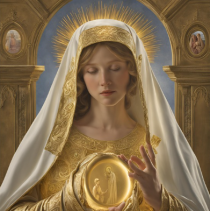

  • Guided Chakra Clearing Meditation with Flowers, Crystals, and the Virgin Mary

    Guided Chakra Clearing Meditation with Flowers, Crystals, and the Virgin Mary

    Begin by finding a comfortable seated position.

    Close your eyes and take a deep breath in, filling your lungs with fresh air. Slowly exhale, letting go of any stress or tension. Do this two more times, allowing each breath to bring you into a calm, peaceful state.

    Now, visualize a soft white light above your head. This light represents the Divine energy and love of the Virgin Mary, pure and gentle. With each breath, feel this light flowing down through the top of your head, entering your body, and filling you with warmth and peace.

    1. Root Chakra (Muladhara) – Red Rose and Smoky Quartz
    • Bring your awareness to the base of your spine, where your Root Chakra resides. It is the foundation of your energy, connecting you to the earth.
    • Visualize a red rose blooming at your Root Chakra, its vibrant petals grounding you to the Earth and filling you with stability and strength.
    • Place an imaginary Smoky Quartz crystal near your Root Chakra. Imagine its energy anchoring you deeper into the earth, dissolving fear and creating a sense of safety.
    • With the Virgin Mary’s gentle presence, ask her to bless this center with security, grounding, and stability.

    Breathe deeply, and feel any tension or anxiety release into the Earth. Affirm: „I am safe. I am grounded. I am supported.“

    1. Sacral Chakra (Svadhisthana) – Orange Lily and Carnelian
    • Move your focus to the area just below your navel, where the Sacral Chakra resides. This is the center of your emotions, creativity, and joy.
    • Imagine an orange lily blossoming at your Sacral Chakra, its bright color radiating warmth and passion. Feel this flower nurturing your emotions and creative energy.
    • Place a Carnelian crystal in this space, infusing your body with vitality, confidence, and enthusiasm.
    • Visualize the Virgin Mary blessing this center, filling it with her nurturing love and gentle encouragement for your creative expression and emotional balance.

    Affirm: „I embrace my creativity. I honor my emotions. I am radiant with joy.“

    1. Solar Plexus Chakra (Manipura) – Yellow Sunflower and Citrine
    • Bring your awareness to your Solar Plexus, located just above your stomach, the center of your personal power and confidence.
    • Visualize a golden sunflower opening up at this chakra, its bright yellow petals turning toward the sun. Feel its energy empowering you and strengthening your sense of self-worth.
    • Imagine a Citrine crystal resting here, amplifying your inner strength and clarity. This crystal radiates the energy of personal power, success, and self-assurance.
    • Ask the Virgin Mary to bless this space with courage, self-belief, and the ability to shine brightly in all you do.

    Affirm: „I am strong. I am confident. I step into my power with grace.“

    1. Heart Chakra (Anahata) – Pink Rose and Rose Quartz
    • Now, move your focus to the center of your chest, to the Heart Chakra, the seat of love, compassion, and forgiveness.
    • Visualize a soft pink rose blooming at your Heart Chakra, its delicate petals opening wide, filling you with unconditional love and compassion.
    • Place a Rose Quartz crystal here, allowing it to radiate the energy of love, peace, and healing. Feel this love extending to yourself and to everyone around you.
    • The Virgin Mary places her hands gently on your heart, blessing you with infinite love and compassion, reminding you that you are always supported by Divine love.

    Affirm: „I am love. I give and receive love effortlessly. My heart is open and full of peace.“

    1. Throat Chakra (Vishuddha) – Blue Hydrangea and Aquamarine
    • Move up to your Throat Chakra, located at the base of your throat. This is the center of communication and truth.
    • Visualize a blue hydrangea flower blooming in your throat, its calming blue petals helping you express your truth with clarity and kindness.
    • Imagine a clear Aquamarine crystal placed at your throat, soothing and purifying this center, encouraging authentic and clear communication.
    • The Virgin Mary blesses your Throat Chakra, encouraging you to speak your truth with love, patience, and confidence.

    Affirm: „I speak my truth clearly and with love. My voice is powerful and kind.“

    1. Third Eye Chakra (Ajna) – Purple Iris and Amethyst
    • Now, bring your attention to the space between your eyebrows, your Third Eye Chakra, the center of intuition and insight.
    • Visualize a deep purple iris flower blooming here, awakening your inner vision and expanding your consciousness.
    • Place an Amethyst crystal at your Third Eye, allowing it to enhance your intuition and connect you to your higher wisdom.
    • The Virgin Mary places a kiss on your forehead, blessing this chakra with Divine wisdom and guidance, helping you see with clarity and trust your intuition.

    Affirm: „I trust my intuition. I see clearly. I am guided by Divine wisdom.“

    1. Crown Chakra (Sahasrara) – White Lotus and Clear Quartz
    • Finally, move your focus to the top of your head, to the Crown Chakra, the center of your connection to the Divine.
    • Visualize a white lotus flower unfolding at the top of your head, its petals reaching upward toward the heavens, connecting you to Divine light and spiritual guidance.
    • Imagine a Clear Quartz crystal here, amplifying your connection to the infinite wisdom of the Universe and the Divine.
    • The Virgin Mary gently places her hands over your Crown Chakra, showering you with pure, radiant white light, connecting you fully to the Divine source of love, peace, and healing.

    Affirm: „I am connected to the Divine. I am one with the Universe. I receive Divine wisdom and light.“

    Closing the Meditation

    Now, visualize the light of the Virgin Mary surrounding your entire being, filling you with peace, protection, and love. She wraps you in her embrace, assuring you that you are safe, loved, and whole.

    Take three deep breaths. With each inhale, feel the energy of the flowers, crystals, and the Virgin Mary strengthening your chakras. With each exhale, release any lingering tension or blockages.

    When you are ready, gently open your eyes and bring your awareness back to the present moment.

    Affirm: „I am balanced. I am healed. I am at peace.“

    Take a moment to sit quietly, feeling the peace and calm in your mind, body, and spirit. Know that this sacred space is always available to you, and the Virgin Mary’s love is always with you.

    This meditation is designed to bring both spiritual connection and energetic healing, aligning your chakras and allowing you to rest in the presence of Divine love and peace.

  • Children of Light

    Children of Light

    „Children of Light“ refers to a spiritual or metaphysical concept found in various religious, esoteric, and philosophical traditions. These children are often viewed as enlightened beings or individuals who possess higher awareness, inner purity, and a deep connection to the divine or spiritual realms. Below are several interpretations of the term and what it signifies:

    1. Biblical and Religious Interpretations

    In Christian theology, the term „Children of Light“ appears in the Bible, often in contrast to „Children of Darkness.“ It symbolizes individuals who live in righteousness, following God’s commandments and walking in spiritual truth. They are described as being guided by the light of faith, morality, and divine wisdom.

    • New Testament Reference: The Apostle Paul, in his letter to the Ephesians, refers to believers as „Children of Light“ (Ephesians 5:8), calling them to live a life of goodness, righteousness, and truth.
    • Spiritual Transformation: In this context, being a „Child of Light“ involves turning away from sin and darkness, embracing spiritual growth, and manifesting divine qualities in daily life.

    2. New Age and Spiritual Interpretations

    In New Age spirituality and metaphysical beliefs, „Children of Light“ refers to people (often children or younger generations) who are spiritually awakened and embody higher consciousness. These individuals are said to carry a special energy or aura that reflects their mission to bring healing, peace, and enlightenment to the world.

    • Lightworkers and Starseeds: The concept aligns with the idea of „lightworkers“ or „starseeds,“ people who are believed to come from other realms or dimensions to assist humanity in its spiritual evolution. These individuals often feel a deep sense of purpose related to uplifting the planet and guiding others toward love and unity.
    • Indigo, Crystal, and Rainbow Children: These are groups of spiritually advanced children said to be born with specific missions to help humanity transition into a new era of higher consciousness. „Children of Light“ can sometimes be used synonymously with these categories, suggesting that they are harbingers of a brighter, more compassionate future.

    3. Esoteric and Mystical Teachings

    In esoteric traditions, „Children of Light“ are those who have achieved a higher level of spiritual enlightenment or gnosis. They are said to have transcended the material limitations of the world and live in alignment with spiritual laws and cosmic truths.

    • Gnostic Beliefs: In Gnostic traditions, the term is used to describe individuals who have attained direct knowledge of the divine (gnosis) and who are free from the ignorance and darkness of the material world. They are often seen as spiritual seekers who have undergone inner transformation.
    • Ancient Egyptian and Hermetic Teachings: The term „Children of Light“ can be traced back to ancient spiritual practices in Egypt and the Hermetic tradition, where it signified those who followed the path of wisdom, seeking truth and connection with higher cosmic forces.

    4. Psychological and Symbolic Interpretation

    In a psychological or symbolic context, „Children of Light“ can be seen as those who embody positive qualities like love, kindness, empathy, and awareness. They symbolize the higher potential within all human beings to live in harmony, integrity, and enlightenment.

    • Inner Illumination: This can be a metaphor for personal transformation, where individuals move from ignorance or ego-driven behavior (darkness) to a state of self-awareness, emotional intelligence, and inner peace (light).
    • Symbol of Hope: „Children of Light“ can also represent hope for humanity’s future, especially in times of darkness, conflict, or confusion. They are seen as beacons of positive change, offering a way forward through love, understanding, and spiritual wisdom.

    5. Cultural and Literary Uses

    The phrase „Children of Light“ is sometimes used in literature and culture to describe protagonists or groups of people who fight for good, truth, and justice. It symbolizes the battle between good and evil, where the „children of light“ represent the forces of righteousness, hope, and liberation.

    • In Literature: Authors and poets may use the term to evoke imagery of purity, innocence, and the struggle for moral and spiritual clarity.
    • In Popular Culture: The concept has appeared in various films, books, and media as a symbol of enlightened or spiritually gifted characters who lead others out of darkness or despair.

    „Children of Light“ is a powerful metaphor that spans across religious, spiritual, and philosophical domains. Whether interpreted through the lens of Christian scripture, New Age spirituality, or esoteric teachings, these individuals are seen as bringers of hope, transformation, and higher consciousness. They symbolize the potential for all people to transcend the darkness of ignorance, fear, and materialism, moving toward a more enlightened and spiritually aware existence.

  • Healing the past and future with Reiki

    Healing the past and future with Reiki

    Healing the past and future with Reiki is an advanced practice that aligns with the core principles of Reiki energy healing, specifically focusing on the idea that energy transcends time and space. Reiki practitioners believe that the energy can be directed not only to heal the present but also to address unresolved traumas from the past and bring positive influence to future events.

    1. Reiki and the Concept of Time

    Reiki operates on the premise that everything is made up of energy, and this energy exists beyond the constraints of linear time. This aligns with the broader spiritual perspective that past, present, and future are interconnected, and healing can happen at any point in the time continuum.

    • Healing the Past: In Reiki, it’s believed that emotional and spiritual blockages from the past, such as trauma or unresolved emotions, can continue to affect an individual’s well-being in the present. By sending Reiki energy to the past, the practitioner can help release these blockages and bring peace to events that still impact their emotional or physical health today.
    • Healing the Future: Similarly, sending Reiki to the future is a way of ensuring that energy flows harmoniously toward upcoming situations, events, or goals. This can help the individual approach future experiences with greater clarity, balance, and positive energy.

    2. The Role of Reiki Symbols in Healing Past and Future

    In advanced Reiki practices, specific symbols are used to direct energy to different aspects of time. These symbols help Reiki practitioners connect to distant healing, which includes healing across time and space.

    • Hon Sha Ze Sho Nen (the Distance Symbol) is particularly significant in healing the past and future. It is known as the symbol that transcends time and space, allowing the practitioner to send energy to past events or future situations. This symbol acts like a bridge, linking the practitioner to the intended target for healing, whether that is a past trauma or a future goal.

    3. Healing the Past with Reiki

    When addressing the past in a Reiki session, the practitioner focuses on releasing energetic imprints from previous experiences that may still be affecting a person’s physical, emotional, or spiritual health. These imprints can manifest as limiting beliefs, emotional wounds, or unresolved trauma.

    • Approach:
      • The practitioner or the individual receiving Reiki identifies the specific event or period in the past that they feel requires healing.
      • With the intention set, the practitioner draws the Hon Sha Ze Sho Nen symbol and sends Reiki energy to that moment in time.
      • The energy helps to release the emotional charge attached to the past event, offering resolution, forgiveness, or closure.
      • This process can help the individual feel liberated from past pain, leading to greater peace in the present.
    • Benefits of Healing the Past:
      • Emotional release: Reiki can help dissolve emotional wounds, such as fear, guilt, resentment, or anger, that originated in the past.
      • Forgiveness and closure: The energy can assist in finding forgiveness—either for oneself or others—which can be transformative for moving forward in life.
      • Alleviating physical symptoms: Many physical ailments are believed to be rooted in unresolved emotional or spiritual issues. By healing the past, these physical symptoms may diminish or disappear.

    4. Healing the Future with Reiki

    Sending Reiki energy to the future is a practice that involves setting an intention for positive outcomes in upcoming events or life stages. It’s often used when someone is preparing for significant life changes, such as starting a new job, moving to a new place, or even undergoing medical procedures.

    • Approach:
      • The practitioner and client discuss the future event or situation where healing energy is needed (e.g., an important meeting, surgery, or a major life decision).
      • Using the Hon Sha Ze Sho Nen symbol, the practitioner sends Reiki to that future moment, setting the intention for a positive outcome and infusing the event with healing energy.
      • The recipient may feel more confident, balanced, and prepared for the future event after receiving this Reiki energy.
    • Benefits of Healing the Future:
      • Manifesting positive outcomes: Sending Reiki to future events can help ensure that things unfold with grace and alignment with one’s highest good.
      • Reducing anxiety about the unknown: Many people feel anxious about future uncertainties, but Reiki can help bring a sense of calm and trust that everything will work out as it should.
      • Boosting success: Reiki energy can enhance one’s ability to achieve goals and manifest dreams by helping clear energetic blockages related to fear or doubt.

    5. Practical Techniques for Healing Past and Future with Reiki

    Healing past and future events with Reiki can be done either through self-Reiki practices or with the help of a Reiki practitioner. Below are common steps that can be followed:

    • Step 1: Set the Intention
      • Clearly identify the past trauma or the future event you wish to heal. The more specific the intention, the more focused the Reiki energy will be.
      • You can visualize the event or write it down before starting the session.
    • Step 2: Use the Reiki Symbols
      • As part of the practice, the practitioner draws the Hon Sha Ze Sho Nen symbol, which allows the energy to transcend time and space.
      • For past healing, visualize the event from the past, sending Reiki energy to dissolve any negative emotional charge.
      • For future healing, visualize the event unfolding with a positive outcome, sending Reiki energy to support its success.
    • Step 3: Allow the Energy to Flow
      • Trust in the energy flow. Reiki energy is intelligent and knows exactly where to go and what to do. As the practitioner channels the energy, it will begin to work on healing the emotional, physical, and spiritual layers of the past or future situation.
    • Step 4: Close the Session with Gratitude
      • After completing the session, express gratitude for the healing received. This helps solidify the healing process and allows the energy to integrate.

    6. Personal Empowerment Through Healing Time with Reiki

    A key aspect of Reiki healing for the past and future is the empowerment it gives individuals to reshape their experiences. By addressing unresolved issues from the past or sending positive energy to future challenges, individuals can reclaim their power and transform their lives.

    • Healing the past can bring closure and peace to deep wounds, enabling someone to live more freely in the present without the weight of past experiences.
    • Healing the future allows individuals to enter upcoming experiences with confidence, knowing they are energetically supported, leading to better decisions and a higher likelihood of success.

    7. Integrating Past and Future Healing into Daily Reiki Practice

    Many people who practice Reiki incorporate past and future healing into their regular routines, not only for major events but also for day-to-day issues, such as resolving small conflicts or setting intentions for future tasks.

    • Daily Practice: You can perform a daily Reiki session where you briefly send energy to moments in the past or future, ensuring ongoing healing and balance.
    • Affirmations: Use affirmations alongside Reiki sessions, such as “I release all that no longer serves me” (for past healing) or “I embrace the future with peace and confidence” (for future healing).

    Healing the past and future with Reiki is a powerful technique that allows individuals to address emotional wounds, unresolved traumas, and uncertainties in a holistic manner. Through the use of Reiki symbols like Hon Sha Ze Sho Nen, practitioners can transcend the boundaries of time, promoting healing, peace, and positive transformation for both past experiences and future events.

  • Angels in energy therapies

    Angels in energy therapies

    Angels in energy therapies often represent a spiritual or metaphysical aspect that practitioners and clients may connect with during healing sessions. Here’s an overview of how angels are perceived and utilized in various energy therapies:

    1. Symbolism of Angels

    • Guidance and Protection: Angels are seen as benevolent beings that offer guidance, protection, and support during healing processes. They are often called upon to assist in balancing energy and enhancing the therapeutic experience.
    • Higher Vibrational Energy: Practitioners believe that angels resonate at a high vibrational frequency, which can help elevate the energy of the space and the individuals involved in the therapy.

    2. Types of Energy Therapies

    • Reiki: In Reiki, practitioners may invoke angels to enhance healing energy. Some believe that specific angels are associated with different healing properties (e.g., Archangel Raphael for healing).
    • Crystal Healing: Certain crystals are believed to be attuned to angelic energies, and practitioners may incorporate these stones while calling on angels to amplify the healing process.
    • Meditation and Visualization: Guided meditations often include visualizing angels surrounding the practitioner and client, providing comfort and healing.

    3. Practitioner Approaches

    • Angel Therapy: Developed by Doreen Virtue, this form of therapy focuses explicitly on communicating with angels to receive guidance and healing.
    • Intuitive Healing: Many intuitive healers may channel angelic energies during their sessions, helping clients to connect with their spiritual guides and receive insights.

    4. Benefits of Incorporating Angels

    • Emotional Healing: The presence of angels can help individuals release emotional blockages and foster a sense of peace and security.
    • Spiritual Connection: Clients often report feeling more connected to their spirituality and receiving messages or insights from the angelic realm during sessions.

    5. Common Angels in Healing Practices

    • Archangel Michael: Known for protection and courage, often called upon to help with personal empowerment and shielding from negative energy.
    • Archangel Raphael: Associated with physical and emotional healing, frequently invoked during sessions focused on health and recovery.
    • Archangel Gabriel: Represents communication and clarity, aiding in expression and creativity.

    6. How to Engage with Angelic Energy

    • Setting Intentions: Practitioners often encourage clients to set intentions for their healing sessions, which can include asking for specific angelic assistance.
    • Creating Sacred Space: Using crystals, incense, or sacred symbols can help create an environment conducive to connecting with angelic energies.

    In Reiki therapies, angels are often invoked to enhance the healing process, offering spiritual guidance, protection, and additional energy to assist both the practitioner and the client. While Reiki itself is a Japanese energy healing modality centered on channeling „universal life force energy“ through the practitioner to the recipient, many practitioners integrate angelic energies into their practice. This blend of Reiki with angelic invocation is sometimes referred to as Angel Reiki or simply Reiki with angelic assistance.

    Role of Angels in Reiki Therapies

    1. Enhancing Healing Energy:
      • Angels are believed to be high-vibrational spiritual beings, and their energies are thought to amplify the Reiki energy. Practitioners call upon angels to strengthen the flow of healing energy to clear blockages and promote emotional, physical, and spiritual healing.
    2. Angel Reiki Attunement:
      • Some Reiki practitioners receive a specific angel attunement, which connects them more deeply with angelic beings. This attunement allows them to channel not just universal life force energy but also the healing presence of angels during a session. Practitioners may feel guided to use certain symbols or visualizations associated with angels to enhance the process.
    3. Angels as Guides and Protectors:
      • Angels are often invoked to protect the healing space and the participants during a Reiki session. For example, Archangel Michael, known as a protector, may be called upon to shield the session from negative energies, while Archangel Raphael is frequently invoked for his healing abilities.
    4. Angel Invocation During Sessions:
      • Prayer or Meditation: At the beginning of a Reiki session, practitioners may say a prayer or set an intention to invite specific angels or archangels to assist with the healing. This can be done silently or aloud, depending on the practitioner’s preference and the client’s comfort level.
      • Channeling Angelic Energy: During the session, practitioners may visualize angels surrounding the client, guiding the healing energy to areas of the body that need attention. Some practitioners report sensing or „hearing“ guidance from angels that helps them direct the flow of energy more effectively.

    Common Angels Invoked in Reiki

    1. Archangel Raphael:
      • Known as the angel of healing, Raphael is one of the most commonly invoked angels in Reiki therapies. His energy is said to assist in physical and emotional healing, making him ideal for Reiki practitioners focusing on health and well-being.
    2. Archangel Michael:
      • Often called upon for protection, Archangel Michael helps clear negative or stagnant energy during Reiki sessions. His presence is believed to create a safe and secure healing environment for both practitioner and client.
    3. Archangel Gabriel:
      • Gabriel, known as the angel of communication, may be invoked during Reiki sessions where clarity, expression, or emotional release is needed. Gabriel’s energy is often associated with creativity and guidance for life changes.
    4. Archangel Uriel:
      • Uriel is believed to assist with wisdom, insight, and transformation. Uriel’s energy can help during Reiki sessions aimed at mental clarity or spiritual awakening.

    Techniques for Incorporating Angels into Reiki

    1. Visualization:
      • Practitioners may visualize angels surrounding the client or hovering above the treatment table, directing healing light and energy to the client’s body. Each angel may be imagined with a specific color or light that corresponds to their role (e.g., green light for Archangel Raphael’s healing energy).
    2. Reiki Symbols and Angelic Energy:
      • Reiki symbols, such as the Cho Ku Rei (the power symbol), may be charged with angelic energy during a session. Practitioners can visualize the symbol infused with the presence of an angel, amplifying its effects.
    3. Crystal Grids and Angelic Connections:
      • Some Reiki practitioners use crystal grids to strengthen their connection with angels during the session. Specific crystals like angelite, selenite, or amethyst are believed to resonate with angelic energy and can help create a powerful healing space.
    4. Client Participation:
      • Clients may be invited to connect with angels themselves by setting their own intentions before the session. They might request the assistance of a specific angel or ask for general angelic guidance during their healing.

    Benefits of Integrating Angels into Reiki

    1. Deeper Emotional Healing:
      • Angels are seen as compassionate and loving beings, which can create a profound sense of emotional safety and peace for the client. This can help facilitate emotional healing and the release of deeply held fears or traumas.
    2. Spiritual Growth:
      • Reiki with angels often leads to heightened spiritual awareness, as clients may feel a stronger connection to their higher self or spiritual guides. This can support ongoing personal development and transformation.
    3. Increased Intuition for the Practitioner:
      • Many practitioners report that working with angels sharpens their intuitive abilities. They may receive clearer guidance about where to direct energy or insight into the client’s physical or emotional state.

    Signs of Angelic Presence in Reiki Sessions

    • Warmth or Tingling Sensations: Practitioners and clients may feel warmth or tingling in areas where angels are believed to be present or working.
    • Feeling of Being Surrounded: Some clients report feeling a gentle, comforting presence, as though they are surrounded by protective beings.
    • Flashes of Light or Color: Visual phenomena such as flashes of light, or seeing particular colors (associated with specific angels), can indicate the presence of angelic beings.

    In conclusion, integrating angels into Reiki therapies is a powerful way to enhance the healing experience, providing a deeper spiritual connection and support. Many practitioners find that calling upon angels like Archangel Raphael or Michael elevates the session’s energy and promotes more profound healing for their clients. Whether through attunements, visualizations, or simply setting intentions, angels play an important role in facilitating holistic healing in Reiki practices.

    In summary, angels play a significant role in many energy therapies, providing emotional support, spiritual guidance, and enhancing the overall healing experience. Practitioners and clients alike may find comfort and empowerment in invoking angelic energies during their therapeutic journeys.

  • Gratitude and Positive Thinking in Spirituality: Keys to Personal Transformation

    Gratitude and Positive Thinking in Spirituality: Keys to Personal Transformation

    Gratitude and positive thinking are fundamental concepts in spirituality that foster inner peace, personal growth, and a deeper connection to the world around us. They represent powerful tools for transforming our mindset and shifting our perspective, allowing us to align more closely with universal principles of love, abundance, and well-being. In spiritual practices across different traditions, cultivating gratitude and maintaining a positive mindset are seen as pathways to not only improving one’s life but also enhancing spiritual awareness and enlightenment.

    Gratitude in Spirituality

    Gratitude is more than simply saying “thank you”; it is a deep sense of appreciation for life’s blessings, both big and small. In spiritual contexts, gratitude is often considered a practice that aligns individuals with the flow of divine energy, fostering a sense of abundance and fulfillment.

    1. Gratitude as a Spiritual Practice

    Gratitude involves recognizing the interconnectedness of all life and appreciating the contributions of others, the universe, and divine forces. Many spiritual traditions emphasize the importance of gratitude as a daily practice to acknowledge the sacredness of life.

    • Christianity teaches gratitude through prayer and thanksgiving to God for life’s blessings.
    • Buddhism emphasizes mindfulness and gratitude for the present moment and all experiences, both pleasant and painful, as part of the path to enlightenment.
    • Hinduism encourages gratitude for the natural world, divine providence, and the interconnectedness of all beings, often expressed through rituals and offerings.

    In all these traditions, gratitude is not just about acknowledging what is good in life but also about understanding that even challenges and hardships contribute to personal and spiritual growth. By adopting this broader perspective, individuals can cultivate resilience and a deeper sense of trust in life’s unfolding.

    2. The Energy of Gratitude

    Gratitude is often seen as a high-frequency energy in spiritual practices, one that aligns individuals with the universal flow of love and abundance. According to the Law of Attraction, for example, expressing gratitude for what you have invites more positivity and abundance into your life. When you focus on what you are thankful for, you naturally raise your vibration and align yourself with more of those positive experiences.

    Practicing gratitude helps shift focus away from lack or negativity, reducing stress and anxiety while promoting emotional well-being. This shift in energy allows people to feel more grounded, centered, and spiritually connected.

    3. Gratitude and Mindfulness

    Gratitude is closely tied to mindfulness, the practice of being fully present in the moment. When we cultivate mindfulness, we become more aware of the everyday blessings that we often overlook—the warmth of the sun, a kind word from a friend, the nourishment of food. By recognizing these small, yet meaningful aspects of life, gratitude grows naturally.

    Mindful gratitude enhances our ability to connect with the present moment, bringing a sense of peace and contentment. In this way, it opens the door to greater spiritual awareness, as we begin to see the divine presence in all things.

    Positive Thinking in Spirituality

    Positive thinking is another key element in spirituality that emphasizes the power of the mind to shape reality. It encourages individuals to focus on solutions, possibilities, and the positive aspects of any situation, rather than dwelling on problems, limitations, or fears. From a spiritual standpoint, positive thinking is about aligning one’s thoughts with higher frequencies of love, joy, and abundance.

    1. The Power of the Mind

    Many spiritual traditions and modern metaphysical teachings emphasize the idea that thoughts are powerful and can influence not only our emotional and mental state but also our physical reality. Positive thinking is rooted in the belief that the mind has creative power, and that by focusing on positive outcomes, we can manifest those outcomes in our lives.

    • The Law of Attraction suggests that we attract what we focus on. Positive thoughts bring about positive experiences, while negative thoughts can lead to negative outcomes.
    • Metaphysical traditions like New Thought teach that positive thinking and affirmations can help align individuals with the divine and create more fulfilling, prosperous lives.
    • Buddhism and Hinduism emphasize the importance of controlling the mind and thoughts, encouraging practitioners to focus on love, compassion, and detachment from negative emotions.

    In this context, positive thinking is not just about optimism for the sake of being optimistic. It’s about consciously choosing to direct one’s thoughts in a way that aligns with higher spiritual principles and brings harmony, peace, and joy into daily life.

    2. Positive Thinking as a Spiritual Discipline

    Developing positive thinking requires discipline and awareness. In spiritual practices, this often involves techniques like affirmations, meditation, and visualization to train the mind to focus on the positive. By consistently engaging in these practices, individuals can rewire their thought patterns, turning negative, limiting beliefs into empowering, expansive ones.

    For example:

    • Affirmations: Positive affirmations are statements that reinforce uplifting beliefs. Saying things like “I am worthy of love and abundance” or “I am grateful for all the blessings in my life” can shift your mindset and, over time, reprogram your subconscious mind to support more positive outcomes.
    • Meditation: Meditation helps calm the mind and cultivate awareness of your thoughts. By observing your thoughts without judgment, you can begin to let go of negative thinking patterns and focus on higher, more constructive thoughts.
    • Visualization: By imagining positive outcomes and holding onto the feeling of those outcomes as if they have already happened, you help align your mind with the energy of those desired experiences.

    3. Overcoming Negativity with Positive Thinking

    Positive thinking also helps combat negativity and fear, which can block spiritual growth and disconnect us from our higher selves. Fear and negative emotions lower our vibration, trapping us in limiting beliefs and self-doubt. In contrast, maintaining a positive outlook allows us to face challenges with greater resilience, learn from them, and trust that life’s difficulties are part of a greater plan.

    In moments of difficulty, spiritual practitioners encourage looking for the lesson or growth opportunity within the challenge. This doesn’t mean ignoring hardships but rather transforming how we engage with them—viewing them as necessary for personal evolution and spiritual growth.

    The Synergy of Gratitude and Positive Thinking

    Gratitude and positive thinking work hand in hand as spiritual tools for transformation. Gratitude helps to cultivate a mindset of abundance, appreciation, and presence, while positive thinking empowers individuals to move through life with a hopeful, forward-looking perspective.

    • Gratitude grounds us in the present: It teaches us to appreciate what we have, creating a foundation for joy and contentment. This appreciation, in turn, makes it easier to maintain positive thoughts, because when we are thankful, we are less likely to dwell on lack or fear.
    • Positive thinking opens doors to future possibilities: By focusing on the positive and envisioning a bright future, we align ourselves with opportunities and possibilities. When paired with gratitude, this mindset becomes even more powerful, as we express thanks for both present blessings and future outcomes.

    Gratitude and Positive Thinking as Spiritual Practices

    Gratitude and positive thinking are essential components of spiritual development. By cultivating these qualities, individuals can transform their inner and outer worlds, moving toward a life of greater joy, peace, and fulfillment. These practices not only improve mental and emotional well-being but also align individuals with higher spiritual principles, allowing for a deeper connection to the divine, the universe, and their own higher selves.

    In spiritual practice, gratitude helps us recognize the beauty of the present moment, while positive thinking empowers us to create a better future. Together, they form a powerful foundation for personal and spiritual growth, inviting us to live in harmony with ourselves and the world around us.

  • Spațiul personal într-o relație

    Spațiul personal într-o relație

    Spațiul personal într-o relație este un concept esențial pentru sănătatea și echilibrul oricărui parteneriat, fie el romantic, familial sau de prietenie. Se referă la nevoia fiecărei persoane de a-și menține o anumită autonomie, intimitate și independență, chiar și atunci când este într-o relație apropiată. Acest echilibru între conexiune și autonomie este vital pentru ca relația să prospere pe termen lung.

    Ce este spațiul personal?

    Spațiul personal înseamnă timpul, energia și granițele emoționale sau fizice pe care o persoană le păstrează pentru sine, pentru a-și menține echilibrul interior și a-și dezvolta propriile interese și identitate. Fiecare persoană are o toleranță și o nevoie diferită de spațiu personal, care poate varia în funcție de personalitate, circumstanțe sau faza relației.

    Importanța spațiului personal într-o relație:

    1. Prevenirea sufocării emoționale: Atunci când partenerii petrec prea mult timp împreună sau nu respectă nevoia de spațiu al celuilalt, relația poate deveni sufocantă. Fără un spațiu personal adecvat, unul sau ambii parteneri pot simți că își pierd identitatea sau independența.
    2. Promovarea dezvoltării personale: Fiecare individ are nevoie de timp pentru a se concentra pe sine, fie că este vorba de carieră, hobby-uri, prietenii sau introspecție. Spațiul personal permite fiecărui partener să crească și să se dezvolte individual, ceea ce poate aduce o contribuție pozitivă relației.
    3. Întărirea încrederii și respectului reciproc: Respectarea spațiului personal arată încredere și respect față de nevoile și limitele celuilalt. Într-o relație sănătoasă, partenerii își oferă reciproc libertatea de a fi independenți, fără a simți nesiguranță sau gelozie.
    4. Menținerea unei legături echilibrate: Paradoxal, acordarea de spațiu poate întări relația. Când fiecare partener se simte liber să fie sinele său autentic și să își urmeze interesele, relația poate deveni mai solidă și mai echilibrată. Nevoia de interacțiune nu devine o povară, ci o alegere conștientă și plină de bucurie.

    Cum se poate respecta spațiul personal într-o relație?

    1. Stabilirea granițelor clare: Comunicarea este cheia în stabilirea spațiului personal. Fiecare partener trebuie să își exprime nevoile și așteptările în mod clar. De exemplu, un partener poate avea nevoie de o seară pe săptămână pentru a se dedica unui hobby sau pentru a petrece timp singur.
    2. Înțelegerea diferențelor personale: Oamenii au nevoi diferite în ceea ce privește spațiul personal. Unii sunt mai introvertiți și au nevoie de mai mult timp singuri pentru a se reîncărca, în timp ce alții pot prefera mai multă interacțiune. Este important ca fiecare să respecte stilul celuilalt.
    3. Evitarea codependenței: Codependența apare atunci când unul sau ambii parteneri devin excesiv de dependenți de celălalt pentru fericirea și echilibrul lor emoțional. Este important ca fiecare partener să își mențină surse individuale de bucurie, sens și împlinire.
    4. Petrecerea timpului separat: Este sănătos pentru parteneri să aibă timp pentru prieteni, familie sau hobby-uri fără celălalt. Acest lucru nu înseamnă că relația suferă, ci că fiecare își respectă propriile nevoi și interese.
    5. Menținerea echilibrului între „noi” și „eu”: Într-o relație sănătoasă, există un echilibru între timpul petrecut împreună și cel petrecut separat. Dacă există o relație de tip „noi”, este important să nu se piardă identitatea de „eu”. Ambele aspecte contribuie la stabilitatea și fericirea relației.

    Semne că spațiul personal nu este respectat:

    • Sentimentul de sufocare sau lipsă de libertate: Dacă un partener se simte copleșit de atenția sau solicitările celuilalt, ar putea fi un semn că spațiul personal nu este respectat.
    • Gelozie excesivă sau control: Un partener care încearcă să limiteze timpul pe care celălalt îl petrece cu prietenii sau familia poate să nu respecte nevoia de spațiu personal.
    • Nevoia constantă de aprobare: Dacă un partener simte că trebuie să își ceară permisiunea pentru orice activitate separată, acest lucru poate indica o problemă legată de autonomie.

    Cum să gestionezi nevoia de spațiu într-o relație:

    1. Comunică deschis și sincer: Spune-i partenerului tău de ce ai nevoie de spațiu personal și cum acest lucru te ajută să fii o persoană mai echilibrată și mai fericită.
    2. Ascultă și empatizează: La fel de important este să înțelegi și nevoile de spațiu ale partenerului tău. Poți discuta cum puteți găsi un echilibru care să funcționeze pentru amândoi.
    3. Evitați extremitățile: Nu trebuie să petreci tot timpul împreună, dar nici să te distanțezi complet. Echilibrul este cheia: găsiți un ritm care să respecte atât nevoia de conexiune, cât și cea de independență.

    Spațiul personal într-o relație nu înseamnă distanțare emoțională sau lipsă de iubire, ci mai degrabă o formă de respect reciproc și o modalitate de a păstra echilibrul între „eu” și „noi”. Atunci când spațiul personal este respectat, relația poate deveni mai profundă și mai sănătoasă, permițând fiecărei persoane să evolueze în mod individual, dar și să contribuie pozitiv la viața de cuplu.

  • Hedgehog as a totem animal

    Hedgehog as a totem animal

    In shamanic traditions and spiritual symbolism, animals are often viewed as powerful guides, each offering unique wisdom and qualities. When a hedgehog appears as a totem animal or spirit guide, it carries specific messages and characteristics that can offer insight into how to navigate life’s challenges and opportunities. The hedgehog, though small and unassuming, is full of deep symbolic meaning.

    Symbolism and Lessons of the Hedgehog Totem:

    1. Protection and Boundaries: Hedgehogs are known for their protective spines, which they use to defend themselves by curling into a ball when threatened. As a totem, the hedgehog reminds you of the importance of setting boundaries and creating a safe space for yourself, both physically and emotionally. It teaches that it is okay to retreat and protect yourself when feeling vulnerable, but also to recognize when it’s safe to uncurl and re-engage with the world.
    2. Self-Reliance and Independence: The hedgehog is a solitary creature that relies on its instincts and natural defenses to survive. As a totem animal, it may indicate that you are self-sufficient and have the inner resources to navigate difficult situations. It also encourages a sense of independence and trusting in your own wisdom.
    3. Gentleness and Defense Without Aggression: Despite its defensive abilities, the hedgehog is not an aggressive animal. Its response to danger is not to attack but to protect itself passively. This can be a lesson in using non-confrontational methods to deal with conflict, suggesting that strength doesn’t always require aggression. The hedgehog teaches the value of quiet strength and gentle protection.
    4. Curiosity and Exploration: Hedgehogs are naturally curious creatures, known for foraging and exploring their surroundings, often at night. If the hedgehog is your totem, it could symbolize the importance of maintaining curiosity, exploring new paths, and being open to new experiences. It may also guide you to examine things below the surface, encouraging introspection and a deeper understanding of the world around you.
    5. Resilience and Adaptability: Hedgehogs have adapted to a variety of environments and climates. This ability to survive in diverse settings is symbolic of adaptability and resilience. As a totem, the hedgehog reminds you that even in the face of challenges, you have the capacity to adapt and thrive.
    6. Connection to the Earth: Hedgehogs are strongly connected to the earth. They burrow and live close to the ground, symbolizing a grounded approach to life and a connection to nature. If the hedgehog is your spirit animal, it may be guiding you to stay rooted, balanced, and in touch with the natural world. This grounded energy can provide stability and clarity during times of uncertainty.
    7. Patience and Timing: Hedgehogs are nocturnal and move slowly, symbolizing patience and the importance of timing. If the hedgehog has appeared in your life, it could be a reminder to slow down and trust the natural unfolding of events. It encourages taking your time, being patient, and knowing when to act.

    Hedgehog in Dreams and Spiritual Messages:

    If the hedgehog appears in your dreams or during meditative visions, it could be carrying a message about protection, caution, or the need to retreat and reflect. It may also be encouraging you to create safe spaces in your relationships or personal life, or it might signal that you need to be more aware of your boundaries.

    • Dreaming of a hedgehog could symbolize that you are in a phase where self-protection is necessary or that you may be feeling threatened in some way. It could also mean you’re being encouraged to explore your environment more carefully before jumping into situations.

    Practical Ways to Connect with the Hedgehog Spirit:

    • Meditation: Spend time in meditation visualizing the qualities of the hedgehog. Ask what aspects of its energy you need in your life—whether it’s better boundaries, patience, or greater curiosity.
    • Nature Walks: Engage in mindful walks in nature, tuning into the energy of small, grounded creatures like the hedgehog. Observe how they move and live in harmony with their environment.
    • Symbols: Keep an image or symbol of a hedgehog around you to remind yourself of its qualities. Whether as a small figurine or a picture, its presence can help you embody its lessons.

    When the Hedgehog Appears:

    When the hedgehog appears as a totem, it may be urging you to:

    • Protect your energy and create safe boundaries.
    • Be patient and take your time in important decisions.
    • Approach life with curiosity and open-mindedness.
    • Rely on your inner strength and adaptability in times of change.
    • Trust that it’s okay to retreat for self-care when necessary.

    In summary, the hedgehog as a totem animal brings lessons of self-protection, gentleness, curiosity, resilience, and grounded wisdom. Its presence in your life is a reminder of the power of quiet strength and the importance of honoring your own pace and boundaries in navigating the world.

  • Shamanism -Bridging Earth and Sky & Soul Recovery

    Shamanism -Bridging Earth and Sky & Soul Recovery

    Shamanism, as a spiritual practice, seeks to bridge the realms of Earth and Sky by connecting the physical world (Earth) with the spiritual world (Sky) through rituals, ceremonies, and healing practices. Central to this is the shaman, a healer, and guide, who acts as an intermediary between these realms to restore balance, heal the soul, and bring wisdom from the spiritual plane to the earthly plane. Two key concepts within this tradition are the idea of Bridging Earth and Sky and Soul Recovery.

    Bridging Earth and Sky in Shamanism:

    Shamans believe in the interconnectedness of all life forms, nature, spirits, and cosmic forces. The phrase “Bridging Earth and Sky” refers to the shaman’s role as a link between the physical and spiritual worlds. Through the use of altered states of consciousness (often achieved by drumming, chanting, or using entheogenic plants), shamans journey into non-ordinary reality to seek guidance from spirit helpers, ancestors, or animal totems. This journey is seen as traveling vertically between three realms:

    1. The Lower World (Earth): Connected to nature, ancestors, and animal spirits, this world contains wisdom about physical survival, grounding, and primal energies.
    2. The Middle World: This is the world we inhabit but also includes its energetic and spiritual layers. Shamans use this world to work with plants, land spirits, or perform healing for individuals in real-time.
    3. The Upper World (Sky): Often associated with celestial beings, higher consciousness, and the divine, it is the realm where guidance, inspiration, and spiritual wisdom reside.

    Through this bridging process, the shaman brings healing, messages, and knowledge to their community or the individual they are working with. They help maintain harmony between the physical and spiritual realms, ensuring that human life stays in balance with nature and the cosmos.

    Soul Recovery in Shamanism:

    Soul loss is a core concept in shamanism. It is believed that traumatic events, emotional distress, or prolonged suffering can cause parts of the soul to fragment or become disconnected from the person. These missing parts of the soul leave the individual feeling incomplete, leading to issues such as depression, illness, a sense of disconnection, or recurring patterns of misfortune.

    Soul recovery (or soul retrieval) is a healing technique where the shaman, through a spiritual journey, seeks to recover and reintegrate these lost fragments of the soul. The process typically follows several steps:

    1. Journeying to Find the Lost Soul Fragment: The shaman enters a trance state and journeys to the realm where the lost part of the soul resides. This can be the Lower World, the Upper World, or other spiritual realms, depending on the situation.
    2. Negotiating the Return: Sometimes the soul fragment is held in a specific place, trapped by past trauma, entities, or emotional baggage. The shaman may need to heal or negotiate the release of the soul piece.
    3. Reintegration: Once the fragment is retrieved, the shaman returns it to the person, often blowing it back into their body through breath or through the heart and crown chakras.
    4. Healing and Aftercare: After a soul retrieval, individuals may need time to process and reintegrate the aspects of themselves that were lost. This often involves making lifestyle changes, letting go of unhealthy relationships, or embracing new perspectives.

    The Healing Power of Shamanic Practices:

    Shamanism emphasizes balance—both within the individual and between the person and the greater cosmos. The practices of Bridging Earth and Sky and Soul Recovery are methods of aligning the individual with their deeper soul purpose and ensuring harmony between their physical existence and spiritual essence. Healing through shamanism is holistic, addressing not just the body and mind but the soul, making it deeply transformative for those who participate in it.

    In this way, shamanism offers both a profound connection to the natural and spiritual worlds and practical techniques for healing trauma, finding guidance, and experiencing a deeper sense of unity with all life.

  • Crystals, Orgones and Radionic devices against HAARP Antennas and Psychotronic devices

    Crystals, Orgones and Radionic devices against HAARP Antennas and Psychotronic devices

    The use of crystals, orgonite, and radionic devices to counteract the alleged negative effects of HAARP antennas and psychotronic devices is rooted in a combination of alternative science, metaphysical beliefs, and conspiracy theories. While there is no scientifically verified evidence supporting these claims, some people believe that crystals, orgonite, and radionics can neutralize harmful frequencies or energies generated by devices like HAARP or psychotronic equipment.

    1. HAARP and Psychotronic Devices: The Concerns

    Before delving into the countermeasures, it’s important to understand what HAARP and psychotronic devices are perceived to do in these contexts.

    • HAARP (High-Frequency Active Auroral Research Program) is a research project that focuses on ionospheric manipulation using radio waves. Though HAARP was initially developed for scientific purposes (mainly research into communications and atmospheric phenomena), some believe that HAARP’s radio waves can be used to control weather, influence emotions, or even engage in mind control. However, these ideas are often dismissed by mainstream science as conspiracy theories.
    • Psychotronic devices are believed to use electromagnetic fields, directed energy, or frequencies to influence human thought, emotions, or physical well-being. This belief is rooted in the idea that human consciousness and electromagnetic fields are interconnected, and that certain technologies could exploit these connections for nefarious purposes like mind control, behavior manipulation, or psychological warfare.

    2. Crystals as Countermeasures

    Crystals are thought to emit energies or frequencies that can harmonize, protect, or heal. In metaphysical and alternative healing traditions, each crystal has its own unique properties. Some are believed to provide protection from negative energies or EMF (electromagnetic frequencies), which many claim are emitted by HAARP or psychotronic devices.

    • Black Tourmaline: One of the most popular crystals used for protection against harmful EMFs and negative energy. It is believed to absorb negative energy and neutralize electromagnetic radiation.
    • Shungite: Known for its powerful protective and healing properties, shungite is also reputed to neutralize electromagnetic frequencies. It is often placed near electronic devices to mitigate the effects of EMFs.
    • Amethyst: Traditionally used for calming and protection, amethyst is thought to offer psychic shielding from negative energies or psychic attacks.
    • Selenite: Known for its high vibrational frequency, selenite is often used for clearing negative energy and promoting protection.

    While there is no empirical evidence to support these claims, proponents of crystal healing maintain that these stones help balance the body’s energy field and create a protective barrier against external harmful frequencies.

    3. Orgonite and Orgonics

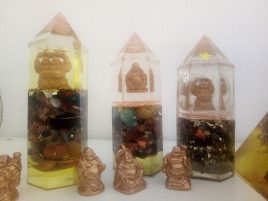
    Orgonite is a substance made from resin, metal shavings, and crystals, designed to transmute negative energy into positive energy. The concept comes from the work of Wilhelm Reich, who coined the term „orgone energy“ in the early 20th century. Reich believed that orgone was a type of life force energy present in all living things, and he created devices called orgone accumulators to harness and channel this energy.

    • How Orgonite is Believed to Work: Orgonite enthusiasts claim that this material transforms negative energy (like harmful EMFs or psychotronic frequencies) into positive energy. By placing orgonite near HAARP towers, psychotronic devices, or other sources of harmful frequencies, some believe that it can neutralize their effects.
    • Cloudbusters: Inspired by Reich’s cloudbuster device, modern orgonite practitioners have built orgonite cloudbusters to allegedly counteract harmful geoengineering, chemtrails, and weather manipulation said to be caused by HAARP.

    Orgonite is typically placed in homes, near computers, or worn as jewelry, in the belief that it offers protection from negative energies and electromagnetic fields. Though this practice is popular in certain metaphysical circles, the scientific community does not recognize orgonite or orgone energy.

    4. Radionics and Radionic Devices

    Radionics is a form of alternative medicine and metaphysical practice that involves using specific devices to interact with subtle energy fields. Practitioners of radionics believe that they can use these devices to influence a person’s health, consciousness, or environment through the tuning of frequencies or energies.

    • How Radionic Devices Work: Radionics devices are based on the idea that all living things emit subtle electromagnetic fields or vibrations, and these can be influenced or adjusted by the use of certain tools or machines. A radionic machine typically has dials, tuning mechanisms, and often uses crystals or sacred geometrical shapes to harness and direct energy.
    • Against HAARP and Psychotronic Devices: Some proponents believe radionic devices can be used to neutralize the harmful frequencies from HAARP and psychotronic devices by either sending out opposing frequencies or „shielding“ an individual or space. The radionic device is “tuned” to specific frequencies that are believed to resonate with healing or protective energies, thereby disrupting or canceling out the harmful effects.

    Though radionics has historical roots going back to the early 20th century, there is no scientific consensus on whether these devices have any real measurable effect. Radionics remains in the realm of metaphysical and pseudoscientific practices.

    5. Combining Crystals, Orgonite, and Radionics for Protection

    In certain spiritual and metaphysical communities, the combination of crystals, orgonite, and radionic devices is seen as a comprehensive defense system against harmful energy, EMFs, and psychotronic attacks:

    • Crystals are placed in the environment to absorb and neutralize negative energy.
    • Orgonite devices are used to transform harmful EMFs or psychotronic energy into beneficial energy.
    • Radionic devices are employed to „tune“ the surrounding energies to more protective frequencies.

    This triad of metaphysical tools is believed by some to provide strong protection against HAARP-generated energies or psychotronic devices, forming a personal or environmental energy field that resists external manipulation.

    6. Scientific Perspective

    It’s important to note that from a scientific viewpoint, there is no evidence to support the efficacy of crystals, orgonite, or radionics in protecting against HAARP or psychotronic devices. The effects of HAARP have been extensively studied and are considered by mainstream scientists to be limited to atmospheric research with no proven capability to control weather or minds.

    Psychotronic devices also remain speculative and are largely discussed in the context of conspiracy theories rather than verified technology.

    The use of crystals and orgonite for EMF protection or energy healing is similarly not supported by scientific research, and is instead classified under alternative medicine or metaphysical practices.

    The belief that crystals, orgonite, and radionic devices can counteract the harmful effects of HAARP antennas or psychotronic devices stems from metaphysical traditions, alternative science, and certain conspiracy theories. While there is no scientific backing for these claims, many people feel that these tools offer protection, healing, and energy balancing in the face of perceived electromagnetic or psychotronic dangers.

    If you are considering using these methods, it’s important to understand that they fall under alternative practices, which often involve personal belief systems rather than empirical validation.