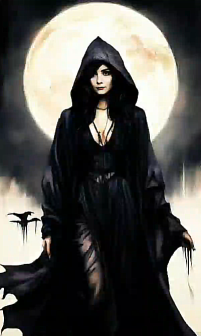
Halloween, celebrated on October 31, is a holiday with roots that trace back thousands of years. Originating from the ancient Celtic festival of Samhain, Halloween has evolved over time into a mix of fun, spookiness, and celebration. For the Celts, Samhain marked the end of the harvest season and the beginning of winter, a time when they believed the veil between the living and the dead was thinnest. People would light bonfires and wear costumes to ward off roaming spirits, believing that the boundaries between the world of the living and the dead blurred on this night.
Evolution and Symbolism
As Christianity spread, Samhain merged with All Saints‘ Day, which was moved to November 1, creating the holiday’s name, All Hallows‘ Eve. Halloween’s association with ghosts, spirits, and the supernatural persisted, and traditions grew as it spread, especially across the British Isles and later in North America. Today, Halloween combines Celtic traditions with influences from other folklore, becoming a secular celebration of all things mysterious and eerie.
Traditions
- Costumes: Originally worn to disguise and protect against spirits, costumes are now a fun way for people to embody everything from monsters to pop culture icons.
- Trick-or-Treating: This tradition evolved from ancient practices where people would go door-to-door asking for food in exchange for prayers for the dead or would leave offerings for spirits. Now, it’s a beloved activity where children dress up and receive candy from neighbors.
- Jack-o‘-Lanterns: The tradition of carving pumpkins comes from an Irish folktale about a man named „Stingy Jack.“ Originally, turnips were carved with scary faces, but after Irish immigrants arrived in America, pumpkins became the preferred choice due to their abundance and ease of carving.
- Haunted Houses and Horror: Inspired by the holiday’s supernatural themes, haunted houses, horror movies, and spooky decorations have become Halloween staples, adding a fun element of fright to the celebration.
Cultural Significance and Modern Celebrations
Halloween has become a day for creativity, community, and even charity. People host costume parties, participate in parades, and decorate their homes to create spooky atmospheres. In recent years, adults have increasingly embraced Halloween, making it one of the biggest commercial holidays of the year.
While Halloween is celebrated differently across the world, its universal appeal lies in its invitation to explore fear, fantasy, and fun.