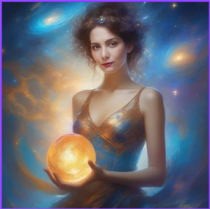
Djuna Davitashvili, a Soviet-born healer, is a renowned figure in the world of bioenergy therapy, a practice that focuses on manipulating the body’s energy field to promote healing and well-being. Known simply as Djuna, she gained widespread attention in the 1970s and 1980s for her extraordinary healing abilities, which she claimed were rooted in her deep understanding of bioenergy. Her work has left a lasting legacy in the field of alternative medicine, inspiring many to explore the potential of energy-based therapies.
Who is Djuna Davitashvili?
Born in 1949 in the Georgian SSR, Djuna came from humble beginnings. Her journey into the world of healing began at a young age when she reportedly discovered her ability to alleviate pain and heal illnesses through touch and bioenergy manipulation. Over time, Djuna developed her own methods of healing, which she described as the ability to sense and correct imbalances in a person’s biofield, the energy that surrounds and permeates the body.
Djuna’s fame grew rapidly in the Soviet Union, where she was said to have treated high-ranking officials and celebrities, including Soviet leaders such as Leonid Brezhnev. Her success stories often involved her ability to heal ailments that conventional medicine had failed to address. Although her methods were met with skepticism by the medical establishment, many patients claimed to have experienced remarkable recoveries after her treatments.
Understanding Bioenergy Therapy
Bioenergy therapy, sometimes referred to as energy healing, is based on the idea that the body has an energy field that can be influenced and manipulated to promote healing. This field is often referred to as the biofield, life force, or prana in different traditions. Bioenergy therapists like Djuna believe that illness and physical dysfunction can arise when this energy becomes blocked, depleted, or imbalanced.
The primary goals of bioenergy therapy include:
- Restoring Balance: The therapist works to restore balance to the body’s energy field, which is believed to improve overall health and well-being.
- Removing Energy Blockages: Blockages in the flow of energy are thought to cause physical and emotional problems. By removing these blockages, the body is allowed to heal naturally.
- Enhancing the Body’s Natural Healing Abilities: Bioenergy therapy aims to support and enhance the body’s innate ability to heal itself.
Djuna’s Methods and Techniques
Djuna’s approach to bioenergy therapy was a blend of intuition, touch, and focused intention. She claimed to be able to perceive the energy fields of individuals, identifying disruptions that could manifest as physical illness or emotional distress. Once she detected an imbalance, Djuna would use her hands to channel healing energy into the affected areas, realigning the energy flow and promoting recovery.
Key aspects of Djuna’s healing methods include:
- Hand-based energy work: Djuna used her hands to sense and manipulate energy. By placing her hands over the body, she could transfer healing energy to the patient, often without physical contact.
- Visualization and Intention: Visualization was central to her practice. Djuna often visualized the desired outcome, such as the removal of pain or the healing of an organ, while directing her intention toward the patient’s energy field.
- Non-invasive treatment: One of the hallmarks of Djuna’s method was its non-invasive nature. No medication or surgery was involved, making it appealing to those seeking alternative approaches to health.
- Emotional and Psychological Healing: Djuna’s bioenergy therapy also addressed emotional and psychological aspects of health, as she believed that emotional blockages could manifest as physical ailments.
Scientific Scrutiny and Criticism
While Djuna’s work attracted a devoted following, it was also met with skepticism, particularly from the scientific and medical communities. Critics argued that bioenergy therapy lacked a solid scientific basis and that many of Djuna’s successes could be attributed to the placebo effect. Furthermore, the concept of the biofield itself has been difficult to quantify using traditional scientific methods, making it challenging to validate the efficacy of such treatments through conventional medical research.
However, proponents of bioenergy therapy argue that just because something cannot be measured by modern scientific instruments does not mean it lacks validity. They point to the numerous testimonials from patients who reported significant improvements in their health after bioenergy treatments, as well as the growing interest in energy-based modalities within the broader field of complementary and alternative medicine.
Djuna’s Legacy in Bioenergy Therapy
Djuna’s work helped bring bioenergy therapy into the public consciousness, particularly in the Soviet Union and later in other parts of the world. Her fame as a healer opened the door for other practitioners of energy healing, including those working with techniques like Reiki, Therapeutic Touch, and Qigong. Although she operated within a specific cultural and political context, Djuna’s approach to healing is part of a broader tradition of energy medicine that spans many cultures and practices.
Today, bioenergy therapy continues to be explored in various forms, from the use of energy manipulation in hands-on healing techniques to more modern methods involving devices designed to interact with the body’s biofield. While Djuna’s methods were unique to her, the core principles of bioenergy healing remain influential in the world of alternative medicine.
Djuna Davitashvili was a pioneer in the field of bioenergy therapy, a healing modality that focuses on the body’s energy field as a source of health and wellness. Her intuitive approach, which involved sensing and manipulating energy to remove blockages and restore balance, gained her widespread acclaim and a devoted following. Despite the skepticism she faced from the scientific community, Djuna’s influence in alternative medicine persists, and her work continues to inspire those interested in exploring the potential of energy-based healing.
Her legacy highlights the enduring human fascination with the connection between energy, health, and the body’s ability to heal itself. Through Djuna’s life and work, bioenergy therapy has remained a relevant and compelling field within the broader spectrum of holistic health practices.