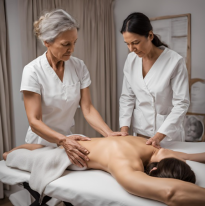
Osteopathy, a holistic form of manual therapy, is known primarily for its physical health benefits, but it also has profound spiritual implications. Developed in the late 19th century by Dr. Andrew Taylor Still, osteopathy focuses on the body’s musculoskeletal system and its relationship to overall health. Osteopaths use a range of hands-on techniques to improve mobility, relieve pain, and support the body’s natural healing processes. However, osteopathy goes beyond the physical body; its underlying principles reflect a deep connection between the mind, body, and spirit, offering a path to wellness that transcends mere physical health.
The Physical Foundations of Osteopathy
Osteopathy’s physical approach revolves around the idea that the body is a unified system where structure and function are interconnected. By treating the musculoskeletal system—bones, muscles, ligaments, and connective tissues—osteopaths aim to restore balance and harmony to the body. When the body’s structure is aligned and functioning correctly, it has a greater capacity for self-healing, allowing natural recovery from injury, illness, and stress.
Core Physical Principles of Osteopathy:
- The Body is a Unit: The body operates as a whole, and no part functions in isolation. Problems in one area can affect the whole system, which is why osteopaths examine and treat the entire body.
- Structure and Function are Interrelated: The body’s structure, including bones, muscles, and connective tissues, directly affects how it functions. Misalignments or restrictions in the musculoskeletal system can lead to dysfunctions and disease.
- The Body has Self-healing Abilities: The body is capable of healing itself when it is in balance. Osteopathic treatment supports this innate ability by improving circulation, reducing tension, and restoring mobility.
Through manual manipulation, stretching, and other techniques, osteopaths focus on removing blockages or restrictions in the body, allowing for better blood flow, lymphatic drainage, and nerve function. This creates the ideal conditions for the body to heal itself, making osteopathy an effective therapy for various conditions such as back pain, headaches, joint issues, and digestive disorders.
Osteopathy and Spirituality: Healing the Whole Being
While osteopathy is rooted in physical treatment, its holistic approach inherently recognizes the spiritual dimension of health. Dr. Still’s philosophy was grounded in the belief that the body, mind, and spirit are intimately connected, and true healing can only occur when all aspects of a person are addressed.
1. The Mind-Body Connection:
In osteopathy, the connection between the mind and body is fundamental. Physical discomfort or misalignments can often be linked to emotional or mental states. Stress, anxiety, and unresolved emotional trauma can manifest in the body as tension, pain, or illness. By addressing the physical aspects of these imbalances, osteopaths can also facilitate emotional and psychological healing.
For example, chronic back pain may not only be the result of poor posture but could also be tied to long-standing emotional stress or trauma. Osteopathic treatments that relieve physical tension often allow patients to experience emotional release, promoting healing on multiple levels.
2. Energy Flow and Vitality:
Osteopathy can be viewed as a form of energy healing, in that it seeks to restore the natural flow of energy or vitality throughout the body. In many spiritual traditions, health is seen as the harmonious flow of life energy (referred to as qi in Traditional Chinese Medicine or prana in Ayurveda). When this energy is blocked, disease and discomfort arise.
Osteopathic treatments work to remove these blockages by restoring proper alignment, releasing tension, and improving circulation. This approach aligns with the belief that when the body is structurally balanced and energy flows freely, it can achieve optimal health on physical, emotional, and spiritual levels.
3. Osteopathy as a Path to Greater Awareness:
For many individuals, osteopathic treatments can be a gateway to greater self-awareness. The subtle yet powerful manipulations performed by osteopaths encourage patients to reconnect with their bodies, becoming more mindful of sensations, postures, and habits. This heightened awareness can extend beyond physical health and lead to a deeper understanding of oneself, including emotional patterns and spiritual well-being.
The experience of receiving osteopathic care often fosters a meditative or introspective state, encouraging patients to reflect on their overall health, lifestyle, and well-being. This reflective process is deeply spiritual, as it invites individuals to consider the root causes of their discomfort and how their inner life—thoughts, emotions, and spirit—contributes to their physical state.
Osteopathy’s Spiritual Principles:
Osteopathy’s focus on treating the whole person aligns with many spiritual healing traditions. While it does not explicitly invoke religious or spiritual language, its principles can resonate with those seeking a holistic approach to health.
- Balance and Harmony: Just as many spiritual practices emphasize the importance of balance between the physical and spiritual realms, osteopathy works to create balance in the body. By restoring physical alignment, it helps individuals achieve a sense of harmony that extends into their emotional and spiritual lives.
- Self-healing and Empowerment: Osteopathy emphasizes the body’s ability to heal itself. This idea aligns with spiritual teachings that encourage individuals to tap into their inner strength and wisdom to overcome challenges. In this sense, osteopathy empowers patients to take an active role in their healing journey.
- Connection to the Greater Whole: Osteopathy’s view of the body as a unit reflects the spiritual idea of interconnectedness—how every part of our being is connected, and how our health affects not only ourselves but those around us. This holistic view resonates with spiritual philosophies that promote unity and the interdependence of mind, body, and spirit.
Osteopathy as a Tool for Spiritual Growth
Beyond its physical benefits, osteopathy can be seen as a tool for spiritual growth. By encouraging patients to reconnect with their bodies, it fosters a deeper awareness of how their physical health relates to their mental and emotional states. This self-awareness can serve as a catalyst for spiritual development, as patients begin to explore the connections between their physical experiences and their inner lives.
Many people who undergo osteopathic treatment report feeling a greater sense of peace, clarity, and emotional release, experiences that are often associated with spiritual awakening. By addressing physical pain and restrictions, osteopathy can help to clear the way for deeper healing, both emotionally and spiritually.
Osteopathy as a Physical and Spiritual Healing Practice
Osteopathy stands at the intersection of physical and spiritual healing, offering a holistic approach that treats the body as a unified system. By working on the physical structure of the body, osteopaths can help restore balance and harmony, not only relieving pain but also supporting emotional and spiritual well-being. The emphasis on self-healing, the body’s innate wisdom, and the interconnectedness of mind, body, and spirit makes osteopathy a powerful therapeutic modality for those seeking holistic health and spiritual growth.